
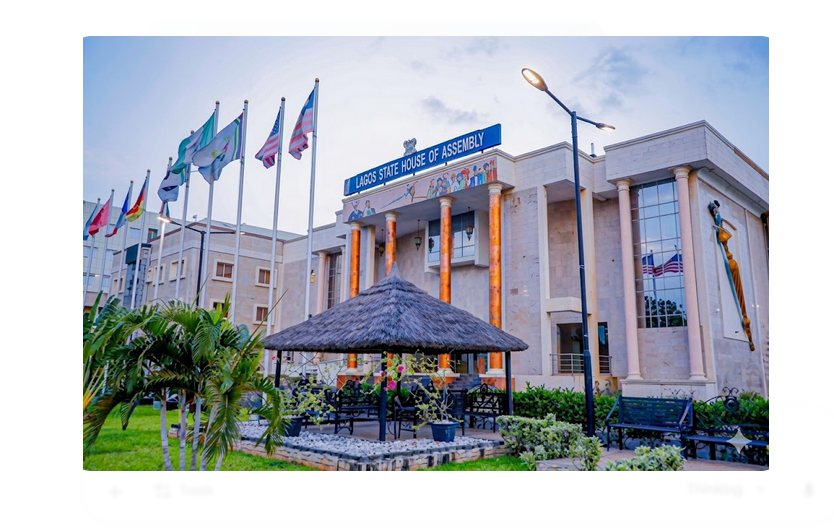
Why Lagos Wants Magistrates to Retire at 65, Not 60
Kehinde Adeleye
Why should a magistrate who is still considered competent and capable of handling the demands of the bench be forced to retire at 60?
That question is at the centre of a proposal before the Lagos State House of Assembly seeking to raise the retirement age of magistrates in the state from 60 to 65 years.
The proposal is contained in the Magistrate Courts Amendment Bill 2026, which lawmakers began considering during Monday’s plenary.
The bill is aimed at strengthening the magistracy, improving the welfare and conditions of service of judicial officers and retaining experienced magistrates within the Lagos State judiciary.
Leading the debate, Chairman of the House Committee on Judiciary, Human Rights, Public Petitions and LASIEC, Oladipo Ajomale, said the proposed amendment would help address issues surrounding the welfare and retention of magistrates.
Ajomale noted that the Lagos State Government had invested significantly in the training and professional development of magistrates, arguing that better conditions of service would help retain their experience and expertise.
He also said extending the retirement age could improve continuity in cases before the courts and reduce disruptions that may occur when magistrates handling ongoing matters retire.
Contributing to the debate, Bonu Solomon called for a broader assessment of the working conditions of magistrates and improved welfare packages for judicial officers.
He drew attention to the heavy workload faced by magistrates, noting that some reportedly preside over more than 100 cases daily.
But the Speaker of the House, Mudashiru Obasa, shifted the focus from age to competence, arguing that reaching 60 should not automatically determine when a judicial officer must leave service.
Obasa maintained that the ability, capacity and competence of a magistrate should also be considered when determining whether the officer remains fit to continue serving.
According to him, many people above 60 remain productive, and magistrates who are still capable of effectively performing their duties should be allowed to continue in service.
He, however, noted that those who can no longer cope with the demands of the position should retire.
Following the debate, the Speaker referred the bill to the House Committee on Judiciary, Human Rights, Public Petitions and LASIEC for further consideration.
The committee was given one week to scrutinise the proposed amendment and submit its report to the House.