The Real Woman Behind Mama G’s Wicked Nollywood Characters
By Kehinde Adeleye
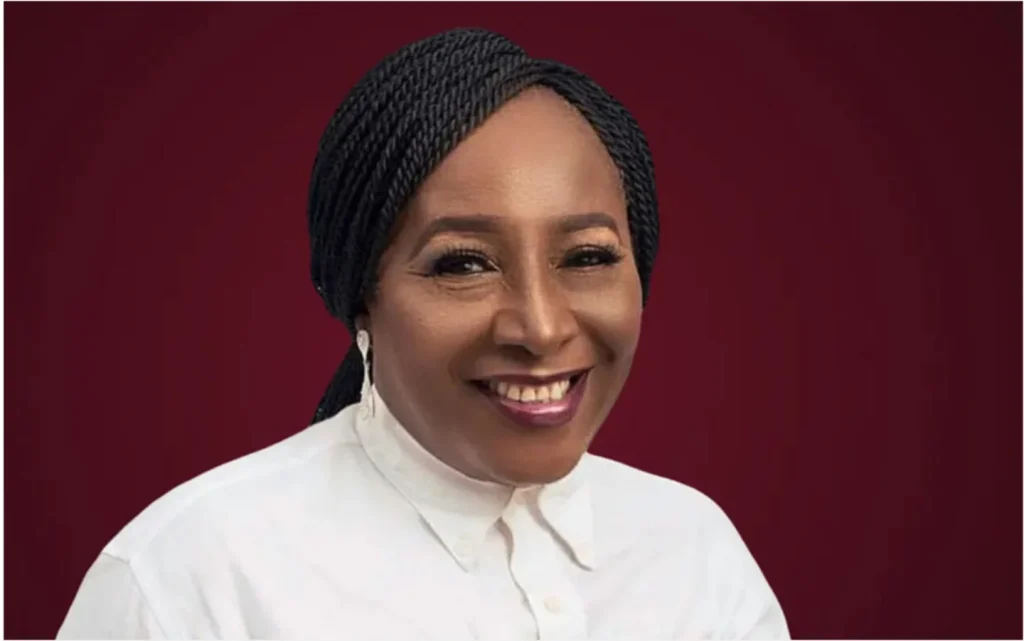
For decades, Patience Ozokwor has been one of the most recognisable faces in Nollywood, but her fame has been built around characters that are often the exact opposite of the woman she says she is in real life.
From witches and scheming mothers to cruel wives and antagonistic figures, Ozokwor, popularly known as Mama G, became synonymous with some of Nollywood’s most memorable wicked characters.
But according to the veteran actress, there is a deeper reason she repeatedly found herself playing such roles.
Ozokwor says she believes the niche was given to her by God and that she deliberately used the characters to communicate lessons about the consequences of bad behaviour.
The actress spoke during a livestreamed interview hosted by content creator Carter Efe, where she addressed the public curiosity surrounding her recurring portrayal of villains in Nollywood.
“I think God gave me that niche,” Ozokwor said.
The statement is particularly striking because the actress said she does not identify with the qualities often associated with the characters she portrays.
“I hate every ill because I don’t like injustice, war, and rancour,” she said.
For Ozokwor, playing a wicked character was therefore not about celebrating evil or encouraging bad behaviour. Instead, she saw the roles as an opportunity to make audiences understand the consequences of their choices.
“When you give me those roles, I try to bring everything into them,” she explained.
The actress said she approached such characters with the understanding that every action has consequences, urging viewers to pay attention to the eventual outcome of the behaviour portrayed on screen.
“If you are taking part in any of them, you have to be careful and know the end thereof,” she said.
Her explanation offers a different perspective on one of Nollywood’s most familiar character types.
For many viewers, the image of Mama G is inseparable from the intimidating mother-in-law, manipulative woman, witch or ruthless antagonist who stands between the protagonist and a happy ending.
Yet Ozokwor says those performances were not simply about making a character appear evil.
She described them as a form of social instruction through storytelling, with the character’s eventual fate serving as part of the message.
“Know what will happen to you if you live a terrible life, and know what you will gain if you are a good person,” she said.
That approach may help explain why some of her villainous characters became so memorable.
Rather than portraying antagonists as one-dimensional figures, Ozokwor often brought intensity and personality to the roles, making them central to the stories and giving audiences characters they could love, hate or fear.
Her performances also became part of Nollywood’s storytelling culture, where family conflicts, betrayal, greed, jealousy, traditional beliefs and moral choices frequently drive the plot.
Over time, however, the popularity of such characters also created a curious phenomenon: the actress became strongly associated with the roles she played.
For audiences who encountered her repeatedly as a wicked mother, wife or elderly antagonist, the distinction between the performer and the character could easily become blurred.
Ozokwor’s latest explanation offers a reminder that the character audiences remember is not necessarily a reflection of the actor behind it.
For her, the value of the role lies partly in what happens after the wrongdoing.
The villain may manipulate, deceive or cause conflict, but the story ultimately provides an opportunity to demonstrate the consequences of those actions.
In that sense, Mama G’s wicked characters became more than entertainment. They became cautionary figures through whom audiences could examine the consequences of greed, cruelty, injustice and other forms of wrongdoing.
And for an actress who became famous for playing some of Nollywood’s most feared women, Ozokwor’s message is surprisingly simple: the purpose was never to make evil attractive, but to show where a life built around wrongdoing could lead.