2027: Lagos APC, ADC, NDC Battle for Voters’ Support
By Emmanuel Daniji
With the 2027 Lagos governorship election approaching, political parties are stepping up their preparations, each expressing confidence in its chances of winning the state.
The ruling All Progressives Congress (APC) has activated its campaign machinery, while opposition parties, including the African Democratic Congress (ADC), Nigeria Democratic Congress (NDC), Peoples Democratic Party (PDP) and Allied Peoples Movement (APM), say they are building support among residents.
At the centre of the contest is a familiar question: can the opposition dislodge the APC, which has controlled Lagos State since 1999?
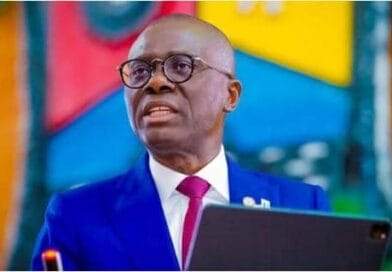
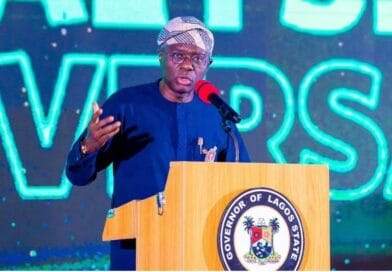
The APC has inaugurated its campaign council, with Governor Babajide Sanwo-Olu as chairman and the party’s governorship candidate, Obafemi Hamzat, as deputy chairman. Former Senator Musiliu Obanikoro was named director-general, while former governors Babatunde Fashola and Akinwunmi Ambode are among the prominent figures associated with the campaign structure.
The party plans to mobilise across the state’s senatorial districts, local government areas, wards and polling units.
An APC chieftain, Olamilekan Babalola, said the party’s established grassroots network gave it an advantage over its opponents. He argued that social media popularity alone would not win an election, insisting that effective mobilisation at the community level was what mattered.
Babalola also expressed confidence that the APC would retain Lagos, saying the party had already begun preparing for the polls.
Governor Sanwo-Olu has similarly challenged opposition parties to present policies that can compete with what the APC says it has achieved, arguing that voters should not support a change of government simply for the sake of change.
The ADC, however, insists that the ruling party’s large campaign council does not guarantee victory.
The party has presented Gbadebo Rhodes-Vivour as its governorship candidate, with Gbadamosi Babatunde Olalere as his running mate. Rhodes-Vivour contested the 2023 election under the Labour Party and is now preparing for another attempt at the governorship.
His campaign has highlighted issues affecting residents, including flooding, housing and traffic. He has also said he has learnt Yoruba and intends to use the language in engaging voters, while questioning the eligibility of APC candidate Hamzat over an issue involving alleged United States allegiance.
ADC chieftain Michael Olusola, popularly known as Mr Ola, said the party was learning from its experience in 2023 and strengthening its grassroots organisation.
He maintained that the election would be decided by voters rather than the number of people listed in a campaign council. According to him, the party is taking its message to communities and working to convince residents that another political option is possible.
The Nigeria Democratic Congress is also confident about its chances. A party chieftain who spoke in Ikeja said the NDC was focusing on community engagement and building its structures rather than seeking constant attention on social media.
The party’s governorship candidate, Funso Doherty, has publicly expressed confidence that he can become Lagos governor in 2027.
The PDP has also declared its readiness to challenge the APC. A party stakeholder, Ayomide Emmanuel, said its grassroots network remained active despite what he described as the party’s relatively low visibility online.
The PDP’s governorship candidate, Adedeji Doherty, has also expressed readiness to contest, with the party reportedly working through volunteer networks, ward mobilisation and door-to-door campaigns.
Meanwhile, the APM has begun electioneering activities under its “Atunto Eko 1.0” agenda. Its campaign organisation plans to reach voters across the state’s 20 local government areas and 37 Local Council Development Areas.
The party’s proposals include plans covering jobs, healthcare, education, infrastructure, housing and security.
Although the parties differ in their strategies, their messages share a common theme: winning Lagos will require more than publicity. They all recognise the importance of reaching voters directly and convincing them that their candidates can address the state’s challenges.
For the APC, the task is to defend its long-standing hold on Lagos. For the opposition, the challenge is to turn their confidence and mobilisation efforts into enough votes to secure victory.
As preparations continue, the real test will come when Lagos residents decide which party and candidate they believe can best lead the state.