
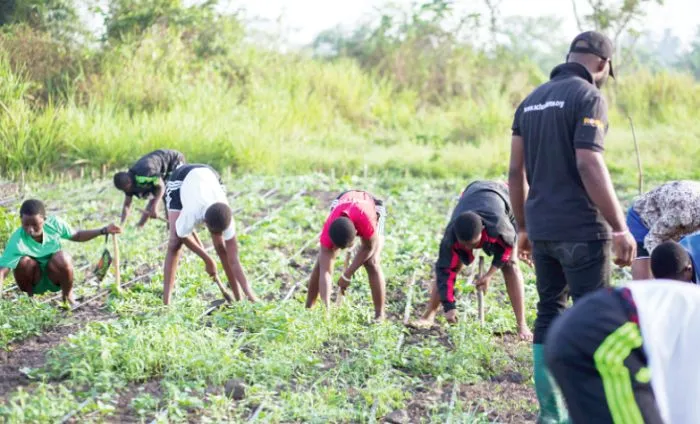
Experts Urge Youths to Embrace Agribusiness
Agricultural and development experts are intensifying calls for young people to explore agribusiness, describing it as one of the most viable sectors for job creation, wealth generation, and long-term economic stability.
The renewed advocacy comes against the backdrop of rising youth unemployment and growing pressure on governments to create sustainable, skills-based opportunities capable of absorbing Africa’s rapidly expanding young population.
Stakeholders say agribusiness today goes far beyond traditional farming, evolving into a dynamic value chain that spans food production, processing, packaging, storage, logistics, export services, and fast-growing agri-tech innovations.
They note that this transformation has opened up multiple entry points for entrepreneurship, allowing young people to participate not only as farmers but also as innovators, processors, marketers, and technology developers within the agricultural ecosystem.
Experts also point to increasing global food demand as a major opportunity for countries like Nigeria, stressing that with improved access to finance, training, and markets, young entrepreneurs could drive a new wave of agricultural prosperity across the continent.
Modern agriculture, they add, is increasingly powered by technology, with tools such as precision farming systems, smart irrigation, drone surveillance, and digital trading platforms reshaping how food is produced and distributed.
The Food and Agriculture Organization has repeatedly emphasized the importance of youth participation in agriculture, warning that global food security could face significant challenges if younger generations are not actively engaged in food production systems.
Similarly, the International Fund for Agricultural Development has consistently advocated investment in rural youth enterprises, describing them as critical to reducing poverty and strengthening rural economies in developing nations.
Despite the opportunities, practitioners say several challenges continue to discourage youth participation, including limited access to funding, difficulties in acquiring farmland, poor infrastructure, and low awareness of agribusiness potential.
However, they maintain that these barriers can be overcome through targeted government policies, stronger private sector involvement, improved financing mechanisms, and wider adoption of agricultural technology.
Stakeholders are therefore calling for expanded training programmes, improved access to credit facilities, and stronger value chain integration to help young people transition from subsistence farming into scalable, profit-driven agribusiness ventures.
They conclude that repositioning agriculture as a modern, innovation-led industry is essential not only for youth empowerment but also for ensuring food security and sustained economic growth.