Camera Captures Brazen Robbery In Abule Egba
By Sherif Salau
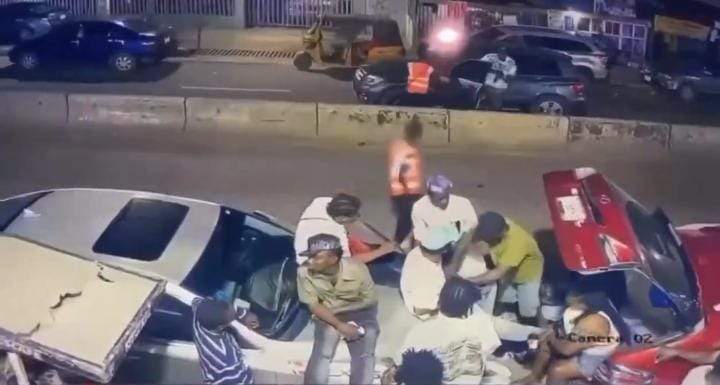
A roadside camera in Abule Egba has recorded a swift and coordinated robbery, offering a rare, unfiltered view of an attack that has become all too familiar along one of Lagos’s busiest transport routes. Footage shows several men approaching parked vehicles, overpowering victims within seconds, seizing phones and cash, and escaping in a waiting car. The entire episode lasts little more than a minute.
Abule Egba, in the Alimosho area of Lagos, has for years been a known hotspot for “one-chance” robberies and street-level theft. Criminals often pose as commercial bus drivers or conductors, board unsuspecting passengers, and rob them at gunpoint or with knives before abandoning them in quieter stretches. Others target motorists and pedestrians in daylight, exploiting congestion and the constant movement of people. The U-turn near Jubilee Bridge is among the locations residents routinely flag as high-risk.
What sets this incident apart is the quality of the visual evidence. In a city where many residents complain of feeling invisible to the authorities, the recording provides a clear, timestamped account. Similar videos have occasionally triggered public pursuits and arrests. In one earlier case, LASTMA officers intercepted a gang after bystanders chased a bus from which a victim had been thrown. Such footage has helped identify vehicles and attack patterns that might otherwise have gone undocumented.
Local traders, drivers and residents describe the problem as entrenched. Heavy traffic, poorly lit sections and limited visible policing create conditions that favour opportunistic crime. Early mornings and late evenings are regarded as particularly dangerous, especially for women and those travelling alone. Some businesses have begun installing private cameras; community vigilance groups monitor known trouble spots. Many still argue that official responses remain largely reactive.
Police and traffic agencies report periodic successes—arrests made, weapons recovered, gangs disrupted—and continue to advise the public against boarding roadside buses. Yet the frequency of attacks suggests that deeper drivers, including poverty, inadequate street-level presence and the sheer scale of daily movement through the corridor, have not been adequately tackled.
The Abule Egba video freezes a moment of violence that many Lagosians encounter as part of their daily commute. The camera has done its work. Converting that evidence into sustained safety on the roads remains the harder, unfinished task.