Tinubu Launches $3bn Social Investment Plan
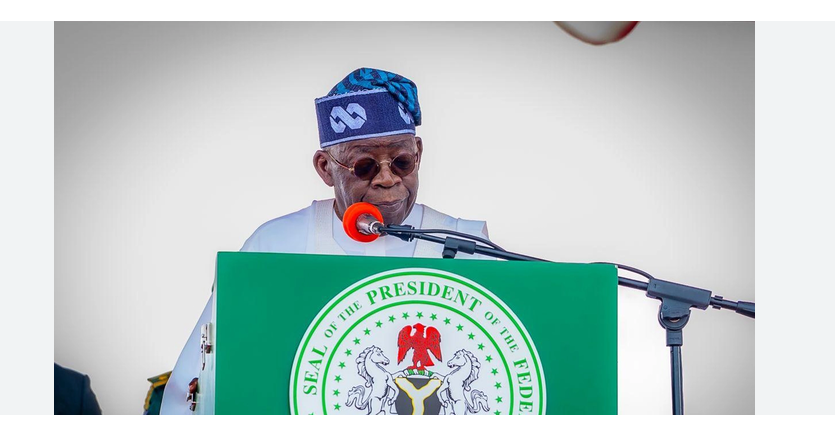
President Bola Tinubu has unveiled a $3 billion social investment and human capital development package, marking a major shift from economic stabilisation to direct interventions aimed at improving the lives of millions of Nigerians.
The ambitious initiative, launched in Abuja, brings together five flagship programmes focused on tackling poverty, expanding access to healthcare and education, strengthening social protection, and creating economic opportunities for vulnerable households. The programmes are being implemented with support from development partners, including the World Bank, as part of the Federal Government’s strategy to ensure that the benefits of its economic reforms reach ordinary Nigerians.
Addressing stakeholders at the launch, Tinubu said the success of his administration would ultimately be judged not by economic statistics alone, but by the extent to which citizens experience improved living conditions. He acknowledged that key reforms, including the removal of petrol subsidies and the unification of the foreign exchange market, imposed short-term hardships but insisted they were necessary to restore fiscal stability and lay the foundation for sustainable growth.
“The real value of these reforms lies in their ability to improve lives,” the President said, stressing that the government is now focused on converting economic gains into practical support for families, workers, students, and vulnerable communities.
Minister of Budget and Economic Planning, Senator Abubakar Bagudu, described the package as a coordinated response to Nigeria’s social and economic challenges. He said the programmes are designed to protect vulnerable groups from economic shocks, expand access to essential public services, and create pathways out of poverty through targeted investments.
According to Bagudu, the intervention reflects the government’s determination to build a more inclusive economy where growth translates into better opportunities for all Nigerians.
The social investment package comes at a time when the administration is seeking to consolidate the gains of reforms introduced since 2023. While measures such as subsidy removal, foreign exchange liberalisation, and revenue reforms have been credited by international financial institutions with improving public finances and boosting investor confidence, they have also contributed to higher living costs and inflation, placing significant pressure on households.
To address these challenges, the new programmes will prioritise poverty alleviation, healthcare delivery, education financing, social safety nets, and economic inclusion, with the government pledging that resources will be directed towards those most affected by the country’s economic transition.
The latest intervention complements other flagship initiatives already launched by the administration, including the HOPE for Quality Basic Education (HOPE-EDU) programme—a $552 million education project expected to improve learning outcomes for about 29 million pupils, strengthen teaching capacity for more than 500,000 teachers, and support approximately 65,000 public schools across Nigeria.
Policy analysts have welcomed the scale of the investment but maintain that its impact will depend on transparent implementation, efficient coordination among government agencies, and robust monitoring to ensure that funds reach intended beneficiaries.
With the new package, the Tinubu administration is signalling that the next phase of its economic agenda is not only about stabilising the economy but also about ensuring that the dividends of reform are reflected in the daily lives of Nigerians through improved welfare, expanded opportunities, and stronger social protection.