FG to Digitise Mining, Track Operators
The Federal Government has announced plans to fully digitise Nigeria’s mining sector as part of efforts to improve transparency, strengthen regulatory oversight, and curb illegal mining activities across the country.
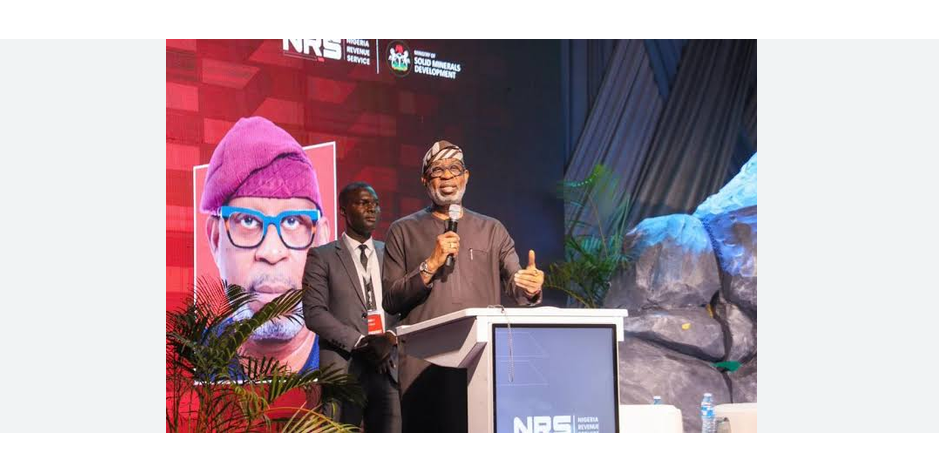
Minister of Solid Minerals Development, Dr. Dele Alake, said the initiative will introduce a comprehensive digital system capable of tracking mining operators, monitoring mineral production, and improving the collection of government revenue from the sector.
According to the minister, the digital transformation forms a key pillar of the Federal Government’s ongoing reforms aimed at repositioning the solid minerals industry as a major contributor to Nigeria’s economic diversification agenda.
Alake explained that the new platform will integrate mining licences, production records, royalty payments, and compliance monitoring into a single digital ecosystem, enabling regulators to oversee activities in real time while reducing bureaucratic bottlenecks.
He noted that the system is expected to eliminate manual processes that have long created opportunities for leakages, underreporting, and illegal operations.
The minister said digitisation would also make it easier for investors to access information, obtain permits, and comply with regulatory requirements, thereby improving the ease of doing business in Nigeria’s mining industry.
The initiative complements other reforms introduced by the Ministry of Solid Minerals Development, including the deployment of the Mining Marshals, a specialised security outfit established to combat illegal mining and enforce compliance with mining laws. Since their inauguration in 2024, the Mining Marshals have shut down numerous illegal mining sites, arrested suspects, and recovered illegally mined minerals in several states.
The government is also advancing plans to establish a Mining Police unit and has intensified the use of satellite technology and geospatial mapping to identify illegal mining hotspots and monitor licensed operations.
Officials say digitising the sector will improve the accuracy of geological data, enhance environmental compliance, and provide policymakers with reliable information for planning and resource management.
The reforms come as the Federal Government seeks to increase the mining sector’s contribution to the nation’s Gross Domestic Product (GDP), which remains below one per cent despite Nigeria’s vast deposits of gold, lithium, limestone, tin, iron ore, lead, zinc, and other strategic minerals.
In recent months, the ministry has secured several investment commitments in lithium processing, gold value addition, and mineral exploration, while introducing policies that encourage local processing instead of the export of raw minerals.
Industry stakeholders have welcomed the digitalisation initiative, describing it as a significant step towards improving governance, attracting responsible investment, and ensuring that Nigeria derives greater economic value from its mineral resources.
The Federal Government says the digital platform will be rolled out in phases, with the ultimate goal of creating a transparent, technology-driven mining sector capable of supporting economic growth, job creation, and increased revenue generation.