Opebi-Ojota Link Bridge Nears Completion, Raising Hopes Of Relief For Lagos Commuters
By Sherif Salau
Commuters and residents around Opebi, Allen, Ikeja, Maryland, Mende and Ojota are looking forward to possible relief from traffic congestion as the Opebi-Mende-Ojota Link Bridge project advances towards completion.
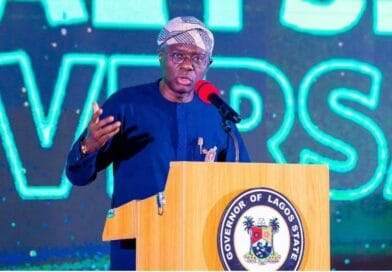
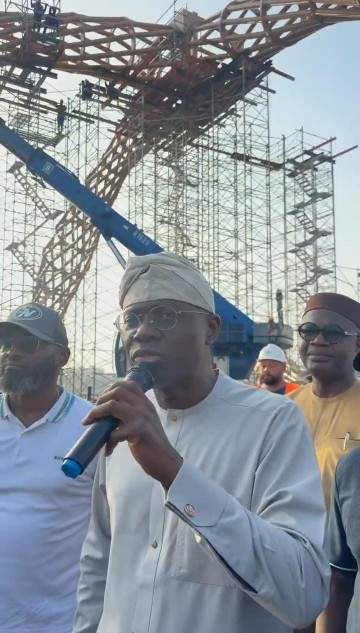
Today, Governor Babajide Sanwo-Olu inspected the project and confirmed that the distinctive steel superstructure is approximately 80 per cent complete. The remaining work, he said, centres on installing the final major component of an ambitious architectural feature that rises up to 25 metres and incorporates more than 300 tonnes of steel. The design draws inspiration from traditional cane weaving associated with the area’s cultural heritage. Once that element is in place, LED lighting and final landscaping will follow. The governor assured residents the bridge would open to traffic by Christmas.
The 5.04-kilometre link was conceived to create a direct alternative route connecting Opebi, Allen and Toyin areas more efficiently to Ojota, Maryland and Ikeja. For motorists, commercial drivers and residents who have long navigated the congested surrounding roads, the promise is straightforward: shorter travel times, fewer idling engines and a measure of predictability returned to daily life.
That promise has been a long time coming. The bridge was inaugurated earlier in the year during a high-profile ceremony, yet it remained closed to regular traffic while finishing works continued. Earlier target dates slipped as engineers addressed the technical demands of the elevated design and the challenging terrain. Residents grew familiar with the sight of the incomplete structure—close enough to see, still too far to use.
Yet the latest inspection has shifted the mood. Commuters who spoke along the corridor this weekend described a mixture of relief and residual caution. A trader who moves goods between Ojota and Ikeja said the difference could be significant once the route opens. “Every extra hour on the road is money lost and energy wasted. If this bridge works the way they say, it will change how we plan our days.”
A commercial bus driver who has worked the Allen–Ojota route for more than a decade was more measured. “We have heard dates before. This time the structure looks almost ready. We will believe it fully when the barriers come down and the first vehicles pass.”
Beyond the practical benefits of reduced congestion, the project carries a secondary ambition. Officials describe the completed bridge as both functional infrastructure and a local landmark—its steel canopy and coloured lighting intended to give the area a distinctive visual identity. Landscaping and tree planting are already under way at the base of the structure.
For the people who live and work in the shadow of the bridge, the architectural flourishes matter less than the simple ability to move. Lagos traffic exacts a quiet, cumulative toll: delayed appointments, higher fuel costs, frayed tempers and hours that might otherwise have been spent with family or at rest. A reliable alternative route will not solve every congestion problem in the city, but it will ease one of its most persistent pressure points.
As contractors push to meet the Christmas target, the expectation among residents is clear. They are not asking for perfection. They are asking for a road that works—open, safe and available. After years of waiting, the final stretch of construction is being watched more closely than any previous phase. For once, the end of the delay appears visible on the horizon.