Alausa Inaugurates Africa’s First Robotic Surgery Academy, Pledges Scholarships for Trainees
Alausa Inaugurates Africa’s First Robotic Surgery Academy, Pledges Scholarships for Trainees
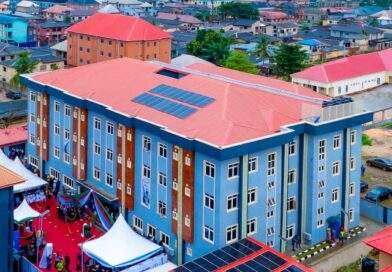
The Federal Government has inaugurated the Redeemer’s Health Village (RHV) RoboMed Robotics Academy in Ogun State, a specialised centre designed to train Nigerian surgeons and other healthcare professionals in robotic-assisted surgery and advanced medical technology.
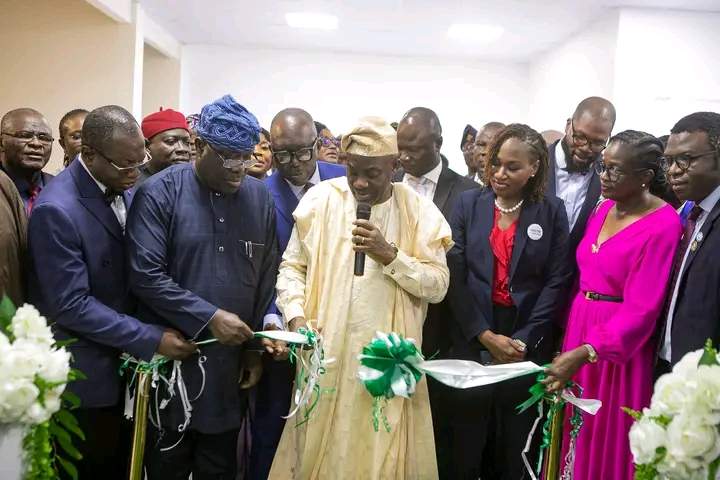
The Minister of Education, Dr. Maruf Olatunji Alausa, performed the inauguration on Thursday, October 22, 2026, at Redeemer’s Health Village, Redemption City, along the Lagos-Ibadan Expressway.
The initiative, established in partnership with RoboMed Global, the National Postgraduate Medical College of Nigeria (NPMCN) and Redeemer’s University, is expected to strengthen Nigeria’s capacity for advanced surgical training and reduce the need for medical professionals to travel abroad to acquire specialised skills.
The academy has been described by its promoters as Africa’s first dedicated robotic surgery training academy, marking a significant development in medical education, science, technology, engineering, mathematics and medicine (STEMM).
Speaking at the inauguration, Alausa said the facility would provide Nigerian medical professionals with opportunities to acquire emerging surgical skills locally while strengthening the country’s healthcare workforce.
He stressed that investments in modern medical equipment must be accompanied by adequate professional training, practical experience and strict adherence to patient safety standards.
According to the minister, the initiative demonstrates the importance of collaboration among government institutions, private healthcare providers, universities and professional medical bodies in expanding access to specialised education.
FG Invests Over ₦250bn in Medical Education
Alausa disclosed that the Federal Government had invested more than ₦250 billion in medical education over the preceding two years to strengthen medical institutions and improve the quality of professional training.
He said the investment covered the provision of medical simulation laboratories and the rehabilitation of facilities, including hostels, across more than 24 medical schools in the country.
The minister also highlighted plans to expand medical education capacity in response to Nigeria’s growing population and healthcare needs.
He said the government was working towards increasing annual medical programme enrolment to 20,000 within the next two years, while nursing school enrolment had reached 150,000 annually.
Alausa called for greater participation by the private sector and Nigerian medical professionals in the diaspora to complement government efforts in developing specialist expertise.
He also urged universities, teaching hospitals and professional institutions to establish stronger partnerships that would promote research, practical learning, faculty development and exposure to emerging medical technologies.
TETFund to Sponsor Qualified Professionals
In a significant component of the initiative, the minister announced that qualified medical professionals would receive sponsorship through the Tertiary Education Trust Fund (TETFund) to undertake specialised training at the academy.
The centre is expected to become the 29th institution approved under TETFund’s local scholarship scheme, according to reports on the inauguration.
The sponsorship is intended to make advanced training more accessible to eligible professionals and strengthen Nigeria’s capacity to develop highly skilled medical personnel.
Alausa also highlighted the Federal Ministry of Education’s Bridging Research, Innovation, Development and Global Engagement (BRIDGE) programme, which seeks to encourage Nigerian professionals abroad to contribute to national development through teaching, research, mentorship and institutional capacity building.
He encouraged Nigerian surgeons, researchers and medical educators in the diaspora to support local institutions through knowledge exchange and collaborative programmes.
Academy Targets 400 Specialists in Two Years
Earlier, the Chief Executive Officer of Redeemer’s Health Village, Dr. Adedamola Dada, said the academy was established to develop a sustainable workforce capable of supporting robotic surgery and other advanced healthcare services.
Dada disclosed that the centre aims to train 400 robotic surgery specialists and surgeons within two years.
The programmes will focus on urology, general surgery and gynaecology, while also providing specialised training for operating theatre personnel, biomedical engineers, nurses and hospital administrators.
He said the academy had acquired two robotic surgical systems valued at approximately $4 million to support training and clinical procedures.
According to him, the initiative would also develop local expertise in robotics, artificial intelligence, automation, biomedical engineering and robotic-assisted healthcare.
Dada said the academy was designed to bridge the gap between access to advanced medical technology and the availability of professionals qualified to operate and maintain such equipment.
He added that the programme could improve access to advanced minimally invasive surgical care in Nigeria and strengthen the country’s position in healthcare innovation.
Four Institutions Sign Training Agreement
The inauguration featured the signing of a memorandum of understanding involving Redeemer’s Health Village, RoboMed Global, the National Postgraduate Medical College of Nigeria and Redeemer’s University.
Under the arrangement, the NPMCN will oversee the postgraduate fellowship diploma programme and certify surgeons who successfully complete the required training.
Redeemer’s University will lead specialised training for nursing teams, biomedical engineers and other technical personnel needed to support robotic surgical systems.
The partnership is expected to provide an organised framework for specialist training, professional assessment and the development of the technical workforce required for advanced surgical practice.
The Ogun State Commissioner for Health, Dr. Tomi Coker, witnessed the signing of the agreement.
The President and Chief Executive Officer of RoboMed Global, Professor Obi Davies-Ekwenna, explained that the training model would combine simulation exercises, assessment of individual experience, supervised clinical practice and carefully selected patients.
He said the programme would also adopt safety principles associated with aviation, particularly teamwork, communication and coordination among professionals responsible for complex procedures.
Davies-Ekwenna emphasised that robotic surgery training must extend beyond surgeons to include the entire clinical and technical team involved in patient care.
Demonstrations Showcase Robotic Technology
Participants at the inauguration toured the academy’s facilities and observed demonstrations of robotic surgery and telesurgery technology.
During the event, the minister participated in a telesurgery simulation by operating the surgeon console under remote guidance from a RoboMed biomedical engineer, Grace Isaac, in Abuja.
The demonstration was conducted as a training exercise without a patient undergoing surgery.
The presentation highlighted the potential of robotic systems and remote collaboration to support specialist training and expand access to advanced surgical techniques.
However, the successful adoption of the technology will depend on the availability of adequately trained professionals, appropriate clinical oversight, reliable infrastructure and strict compliance with patient safety requirements.
Stakeholders Highlight Medical Innovation
The Vice-Chancellor of Redeemer’s University, Professor Shadrach Akindele, described the academy as an important development in medical education and technology-driven healthcare.
He called for rigorous training, ethical medical practice, research and international collaboration to support the responsible use of robotic surgical technology.
The President of the National Postgraduate Medical College of Nigeria, Dr. Anthony Ikefuna, also highlighted the importance of expanding specialist training and strengthening digital healthcare.
Stakeholders said the initiative could help reduce medical tourism by enabling Nigerian professionals to acquire advanced surgical skills within the country.
Redeemer’s Health Village, a faith-based tertiary medical facility established by the Redeemed Christian Church of God, is expected to play a central role in the development of the academy and its clinical training programmes.
The centre’s establishment reflects growing efforts to connect medical education with technological innovation and specialised healthcare delivery.
With its target of training 400 specialists within two years, the academy is expected to contribute to the development of local expertise in robotic-assisted surgery.
Its long-term impact will depend on the quality of its training, professional accreditation, the availability of sustained funding and the ability of its graduates to translate their skills into safe and effective patient care.
The first intake is expected to begin training in January 2027, according to reports on the inauguration.