
Ikotun Fake Drug Factory Discovery Sparks Public Health Fears In Lagos
By Sherif Salau
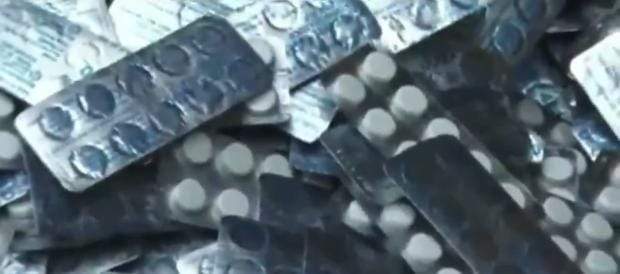
A suspected illegal drug manufacturing facility uncovered in Ikotun has sparked fresh concerns over the safety of medicines in Lagos. The raid on an uncompleted building at No. 2 Okunnenye Street exposed a secret factory producing fake drugs on an industrial scale, complete with mixing machines, packaging equipment and forged pharmaceutical labels.
The operation, carried out by the Inspector-General of Police’s Intelligence Response Team, led to the arrest of Emeka Madu, also known as Cabara, identified as the owner of the facility, along with three others — Eze Young, Chijioke Umunna and Kingsley Obilo. Officers recovered cartons of suspected fake drugs, including anti-malaria tablets and other common medicines, large quantities of unprocessed chemicals, and machinery designed for tableting and packaging.
Police described the site as a multi-million-naira operation that had been supplying products to different parts of the country. The suspects were caught in the act of production. Force spokesmen at the time warned that the circulation of such falsified medicines could have caused deaths, health complications and long-term disabilities among unsuspecting users.
Although the discovery dates back several years, videos and reports of the raid have recirculated periodically, often presented as recent events. Each time the footage resurfaces, it reignites public concern about the persistence of illegal drug manufacturing in Lagos and the wider risks to public health.
Counterfeit and substandard medicines remain a serious challenge in Nigeria. When patients take fake anti-malaria drugs or antibiotics believing them to be genuine, treatment fails, resistance grows and preventable illnesses become life-threatening. Regulators such as NAFDAC continue to conduct raids on open drug markets and illegal production sites, yet the problem endures in parts of the supply chain.
The Ikotun case illustrates how easily sophisticated-looking operations can hide in plain sight within residential areas. It also underscores the need for sustained vigilance by security agencies, tighter control of pharmaceutical raw materials, and greater public awareness so that consumers can recognise the difference between genuine and falsified products.
For residents of Lagos and beyond, the lesson from that uncompleted building in Ikotun remains clear: the quiet production of fake drugs can have loud and lasting consequences for public health.