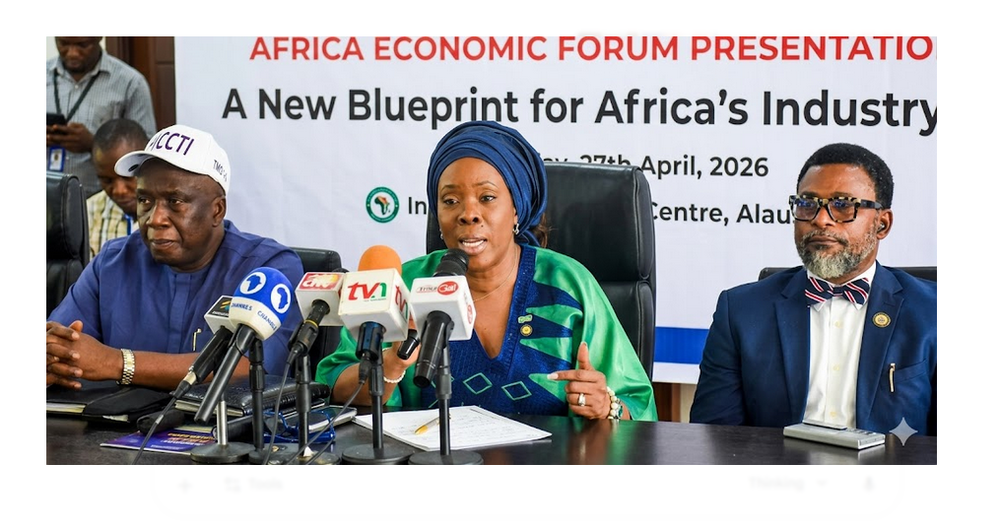
Lagos Launches 2025–2030 Industrial Policy for Unified Growth
The Lagos State Government has set the stage for a new era of economic expansion with the rollout of its 2025–2030 Industrial Policy, an ambitious blueprint designed to reposition Lagos as a dominant force in Africa’s manufacturing and industrial landscape.
Ahead of its official launch, the policy is already being framed as a game-changing framework, one that moves beyond fragmented initiatives to establish a unified, results-driven system for industrial development. Commissioner for Commerce, Trade and Investment, Folashade Ambrose-Medebem, described the strategy as the outcome of deep stakeholder collaboration and rigorous data analysis, crafted to deliver sustainable, long-term growth.
At the heart of the plan is a coordinated governance model that aligns public institutions, private enterprises, and investors under a single industrial agenda. By replacing policy disjointedness with a streamlined execution structure, the state aims to accelerate productivity, attract investment, and unlock new economic value.
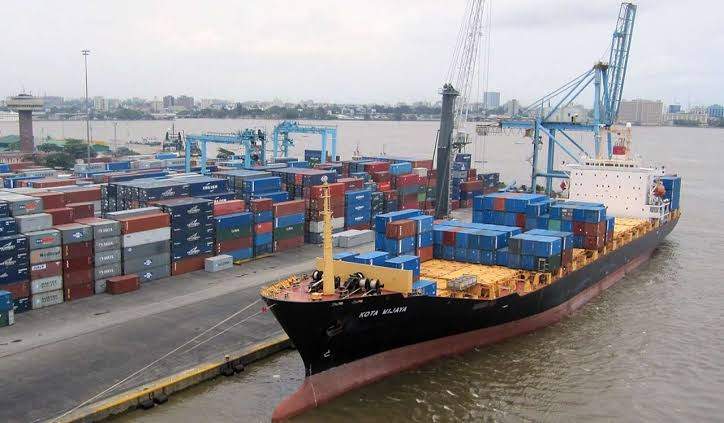
The roadmap spotlights high-impact sectors such as agro-processing, manufacturing, digital trade, healthcare, the creative industry, and the blue economy, industries seen as critical to job creation, export growth, and reducing import dependence.
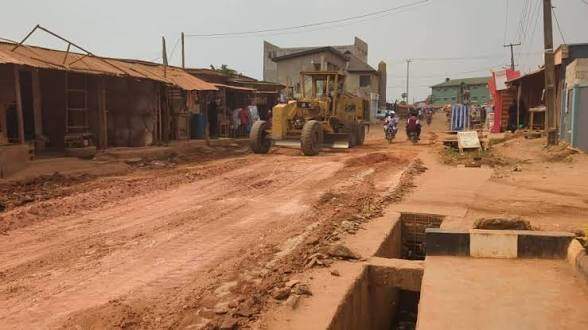
Crucially, the policy does not shy away from structural challenges. It confronts persistent barriers including infrastructure deficits, regulatory bottlenecks, and limited financing options. In response, the government is proposing targeted solutions ranging from strengthened industrial clusters and improved access to credit for small businesses to reforms that enhance the ease of doing business.
Innovation and human capital development also feature prominently. The state plans to cultivate a knowledge-driven industrial ecosystem by fostering partnerships with academic institutions and the private sector, while promoting technology adoption across key industries.
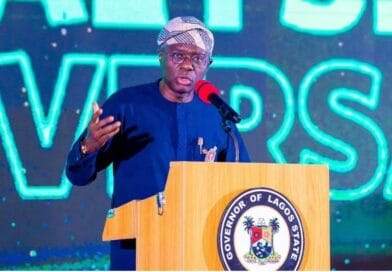
Aligned with the development vision of Governor Babajide Sanwo-Olu, the policy emphasises continuity, ensuring that industrial growth strategies remain consistent and effective beyond political transitions.
Early implementation signals are already visible. Initiatives such as a ₦10 billion MSME funding programme and the expansion of infrastructure projects like the Imota Light Industrial Park are expected to provide immediate support for small and medium-scale enterprises.
As Lagos prepares for the formal unveiling, the industrial policy is being positioned not just as a strategic document, but as a working engine for transformation—one designed to drive coordinated growth and cement the state’s status as Africa’s industrial powerhouse.