Stakeholders Warn of CNG, EV Safety Risks
Nigeria’s drive to move motorists towards Compressed Natural Gas (CNG) and Electric Vehicles (EVs) is gathering pace, but industry stakeholders say major gaps in infrastructure, financing, technical skills and policy consistency could slow the transition.
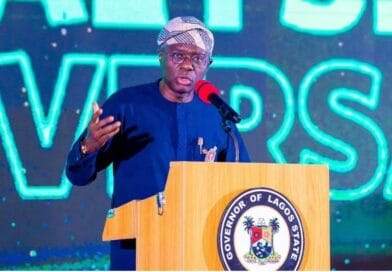
The concerns were raised during the 2026 West Africa Automotive Show in Lagos, where automotive industry leaders examined whether Nigeria and other West African countries are adequately prepared for cleaner transportation. Stakeholders identified affordability, high borrowing costs, limited infrastructure and a shortage of specialised skills as some of the biggest obstacles to mass adoption.
The Federal Government has made alternative-fuel transportation a key part of its strategy to reduce dependence on petrol and lower mobility costs. The Presidential Initiative on CNG and Electric Vehicles has expanded conversion programmes and infrastructure while promoting investment across the emerging clean-transport ecosystem.
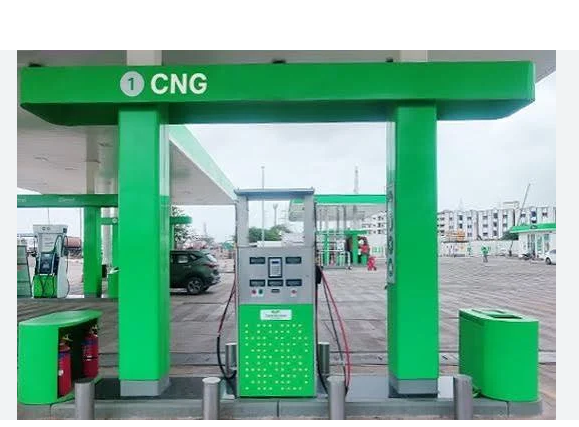
According to the initiative, more than 120,000 vehicles have been converted to CNG, with over 400 certified conversion centres and more than 7,700 technicians trained. The government also says more than 90 CNG refuelling stations are now operational across 23 states.
Despite the progress, stakeholders argue that infrastructure must grow much faster if motorists are to confidently switch from petrol-powered vehicles. Chinedu Oguegbu, CEO of OMAA, said Nigeria has more than 200 trillion cubic feet of proven natural gas reserves but still does not have enough CNG stations to meet potential demand.
The infrastructure challenge is particularly important because motorists need dependable access to fuel after converting their vehicles. Industry reports have also indicated that CNG adoption remains relatively low compared with Nigeria’s overall vehicle population, with inadequate infrastructure and operational bottlenecks continuing to discourage potential users.
Safety is another critical part of the transition. CNG conversions require appropriate equipment, proper installation, inspection and regular maintenance. The government says kits deployed through its programme are certified by the Standards Organisation of Nigeria and installed at accredited centres by trained technicians.
The emphasis on technical capacity has already triggered training programmes in different parts of the country. In Jigawa State, for instance, 120 artisans were trained in CNG conversion, maintenance and safety ahead of plans to establish additional conversion centres.
EVs bring a different set of requirements. As electric mobility expands, Nigeria will need technicians trained to work safely on high-voltage systems, alongside reliable charging infrastructure and stronger knowledge of battery maintenance and thermal management.
The 2026 West Africa Automotive Show included a dedicated workshop on EV battery, tyre and thermal systems, highlighting the importance of proper maintenance and temperature control in ensuring vehicle safety, performance and battery life.
Financing remains another major hurdle. Olayinka Rufai, a strategic project adviser to the Presidential CNG Initiative, said high interest rates could make it difficult for transport and logistics operators to finance fleet conversions and infrastructure investments. Stakeholders noted that borrowing costs of between 20 and 30 per cent remain a serious constraint.
Affordability is equally important for ordinary motorists. Femi Eguaikhide of the Lagos Chamber of Commerce and Industry said expensive vehicle financing has pushed many Nigerians towards imported used cars, making the widespread adoption of newer CNG and EV models more difficult.
Industry stakeholders are therefore calling for stronger financing mechanisms, consistent government policies and expanded technical training to support the transition.
The Federal Government has continued to widen the programme beyond Lagos and Abuja. In May 2026, it activated a Northern CNG and EV corridor in Kano, deploying CNG vehicles, electric vehicles and CNG-powered tricycles as part of efforts to extend cleaner mobility to other regions.
For Nigeria, the transition offers significant opportunities, from reducing transport costs and petrol dependence to creating new businesses and jobs in vehicle conversion, charging infrastructure, maintenance, manufacturing and energy services.
But stakeholders insist that the country must match ambition with preparation. Without reliable infrastructure, affordable financing, skilled technicians and strict safety standards, the shift to CNG and EVs could struggle to move beyond government programmes and early adopters.
Nigeria’s cleaner-transport revolution is clearly underway, but industry players say its success will depend on whether the country can build the infrastructure, skills and financial systems needed to make the transition safe, affordable and sustainable for everyday motorists.