LASHMA-AID saves 110 lives in Six Months
as poor residents make up most beneficiaries
By Emmanuel Daniji
For a family caught in a medical emergency, the difference between getting treatment immediately and spending hours trying to raise money can be the difference between life and death.
In Lagos, a state emergency healthcare intervention has attended to 132 life-threatening cases in its first six months, with 110 patients surviving and 22 deaths recorded, according to figures released by the Lagos State Health Management Agency, LASHMA.
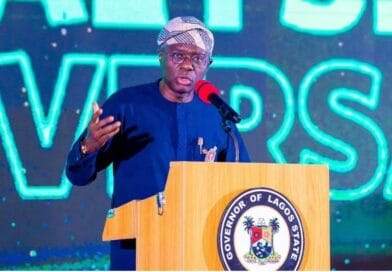
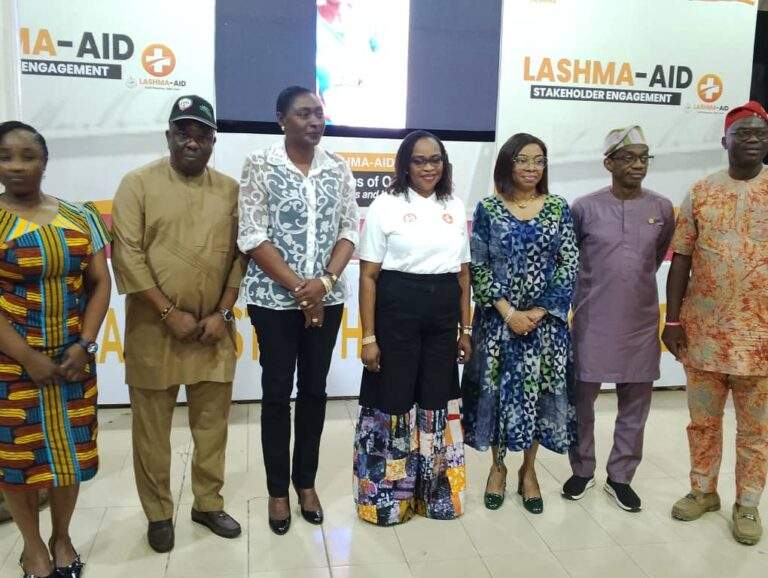
The figures were disclosed by LASHMA Permanent Secretary, Dr Emmanuella Zamba, during a multi-stakeholders’ engagement on the LASHMA Assistance-In-Distress, LASHMA-AID, programme in Alausa, Ikeja.
The programme commenced in March 2026 to provide emergency healthcare support, particularly for residents who may be unable to immediately pay for treatment during life-threatening situations.
What makes the latest figures particularly significant is the profile of the people who benefited.
According to Zamba, 106 of the 132 beneficiaries were vulnerable residents whose medical expenses were covered under the intervention. Another 23 were enrolled under ILERA EKO, while three were beneficiaries of the Eko Social Health Alliance, EKOSHA.
LASHMA also said insurance premiums were paid for the vulnerable beneficiaries and their immediate family members.
For many low-income families, a serious accident or medical emergency can quickly become a financial crisis. Emergency treatment often cannot wait until relatives have found enough money to pay hospital bills, making access to immediate intervention crucial.
Zamba said the high number of vulnerable beneficiaries raised questions about what would have happened to residents who could not afford health insurance or the cost of emergency treatment.
She said the programme was introduced against the backdrop of concerns over deaths associated with delays in accessing emergency medical care.
Under the arrangement, healthcare facilities are expected to stabilise patients facing life-threatening emergencies without first demanding proof of health insurance enrolment.
The intervention has also involved emergency transportation. LASHMA said 76 emergency transports were carried out by the Lagos State Ambulance Service Agency, LASASA, alongside four private ambulance operators. Ikeja, Badagry, Ogba and Lagos Island recorded the highest number of emergency pickups.
Other cases were handled through designated LASHMA-AID focal persons in healthcare facilities, Good Samaritans and the programme’s emergency line.
However, the six-month figures also show that emergency intervention does not always guarantee survival.
Twenty-two people died despite receiving assistance, with Zamba attributing the deaths to the severity of injuries sustained by the victims.
LASHMA said the figures underline the need for faster emergency response and closer cooperation between hospitals, ambulance operators, social welfare officers and other stakeholders.
Zamba said the number of cases could rise as more Lagos residents become aware of LASHMA-AID.
She urged stakeholders to identify operational gaps and improve coordination so that residents in distress can receive help as quickly as possible.
The programme has therefore placed emergency healthcare at the centre of a wider conversation about affordability, health insurance and access to treatment in Lagos.
While 110 lives have been recorded as saved in the first six months, the large proportion of vulnerable beneficiaries also points to the financial difficulties many residents face when emergencies strike.
For families who have little money to spare, an emergency medical bill can arrive without warning. LASHMA-AID is intended to ensure that, at least in life-threatening situations, lack of immediate payment does not become the first barrier between a patient and urgent care.
The next challenge will be sustaining and expanding that emergency support as more residents become aware of the programme and seek assistance.