Lagos Set for First State-Licensed IPPs in 2026
The move signals a transition from policy ambition to real-world execution, following reforms introduced under the Electricity Act 2023, which empowers states to generate, regulate, and distribute electricity within their jurisdictions.
Officials say the incoming IPPs will operate under Lagos’ evolving electricity market structure, positioning the state at the forefront of Nigeria’s shift toward decentralised energy systems. By building its own generation capacity, Lagos aims to reduce dependence on the overstretched national grid and deliver more reliable power to homes and businesses.
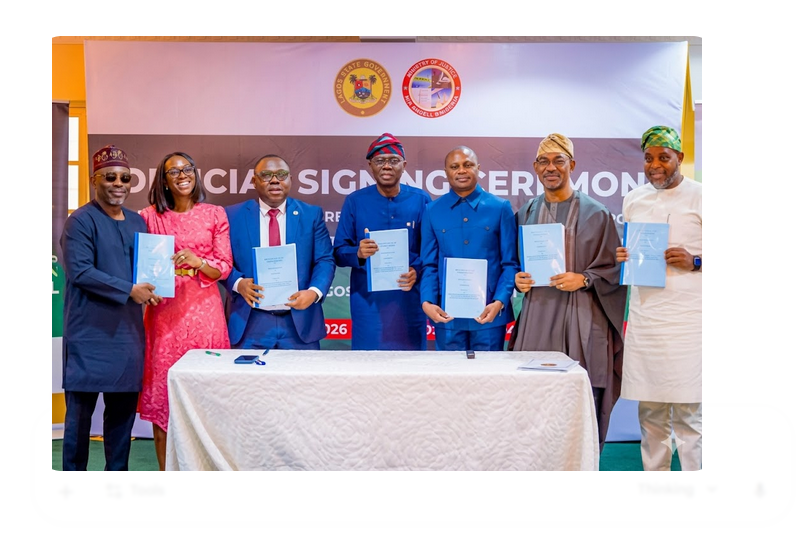
As part of the rollout, the state has secured power purchase agreements with key developers, including Fenchurch Power Limited, Mainland Power Limited, and Viathan Engineering Limited. Initial plans target generation capacity in the range of 200 to 400 megawatts, with a focus on scaling output as demand grows.
The projects are being strategically deployed to serve industrial hubs and critical infrastructure corridors—areas where stable electricity supply is essential for economic productivity. This targeted approach reflects a broader shift toward demand-driven energy planning within the state.
Lagos’ progress follows its transition in 2025 to assume greater control over its electricity market, making it a pioneer in Nigeria’s new decentralised regulatory framework. The state’s efforts are now being closely watched as a potential model for other regions seeking to take charge of their power supply.
While hurdles such as financing, gas availability, and infrastructure gaps remain, the initiative represents a bold step toward energy independence. If successfully implemented, Lagos could redefine electricity delivery in Nigeria, moving the system away from centralised control to more agile, state-led solutions.