Lagos Plans 24-Hour Power Without Banding
The Lagos State Government is pushing for a major transformation of Nigeria’s electricity structure, unveiling plans to eliminate the controversial electricity band classification system in a bold bid to achieve round-the-clock power supply across the state.
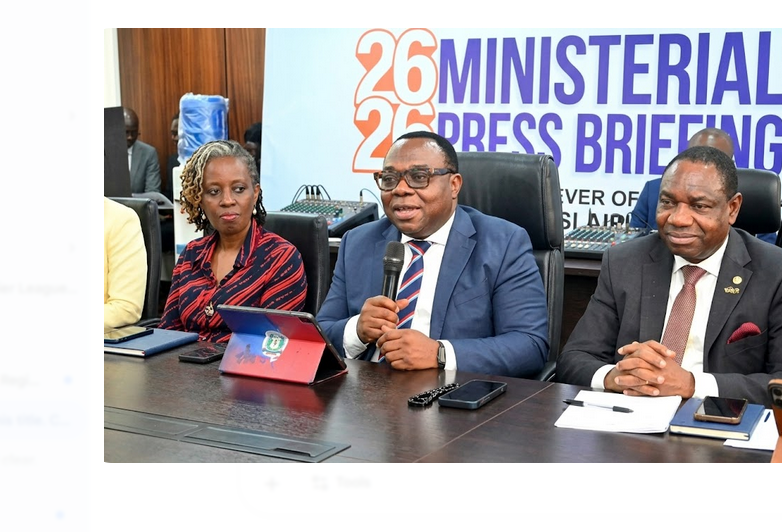
The move, announced by the Commissioner for Energy and Mineral Resources, Biodun Ogunleye, signals Lagos’ ambition to move beyond the current Band A to E model introduced by the Nigerian Electricity Regulatory Commission (NERC), where electricity access and tariffs are tied to the number of supply hours consumers receive daily.
Speaking during a ministerial briefing in Alausa, Ikeja, Ogunleye said the state’s long-term vision is to create a system where electricity access is no longer determined by band categories but by reliable and uninterrupted supply for residents and businesses alike.
According to the commissioner, Lagos is positioning itself for a future powered by stable electricity capable of sustaining economic growth, industrial activity, and the demands of a 24-hour economy.
Under the existing framework, Band A customers are expected to enjoy a minimum of 20 hours of electricity daily while paying significantly higher tariffs, while customers in Bands B to E receive fewer hours of supply at varying rates. The system has faced heavy criticism nationwide, particularly in Lagos, where many residents complain of paying premium tariffs despite inconsistent electricity delivery.
For businesses already struggling with rising operational costs and dependence on generators, the band classification system has become a growing source of frustration, with calls mounting for broader power reforms.
To back its ambitious electricity agenda, the Lagos government says it is accelerating implementation of the Lagos State Electricity Law 2024 while strengthening the Lagos State Electricity Regulatory Commission to oversee a more competitive and investor-friendly power market.
The state is also investing aggressively in infrastructure upgrades and renewable energy projects. Officials revealed that thousands of solar-powered smart streetlights have been installed across major roads, while public institutions including hospitals and schools are receiving transformer improvements and battery-supported energy systems.
Ogunleye maintained that uninterrupted electricity in Lagos is achievable, pointing to previous periods of near-stable supply and insisting that stronger regulation, private-sector collaboration, and sustained investment can significantly improve the city’s power landscape.
Although the government has yet to announce a timeline for scrapping the band system, the proposal has already sparked widespread debate among consumers and energy experts, many of whom see the move as both ambitious and politically significant amid Nigeria’s lingering nationwide electricity challenges.
For millions of Lagos residents, however, the promise of ending electricity band classifications represents something bigger than policy reform; it reflects growing hopes for a city where a stable power supply becomes a basic reality rather than a privilege tied to tariff categories.