LAWMA Begins Major Cleanup at Maiyegun-Lekki Beach
The Lagos Waste Management Authority (LAWMA) has launched an aggressive cleanup and clearance operation at Maiyegun-Lekki Beach.
The state government steps up efforts to reclaim the coastline from illegal occupation, mounting waste pollution, and environmental abuse.
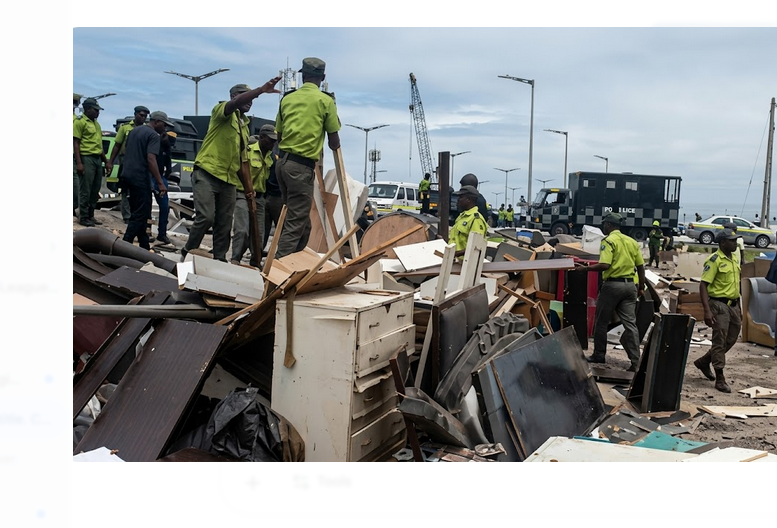
Backed by sanitation and enforcement officials, the operation saw teams move into the beachfront area to dismantle makeshift structures, remove debris, and clear out unauthorized settlements accused of contributing to worsening environmental conditions along the Lekki-Epe coastal corridor.
Officials described the exercise as part of a wider environmental enforcement campaign aimed at restoring order to Lagos waterfront communities and protecting fragile coastal ecosystems from further damage.
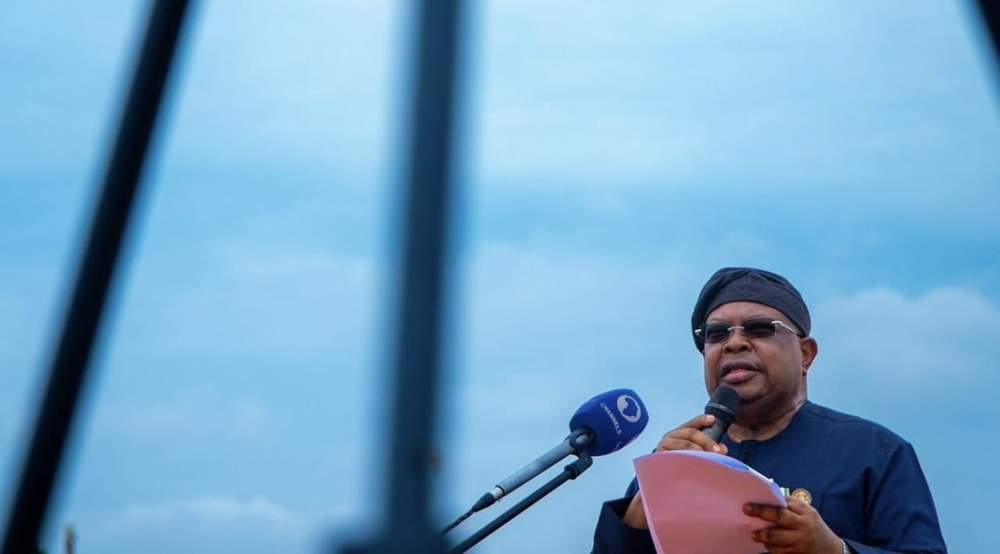
Commissioner for Environment and Water Resources, Tokunbo Wahab, confirmed that the government had intensified activities in the Maiyegun axis, stressing that the beachfront had increasingly become vulnerable to indiscriminate dumping, illegal structures, and activities considered unsafe for public health and environmental sustainability.
Authorities say the operation goes beyond aesthetics or sanitation, insisting it is also designed to prevent the area from turning into a breeding ground for criminal activity, environmental hazards, and uncontrolled urban encroachment.
Over the past few years, Lagos has ramped up environmental enforcement across major parts of the state, particularly in rapidly expanding areas such as Lekki, where population growth and commercial activity have increased pressure on public infrastructure and coastal spaces.
Residents and business owners within the Lekki corridor have repeatedly complained about growing waste accumulation, blocked drainage channels, and the spread of informal settlements along the waterfront, prompting calls for stronger government intervention.
The latest operation also aligns with the state’s broader vision of preserving beaches and waterfronts as strategic environmental and economic assets, especially as Lagos continues positioning itself as a major tourism and commercial hub.
With bulldozers, LAWMA crews, and enforcement officials continuing clearance activities at the site, the government has warned that similar operations will be extended to other areas where illegal occupation and environmental violations persist.
For Lagos authorities, the message appears clear: the battle to reclaim public spaces and restore environmental order along the state’s coastline is far from over.