Lagos Scrap Dealers Threaten Shutdown Over Falling Prices
By Emmanuel Daniji
For the Lagos scrap dealer who spends days moving from one collection point to another, buying metal and loading trucks in the hope of making a profit, a sudden drop in price can wipe out weeks of hard work in a single transaction.
That is the fear now hanging over scrap dealers across Lagos and other parts of Nigeria as members of the National Association of Scrap and Waste Dealers Employers of Nigeria (NASWDEN) threaten to stop supplying scrap metals and other raw materials to iron and steel companies from October 1.
The association says the planned action, initially scheduled to last until October 15, could be extended indefinitely if its grievances are not resolved.
For dealers, the biggest problem is what happens after they have already spent their money buying and transporting scrap.
According to NASWDEN, some iron and steel companies allegedly reduce their buying prices without giving dealers enough notice. By the time a dealer’s truck arrives at the company, the value of the load may have fallen sharply.
The association says a dealer can lose between N3 million and N6 million on a single truckload when such price changes happen.
In Lagos, where scrap collection, transportation and metal trading provide income for many people, such losses can have a ripple effect.
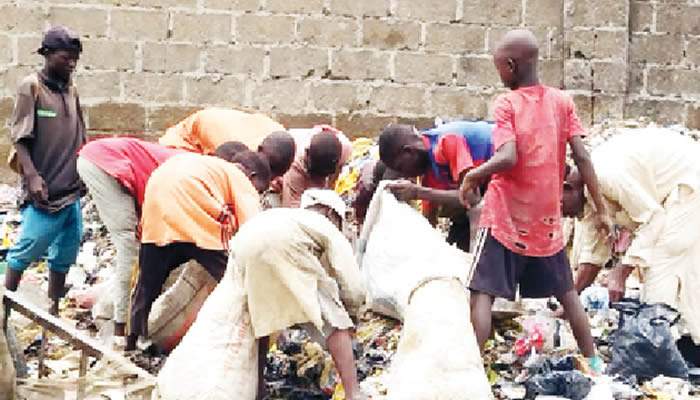
The dealer is not the only person affected. There are collectors who gather the metals, workers who sort them, truck owners and drivers who move them, and the various small businesses that depend on the trade.
NASWDEN Deputy National President, Aminu Hassan Soja, said the association’s members are already under serious financial pressure because of what it described as frequent and deliberate price reductions.
The association also complained about deductions of between one and five per cent from some transactions under what it called “extra dust”.
For dealers operating on tight margins, NASWDEN says such deductions add another layer to their financial burden.
But the association’s concerns go beyond prices.
It also raised alarm over what it described as the increasing involvement of foreigners in Nigeria’s scrap metal business, including the establishment of dumpsites and collection centres.
NASWDEN wants stronger regulation to protect indigenous dealers and bring greater order to the industry.
Another issue is the buying of scrap from unregistered dealers and agents.
The association warned that weak verification could create room for stolen or vandalised public and private property to enter the steel industry disguised as scrap.
That concern is particularly important in a business where a pile of old metal can sometimes be difficult to distinguish from materials that may have been illegally removed from public infrastructure or private property.
NASWDEN is therefore asking iron and steel companies to properly verify the source of scrap before purchasing it.
For now, the association says it would rather settle the dispute through dialogue than confrontation.
It has directed its members to remain peaceful and law-abiding during the planned industrial action, warning them against violence, destruction of property or any action that could disrupt public order.
But if the October 1 deadline stands, Lagos could feel the impact beyond the scrap yards.
A disruption in the supply of scrap could affect the chain that connects scrap collectors to dealers, transporters and steel companies, leaving businesses across the industry waiting to see whether both sides can reach an agreement before the proposed shutdown begins.
For the people at the bottom of that chain, however, the issue is much simpler: after spending millions of naira to buy, sort and move a truckload of scrap, they want to know that the price waiting for them at the other end will still allow them to go home with a profit.