Lagos Rejects Electricity Subsidy for Consumers
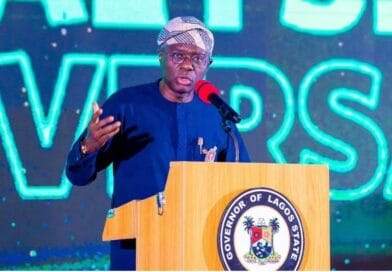
The decision was unveiled during a stakeholder engagement session organised by the Lagos State Electricity Regulatory Commission (LASERC), where officials presented an ambitious blueprint for transforming electricity supply across Nigeria’s commercial capital.
According to the commission, subsidising electricity consumption for homes and businesses could weaken the long-term sustainability of the sector, limit infrastructure expansion, and discourage private investors needed to power Lagos’ growing economy.
Chief Executive Officer of LASERC, Temitope George, said the state is prioritising a cost-reflective electricity system that allows operators in generation, distribution, metering, and renewable energy to recover costs while delivering improved services to consumers.
She explained that Lagos is determined to avoid the financial pressures and inefficiencies often associated with subsidy-driven energy systems, noting that market-based reforms are essential for building a stable and reliable electricity ecosystem.
The move comes as Lagos accelerates implementation of the Lagos Electricity Law signed in 2024 by Babajide Sanwo-Olu, which granted the state regulatory authority over electricity generation, distribution, transmission, and tariff administration within its territory.
Under the evolving framework, the government plans to expand embedded power projects, mini-grid networks, renewable energy solutions, and independent distribution systems to reduce dependence on the national grid and improve electricity access.
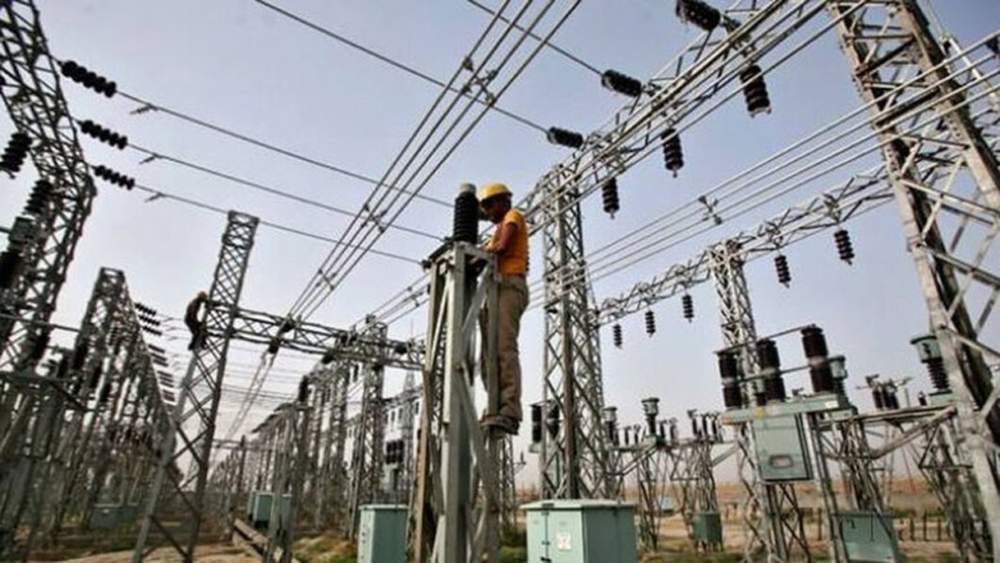
Energy stakeholders at the forum noted that cost-reflective tariffs remain critical to attracting long-term financing into Nigeria’s troubled power sector, which continues to struggle with weak infrastructure, low metering coverage, and recurring supply shortages.
Although subsidies have been ruled out, LASERC said consumer protection measures are being developed to cushion vulnerable residents through targeted interventions, wider metering coverage, energy-efficiency initiatives, and expanded electricity access in underserved communities.
The commission also announced plans to roll out pilot 24-hour electricity franchise zones in parts of Lagos later this year, alongside a statewide metering programme and the deployment of an AI-powered monitoring platform dubbed the “Electric Eye of Lagos.”
Officials believe the reforms could position Lagos as a model for sub-national electricity markets in Africa, while supporting industrial growth, economic expansion, and more reliable power delivery for millions of residents.