Lagos Leather Fair Targets Africa’s Export Growth
The Lagos Leather Fair (LLF) is gearing up for its ninth edition with a bold new mission, transforming Africa’s leather industry into a globally competitive export powerhouse driven by innovation, manufacturing, and value chain expansion.
Slated for June 27 to 28, 2026, at the Ecobank Pan African Centre in Victoria Island, Lagos, this year’s fair will convene designers, manufacturers, investors, policymakers, and creative entrepreneurs under the theme: “Beyond the Hide: Scaling Value. Building Industry. Driving Growth.”
Organisers say the 2026 edition signals a major shift in how Africa’s leather sector is perceived — from a largely raw-material market to a dynamic industrial ecosystem with the potential to generate billions in revenue, create jobs, and strengthen non-oil exports across the continent.
Since its launch in 2017 by Femi Olayebi, the Lagos Leather Fair has grown into one of Africa’s leading platforms for leather innovation and enterprise development. Over the years, the event has hosted more than 300 exhibitors and attracted over 25,000 visitors, while several participating brands reportedly experienced significant business growth following their participation.
Speaking on the vision behind LLF2026, Olayebi said the industry is entering a new era defined by structure, scalability, and international competitiveness. According to her, the fair is designed to equip local leather brands with the knowledge, partnerships, and tools needed to thrive in global markets.
The two-day event will showcase a wide range of leather products, including footwear, handbags, furniture, apparel, accessories, and raw materials sourced from Nigeria and other African countries. Industry-focused conversations will also explore export regulations, quality compliance, strategic partnerships, financing opportunities, and pathways into international markets.
Attendees are also expected to participate in hands-on workshops and masterclasses centred on sustainable manufacturing, emerging production technologies, branding, and business growth strategies aimed at helping African leather businesses scale beyond local markets.
In a major endorsement of the sector’s economic potential, Ecobank Nigeria has partnered with the fair as its official host and sponsor, underscoring increasing institutional support for Africa’s growing creative manufacturing industry.
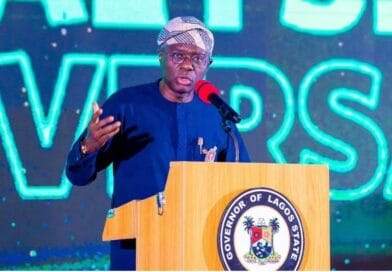
The renewed push for export readiness aligns with broader efforts by the Lagos State Government to diversify the economy through industrialisation and creative enterprise development. Earlier this year, Babajide Sanwo-Olu projected that Lagos’ leather industry could generate more than ₦387 billion annually in export earnings if fully developed and industrialised.