Lagos-Calabar Highway Gets Two Weeks to Improve or Face Closure
By Emmanuel Daniji
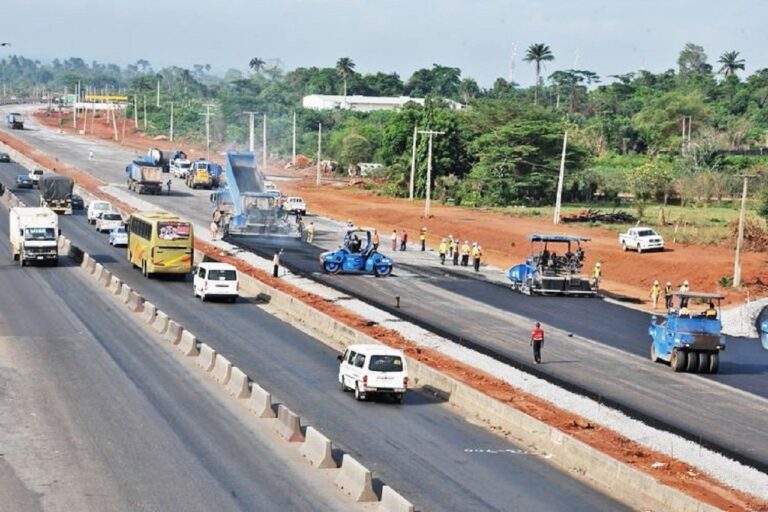
Motorists using the Lagos section of the Lagos-Calabar Coastal Highway have been given two weeks to change the way they use the road or risk losing access to the route altogether.
The Federal Government has threatened to shut the highway if motorists and other road users continue to disregard safety rules while construction is still ongoing.
The warning was issued by the Federal Controller of Works in Lagos State, Olufemi Dare, during an inspection of the highway on Monday. He said the directive followed concerns raised by the Minister of Works, David Umahi, over persistent safety violations, vandalism and other activities along the route.
“Within two weeks, if there’s no improvement on all these issues, then we have no option than to come back and shut down this road,” Dare said.
The threat could affect motorists who have increasingly turned to the coastal highway as an alternative route, particularly as the road provides access to communities along the Lagos coastline.
But officials stressed that the highway remains a construction zone.
The Lagos section covers about 103 kilometres and is divided into two sections of approximately 47 kilometres and 56 kilometres. There are also 20 major bridges along the two sections, with several still under construction.
One of the biggest concerns is speed.
Dare said the approved speed limit on the coastal highway is 30 kilometres per hour because construction work is still taking place. He, however, said some motorists were driving at speeds of between 100km/h and 120km/h.
The government says such speeds are particularly dangerous on a road where bridge construction and other major works are still taking place.
Dare also raised concerns about reported fatalities on the highway, saying the government could no longer allow road users to ignore safety measures.
Beyond speeding, the government is also targeting trucks and trailers that park on the highway, illegal U-turns, roadside hawking, animal grazing, commercial motorcycles and tricycles.
Authorities also plan to remove shanties and other illegal structures along the corridor.
The highway is facing another problem that motorists may not immediately see from inside their vehicles — vandalism.
Dare said about five kilometres of ClearVu fencing had been removed, while concrete covers along approximately 18 kilometres had also been vandalised and taken away.
According to him, some of the vandalism takes place at night, creating additional security risks along the route.
The government is considering replacing vulnerable sections of the steel fencing with concrete barriers and installing CCTV cameras to improve surveillance.
It has also approved the recruitment of 40 coastal guards for the first section of the highway. The guards are expected to be drawn from communities along the route and work with the police to monitor activities and improve security.
The Federal Government says increased police deployment is also being arranged along the highway.
For motorists, however, the immediate issue is the two-week deadline.
If the authorities do not see significant improvement in compliance, the government says it may close the Lagos section of the coastal highway.
The warning puts the focus on a road that is already carrying motorists even though major construction works are yet to be completed — and where officials now say speeding, illegal activities and vandalism are putting both lives and infrastructure at risk.