Infrastructure vs Spending: Residents Split Over Sanwo-Olu’s Trillion-Naira Budgets
Infrastructure vs Spending: Residents Split Over Sanwo-Olu’s Trillion-Naira Budgets
By Kunle Awosiyan
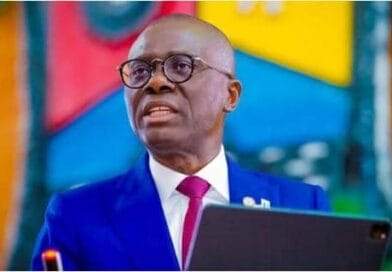
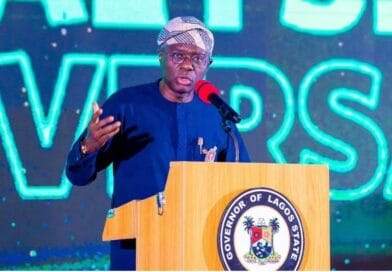
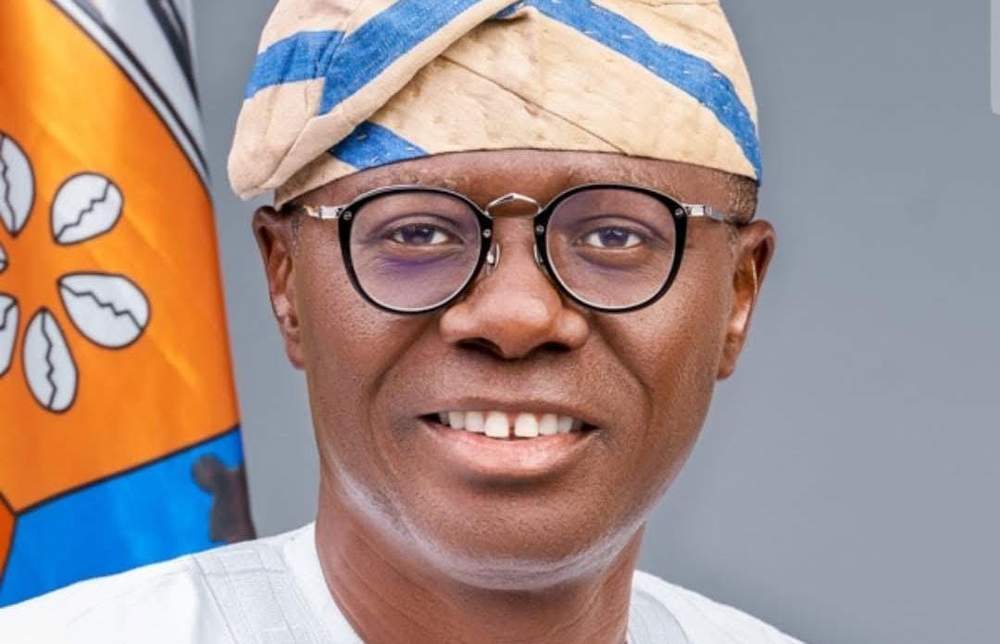
As Lagos State’s annual budgets continue to rise into the trillion-naira range, a debate is emerging among residents over whether the scale of infrastructure delivered by Governor Babajide Sanwo-Olu’s administration justifies the unprecedented public spending.
While many Lagosians point to major investments in roads, rail transport, housing, healthcare and education as evidence that government funds are yielding visible results, others argue that many communities still grapple with dilapidated inner roads, flooding, traffic congestion and a rising cost of living despite the huge budgets.
The differing views come as the Lagos State Government continues to defend its record, insisting that the state’s growing internally generated revenue (IGR) and successive budgets have enabled one of the most ambitious infrastructure programmes in its history.
For residents such as Mr. Tairu Salami of Akala Street, Mushin, the benefits of government spending have yet to adequately reach many inner communities.
Although he acknowledged improvements on major roads, Salami said many streets in Mushin remain riddled with potholes and poor drainage.
“Mushin is the one voting, Mushin is also the one suffering. Our inner roads are bad. Yesterday, a tricycle carrying a woman and a bag of garri overturned after hitting a large pothole filled with rainwater,” he said.
Another resident, Lukman Ajayi, expressed similar concerns, arguing that government attention appears to focus more on major roads than neighbourhood streets.
“There are many bad roads in Ilasa and Isolo. Government repairs the major roads while many inner roads remain neglected,” he said.
The Lagos State Government, however, insists that substantial investments have been made in maintaining inner roads across the state.
According to the Lagos State Public Works Corporation (LSPWC), about 459 roads have undergone rehabilitation and maintenance over the past two years through routine repairs, sectional overlays and comprehensive maintenance works.
The agency also disclosed that 116 roads were selected for extensive palliative repairs and pothole filling following heavy rainfall.
LSPWC’s Director of Public Affairs, Samuel Ayetutu, acknowledged the inconvenience caused by deteriorating roads but assured residents that maintenance works are ongoing.
The General Manager of the corporation, Tokunbo Ajanaku, attributed much of the recent road deterioration to unusually heavy rainfall, noting that similar weather conditions had damaged infrastructure in cities around the world.
He explained that while extensive maintenance had been carried out during the dry season, continuous rainfall had limited permanent asphalt repairs because such work requires dry weather to achieve lasting results.
Beyond residents’ complaints lies a broader fiscal question: Has Lagos’ unprecedented budget expansion translated into infrastructure that justifies the spending?
Official budget documents suggest the state has experienced one of the fastest increases in public expenditure among sub-national governments in Africa.
Lagos’ budget grew from ₦1.77 trillion in 2023 to ₦2.267 trillion in 2024, rose to ₦3.366 trillion in 2025 and reached ₦4.44 trillion in 2026.
The increase has been driven largely by rapid growth in internally generated revenue, which climbed from about ₦874 billion in 2023 to over ₦1.3 trillion in 2024.
Unlike many states where recurrent expenditure consumes most public resources, Lagos has consistently devoted more than half of its annual budgets to capital projects, particularly infrastructure.
The administration says those investments have produced measurable results. Since 2019, government records show that 362 roads covering more than 347 kilometres have been completed, while another 181 road and bridge projects remain under construction.
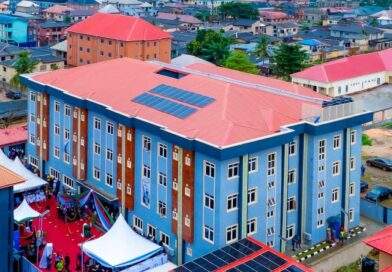
Beyond roads, the state has commissioned the Blue Line Rail, advanced work on the Red Line and Green Line rail projects, expanded water transportation, acquired new ferries and completed 23 housing estates providing over 10,600 housing units.
The administration has also invested in healthcare through the completion of Ojo General Hospital, four Mother and Child Centres, expansion of LASUTH and construction of the Massey Street Children’s Hospital.
Education has similarly benefited, with thousands of classrooms renovated, teachers trained and two additional state-owned universities established.
Questions Beyond Project Numbers
While the scale of infrastructure is widely acknowledged, analysts argue that the debate should extend beyond the number of completed projects.
Public finance experts say value for money, procurement transparency, maintenance, debt sustainability and equitable distribution of projects across communities are equally important indicators of performance.
Like many governments pursuing major infrastructure expansion, Lagos has increasingly relied on borrowing and bond financing, raising concerns about future debt-servicing obligations.
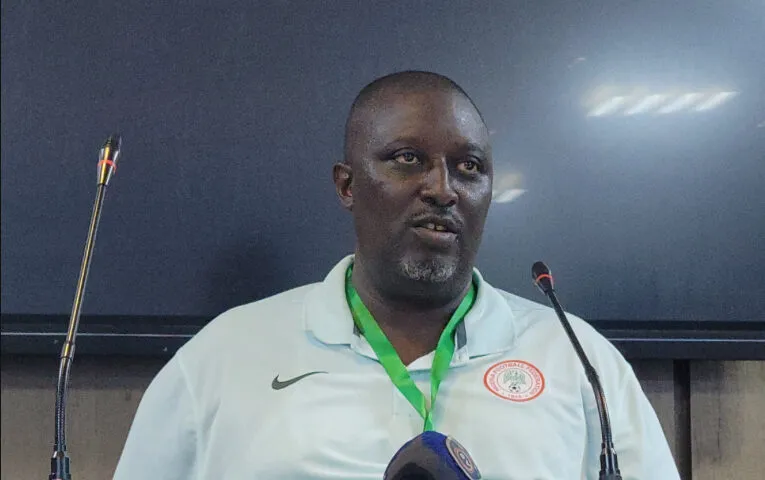
However an Integrated marketing communications and financial expert, Bestman Nze-Jumbo, believes the state’s infrastructure development broadly reflects the level of public investment.
He rated the Sanwo-Olu administration 85 per cent on infrastructure delivery, describing Lagos as an economy steadily approaching second-world standards because of sustained investment and policy continuity.
According to him, continuity of governance has enabled successive administrations to execute long-term infrastructure projects that are gradually transforming the state.
However, he cautioned that future governments must ensure infrastructure development keeps pace with Lagos’ rapidly growing population.
The debate over Lagos’ trillion-naira budgets ultimately reflects two realities. On one hand, official records show significant investments in transportation, housing, healthcare, education and industrial development.
On the other, many residents argue that these gains have yet to be evenly felt across neighbourhoods, particularly in inner communities where poor roads and flooding remain daily challenges.
As Lagos continues to expand its budgets and revenue, the real measure of success may no longer be the value of projects delivered but how effectively those investments improve the quality of life for every resident across the state.