‘Our Best Is Not Enough’ Ikeja Chairman Admits As Lagos Battles Maternal Deaths
Kehinde Adeleye
The Lagos State Government has called for stronger community education, counselling and access to quality healthcare as part of efforts to reduce preventable maternal deaths across the state.
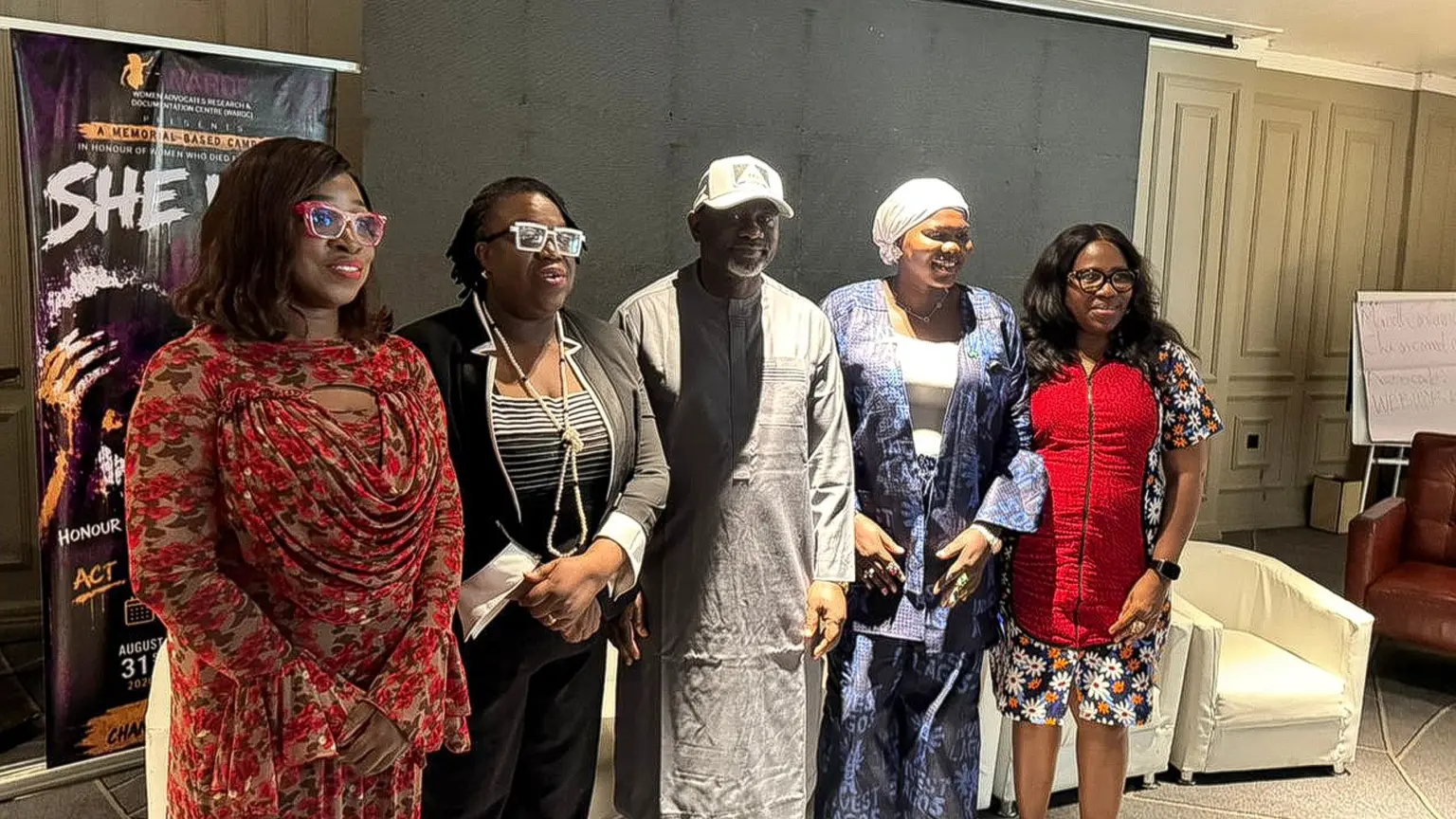
The Commissioner for Youth and Social Development, Mobolaji Ogunlende, made the call on Monday at a memorial and advocacy meeting held in honour of women and girls who lost their lives following unsafe termination of pregnancy.
Ogunlende, who was represented by the Lagos Youth Ambassador, Suliat Olaniyan, said maternal mortality should not be treated merely as a public health statistic, stressing that every death affects families and communities.
“Every girl, every woman deserves access to safe, quality and respectful healthcare, especially during pregnancy and childbirth,” he said.
The commissioner said the loss of women had consequences beyond individual families, noting that women play important roles as mothers, leaders and contributors to society.
“When we lose women, we lose the future of our society. These are mothers, leaders and role models,” Ogunlende said.
He expressed concern over the continued reliance on untrained providers and unsafe methods by women and girls seeking to terminate pregnancies.
“Some people still go to quacks who mix substances for them, leading to tragic and avoidable outcomes,” he said.
Ogunlende stressed the need for families to create an environment where young people can openly discuss sensitive issues without fear of stigma or rejection.
According to him, Lagos has counsellors and support services, but many residents do not make use of them early enough.
“We have counsellors, but many people do not make use of them,” he said.
He also urged parents to pay closer attention to their children, particularly their social relationships, warning that peer pressure could influence young people into making dangerous decisions.
“If you notice anything unusual, talk to your child. Guidance and support can prevent many of these situations. This is not about religion; it is about life,” he said.
Ogunlende added that keeping young people alive should remain the priority, even when they make mistakes.
“If a child makes a mistake and is alive, there is room for correction, but if the child dies, there is nothing to hold on to,” he said.
The founder of Women Advocates Research and Documentation Centre, WARDC, Dr Abiola Akiyode Afolabi, however, linked unsafe abortion to Nigeria’s restrictive legal framework.
Akiyode Afolabi said criminalisation and stigma could push women into secrecy and make it difficult for them to access accurate information and appropriate healthcare.
She called on government to intensify public awareness and ensure women have access to information that would enable them make informed decisions about their pregnancies.
“We realise that unsafe abortion contributes a lot to maternal death because people are not put in a position where they can make informed choices on the issue of their pregnancy,” she said.
She added that women seeking to terminate pregnancies are often exposed to stigma because abortion is criminalised to a large extent in Nigeria.
“Government should act and promote more awareness on how to address unsafe termination of pregnancy in Nigeria,” she said.
The Chairman of Ikeja Local Government Area, Olalekan Dauda, also called for stronger collaboration between local communities and health authorities.
Dauda said healthcare workers and counselling services were available at the local government level, but many residents were unaware of the services.
“As we speak, I have 6 staff members in the Ikeja Local Government Service, including nurses, matrons and counsellors, but people are not aware,” he said.
He acknowledged that more needed to be done to connect residents with available services.
“Our best is not enough. We must continue to engage our people,” Dauda said.
The council chairman also urged religious leaders to become more involved in educating young people, noting that many youths trust their pastors and imams.
“These youths listen more to their imams and pastors. We need to build a community around this issue,” he said.
Dauda revealed that his family had also experienced the danger created by stigma and silence.
“I almost lost my daughter in a similar situation. She became pregnant and could not speak up due to stigma,” he said.
He further warned against the use of unregulated pills and homemade mixtures, saying some young girls were exposing themselves to serious health risks.
“A lot of these girls are taking harmful substances daily. We need urgent action to save the girl child,” he said.
The memorial was organised by WARDC in partnership with the Society of Gynaecology and Obstetrics of Nigeria, SOGON, and the Nigerian Medical Association, NMA, Lagos Chapter.
The event brought together survivors, grieving families, health professionals and advocates, who shared experiences highlighting the consequences of stigma, limited access to healthcare and gaps in support systems surrounding unintended pregnancies and unsafe termination.