Why POS Operators Remain Essential in Lagos
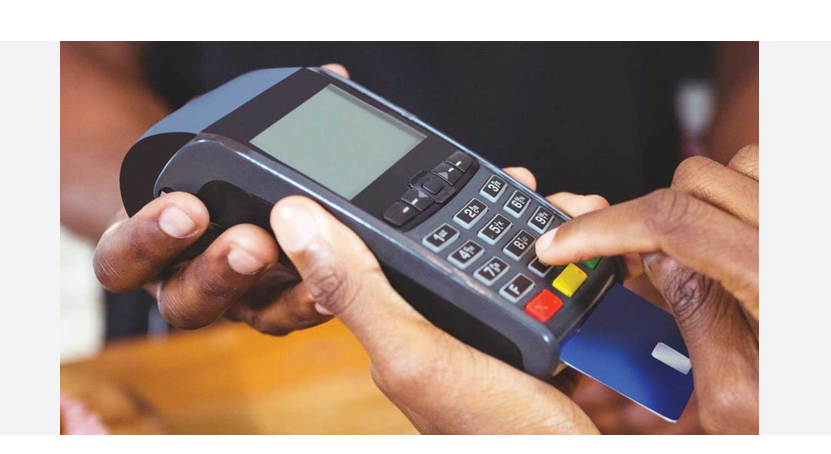
At 7:00 a.m., before most bank branches open their doors, customers have already started gathering at a small Point of Sale (POS) kiosk in the Ojota area of Lagos.
Some need cash for transportation, others want to transfer money, pay utility bills or fund betting accounts before heading to work.
For the POS operator, the day begins with a simple but critical task—finding enough cash.
“I can’t serve customers if I don’t have cash,” says 32-year-old Aisha, who has operated a POS business for four years. “Some mornings, I visit two or three banks before opening my shop.”
Despite Nigeria’s growing adoption of digital banking and mobile payment platforms, neighbourhood POS agents remain an indispensable part of everyday life. The Central Bank of Nigeria (CBN) has continued to promote cashless payments, but many Nigerians still rely on cash for transport fares, open markets, small retail purchases and informal businesses. At the same time, customers frequently complain about long queues at bank branches, ATMs running out of cash or machines developing faults, making nearby POS agents the quickest alternative.
For operators like Aisha, however, the business has become increasingly difficult.
One of the biggest challenges is access to cash. During periods of high demand—especially weekends, month-end salary periods and festive seasons—obtaining enough cash to meet customers’ needs can be a daily struggle. Operators often spend hours moving between bank branches to secure cash before they can begin serving customers.
Network reliability is another obstacle. A stable internet connection is essential for every transaction, yet poor network coverage or service interruptions can leave customers waiting while transactions remain pending.
“When a transfer hangs, the customer thinks you’ve taken their money,” Aisha explains. “You spend time calming people down even though the problem is from the network.”
The financial pressure has also increased. POS operators must cover shop rent, electricity, internet subscriptions, maintenance of their terminals and bank charges, while competing with a growing number of agents opening kiosks across Lagos.
Margins remain slim, forcing many operators to depend on high transaction volumes rather than high fees.
Security is another concern. Handling large amounts of cash makes POS operators potential targets for theft. Many now limit the amount of money they keep on hand, install CCTV cameras or close earlier than they once did to reduce risks.
Despite these challenges, customer demand remains strong.
Market traders, artisans, commercial drivers, students and residents continue to rely on POS agents because they offer services close to home without the delays often associated with traditional banking halls.
Industry experts also note that agency banking has expanded financial inclusion by bringing banking services to underserved communities where bank branches are limited. Thousands of Nigerians now access cash withdrawals, deposits, transfers and bill payments through POS agents rather than travelling long distances to financial institutions.
As the day’s transactions wind down, Aisha begins balancing her books, calculating commissions earned against transport costs, bank charges and other operating expenses.
“It looks like easy business from the outside,” she says. “But every day comes with its own challenges. Some days you make good money, and some days you’re just trying to recover your costs.”
In a city that rarely slows down, neighbourhood POS operators have become more than cash withdrawal points. They serve as the first stop for millions of Lagos residents seeking fast, accessible financial services, quietly filling the gaps left by traditional banking and keeping the city’s daily economy moving, one transaction at a time.