Rising Petrol Costs In Lagos Intensify Pressure On Households
By Sherif Salau
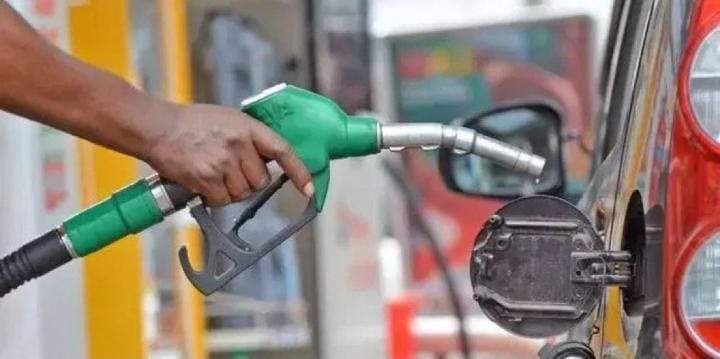
Petrol is currently retailing at approximately N1,400 per litre across major filling stations in Lagos. The increase coincides with ongoing geopolitical tensions in the Middle East, which continue to exert upward pressure on global energy markets and the landed cost of refined products.
For a city whose economy and daily functioning depend heavily on road transport, the elevated pump price carries immediate economic consequences. Higher fuel costs raise operating expenses for commercial vehicles, including buses, taxis and logistics operators. These additional costs are typically transferred to passengers and clients through increased fares and service charges, amplifying the cost of commuting and the movement of goods within the metropolis.
At the household level, the impact is felt in tighter daily budgets. Families that rely on private vehicles or public transport face a higher share of income allocated to mobility, leaving less disposable resources for food, housing and other essential needs. Small-scale traders and service providers whose livelihoods depend on frequent movement across the city experience reduced margins, limiting their capacity to sustain or expand operations.
Collectively, these pressures contribute to a gradual erosion of purchasing power and living standards. In a dense urban economy such as Lagos, where efficient and affordable mobility underpins both formal and informal activity, sustained increases in fuel prices risk constraining productivity, elevating the cost of living and placing additional strain on already stretched household finances.