
Petrol Price War Deepens As Imports Close Gap With Dangote
By Sherif Salau
The landing cost of imported petrol has moved slightly above the ex-gantry price offered by the Dangote Petroleum Refinery, reducing the differential to approximately two naira per litre. Current market data indicate that imported Premium Motor Spirit lands at about ₦1,167 per litre, compared with the ₦1,165 per litre charged by the Dangote Refinery.
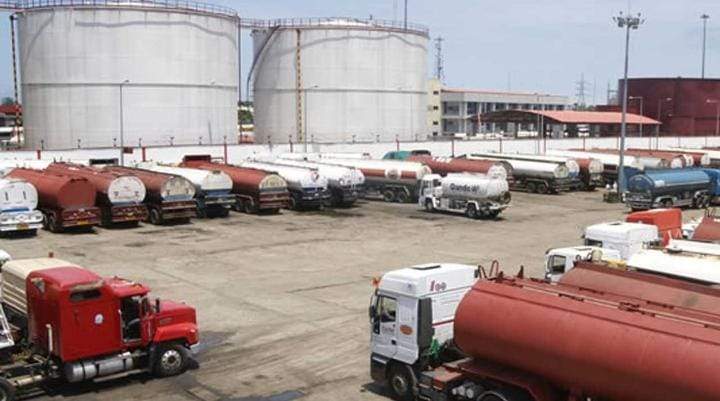
Several private depots have responded by lowering their wholesale rates. Prices at a number of facilities now fall within the range of ₦1,167 to ₦1,189 per litre. Operators including Pinnacle, SOBAZ, FYNEFIELD and Pivot are among those that have adjusted downward. These reductions at the depot level have not yet been fully transmitted to retail filling stations, where pump prices remain higher.
The narrow margin between imported and locally refined product highlights the competitive dynamics now present in Nigeria’s downstream petroleum market. Domestic refining capacity has reduced historical dependence on imports, yet the continued availability of imported cargoes provides an important counterbalance.
### Strengthening Competition Through Licensing
The current pricing environment has renewed attention on the regulatory framework governing import licences. Expanding the number of licensed importers offers a structural mechanism to limit concentrated market power and sustain competitive pressure on both domestic refiners and trading firms.
A broader licensing regime would serve several policy objectives. It would reduce the risk of monopolistic or oligopolistic pricing by ensuring that no single supplier can set terms without the credible threat of alternative supply. It would encourage operational efficiency across the value chain, prompting refiners and importers alike to optimise logistics, inventory management and cost structures. It would also enhance supply resilience by diversifying sources and reducing vulnerability to disruptions at any individual facility.
For consumers, the principal benefit lies in more responsive price transmission. When multiple suppliers compete, wholesale cost reductions are more likely to reach the pump in a timely manner. The present lag between lower depot prices and retail pump prices illustrates the incomplete nature of current competitive pressure. Wider participation by licensed importers could compress that lag by increasing the volume of competitively priced product available to marketers.
While concerns are sometimes raised that expanded imports could discourage investment in local refining, experience in competitive markets suggests that disciplined rivalry, rather than protective restrictions, provides the stronger incentive for efficiency and innovation. A market structure in which the Dangote Refinery and multiple independent importers compete on price, reliability and quality is more likely to deliver sustained benefits than one characterised by limited participation.
At present, the price differential remains narrow and the full impact of depot-level reductions has yet to reach motorists. Whether those reductions translate into lower retail prices will depend on both commercial decisions by marketers and the regulatory environment that determines how many participants are permitted to compete. A transparent and carefully supervised expansion of import licences remains one of the clearest instruments available to maintain competitive discipline and improve outcomes for consumers.