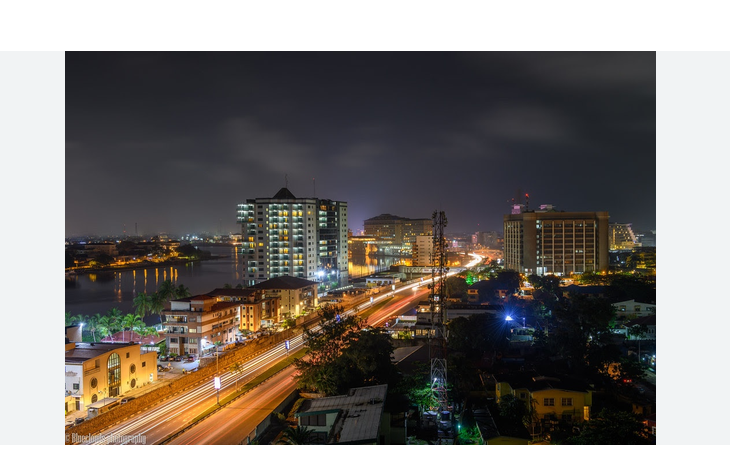
New Report: Lagos Nightlife Economy Hits ₦2.9tn
Lagos’ famed nightlife scene has evolved into a major economic powerhouse, generating an estimated ₦2.9 trillion in 2025 as the global rise of Afrobeats continues to draw visitors and stimulate spending across the city.
The figure, contained in a report by TAG by Oui Capital titled Off the Charts: The Afrobeats Export Economy, represents a dramatic increase from the estimated ₦1.49 trillion recorded in 2024.
The report highlights how music, entertainment and tourism are increasingly intertwined with the wider Lagos economy, creating a spending ecosystem that stretches far beyond concerts and music festivals.
From nightclubs, lounges and restaurants to hotels, transportation, food vendors and other hospitality businesses, thousands of operators benefit from the steady stream of consumers participating in Lagos’ vibrant after-dark economy.
A major catalyst for the boom is the annual Detty December season, which has transformed Lagos into a global entertainment destination during the end-of-year period.
According to the report, the 2025 festive season generated approximately ₦396.5 billion in consumer spending over 55 days, demonstrating the enormous economic activity concentrated around the city’s December entertainment calendar.
But while concerts often attract the biggest headlines, they were not the biggest beneficiaries of the spending spree.
Ticketed concerts and festivals accounted for an estimated ₦50 billion, while walk-in spending at restaurants, bars, clubs and other nightlife establishments reached approximately ₦171 billion.
The figures underline the broader economic impact of nightlife, where consumers spend not only on entertainment but also on meals, drinks, accommodation, transportation and other services before, during and after events.
A separate study by MO Africa Co. put total consumer spending during the 2025 Detty December period at about ₦396.54 billion. Hospitality and accommodation accounted for roughly ₦175.4 billion, while entertainment and nightlife generated an estimated ₦129.55 billion.
International visitors were also a major force behind the spending surge.
TAG’s report estimates that members of the diaspora made up only about 11 per cent of participants during Detty December but were responsible for approximately 55 per cent of total spending.
The MO Africa study also pointed to a changing pattern in international arrivals, with visitors from the United States overtaking the United Kingdom as the largest diaspora source for Lagos during the 2025 festive season.
The expanding nightlife economy is also benefiting thousands of small and informal businesses. Research by Moniepoint, based on transaction data from more than 27,000 bars, lounges and clubs, showed that Nigeria’s community nightlife recorded more than ₦900 billion in transaction activity in 2025.
Together, the figures paint a picture of an industry that has moved beyond recreation to become an important component of Lagos’ consumer, creative and tourism economy.
However, the ₦2.9 trillion estimate comes with an important caveat. TAG noted that there is currently no official system dedicated to measuring the complete economic value of Lagos’ nightlife sector. The figure is therefore an estimate derived from proprietary research and modelling rather than an official government statistic.
As Afrobeats continues to expand its global footprint and Lagos attracts more tourists, returning Nigerians and entertainment enthusiasts, the city’s nightlife is likely to remain a significant engine of economic activity.
The sector’s growth could also create wider opportunities for investors and policymakers in hospitality, transportation, food services, event infrastructure, tourism and digital payments—further cementing Lagos’ reputation as one of Africa’s leading entertainment capitals.