Lagos Reviews Airport Health Systems Over Rising Ebola Cases in Africa
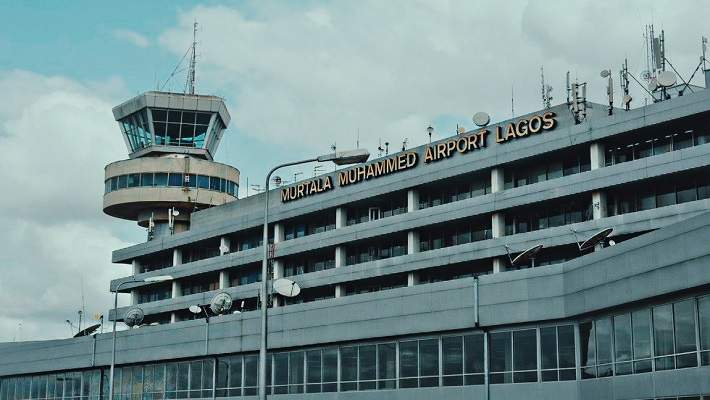
The Lagos State Government has intensified surveillance and preparedness measures at the Murtala Muhammed International Airport (MMIA) amid growing concerns over the resurgence of Ebola Virus Disease (EVD) in parts of Central and East Africa.
Leading a high level inspection and preparedness tour of the airport, Lagos State Commissioner for Health, Akin Abayomi, said authorities are considering measures that would reduce interaction between passengers arriving from high risk countries and other travellers while maintaining smooth airport operations.
The move comes as health authorities strengthen biosecurity measures to prevent the possible importation of Ebola into Nigeria through the country’s busiest international gateway.
Abayomi, accompanied by Kemi Ogunyemi and Permanent Secretary of the Lagos State Ministry of Health, Dayo Lajide, met with officials of the airport, Port Health Services, the Federal Airports Authority of Nigeria, and the Nigeria Civil Aviation Authority to review existing disease surveillance systems and emergency response mechanisms.
During the visit, the commissioner recalled Nigeria’s successful containment of Ebola in 2014 following the arrival of an infected traveller from Liberia, describing it as one of the country’s greatest public health achievements.
He noted that the experience reinforced the importance of constant vigilance against infectious diseases in an era of increased global travel and mobility.
According to Abayomi, MMIA handles about 70 per cent of Nigeria’s international passenger traffic, making it the most likely entry point for imported infectious diseases.
“Our objective is to create a bottleneck for the virus, not for passengers,” he stated.
He identified early detection, rapid isolation of suspected cases, safe evacuation procedures, and enhanced monitoring of travellers arriving from affected countries as key priorities.
Special Adviser on Health, Kemi Ogunyemi, stressed that airport workers remain the first line of defence against imported diseases because they are among the earliest officials to interact with incoming passengers.
She conveyed the support of Babajide Olusola Sanwo-Olu and described health security as an essential component of national security.
Airport authorities also disclosed plans to establish dedicated arrival processing channels for travellers arriving from countries considered high risk, a measure aimed at strengthening surveillance and facilitating quicker intervention when necessary.
Airport Manager Olatokunbo Arewa said additional preparedness measures, including touchless hand sanitiser dispensers, temperature monitoring equipment, public awareness campaigns, and enhanced passenger screening systems, are already being deployed.
The Head of Port Health Services at MMIA, Lawal Abdullahi, revealed that the airport had reviewed and updated its Public Health Emergency Contingency Plan in March 2026 and activated its Airport Public Health Emergency Management Team ahead of the latest Ebola developments.
Meanwhile, the Nigeria Centre for Disease Control and Prevention has maintained that there is currently no confirmed Ebola case in Nigeria.
However, health authorities continue to emphasise vigilance as the World Health Organization reports ongoing outbreaks linked to the Bundibugyo strain of Ebola in the Democratic Republic of the Congo and Uganda.