
Ibis Lagos Lekki Opening Exposes Funding Challenges Facing Private Projects
By Emmanuel Daniji
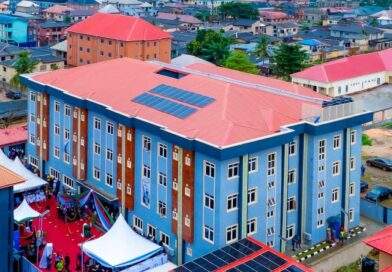
LAGOS — The opening of the new Ibis Lagos Lekki hotel has brought fresh attention to one of the biggest challenges confronting private-sector development in Nigeria: access to affordable and flexible funding.
The 120-room hotel, located in the rapidly developing Lekki area of Lagos, represents a new investment in the state’s hospitality sector. But behind the new building, jobs and business opportunities is a story of how difficult it can be for private investors to finance and complete major projects in Nigeria.
Ibis Lagos Lekki is the second property of the international hotel brand in Lagos, following the establishment of its first Lagos hotel in Ikeja in 2013.
‘The Funding System Is Not Favourable’
Speaking at the opening, the Chairman of HDV Nigeria Limited, Olufemi Okenla, said the financing environment remains a major obstacle to private-sector investment.
According to him, businesses need funding structures that give them enough time to develop projects and begin generating revenue before they are required to make significant repayments.
“The funding system in the country is not favourable,” Okenla said, calling for a broader conversation around how projects are financed, particularly the length of the moratorium periods attached to loans.
His concern touches on a familiar problem for Nigerian businesses.
A project may require years to acquire land, obtain approvals, construct buildings, install equipment and eventually begin generating income. Yet, depending on the financing structure, repayment obligations can begin long before the investment has reached its full earning potential.
Okenla argued that such conditions could discourage entrepreneurship and make it more difficult for private businesses to contribute meaningfully to economic growth.
“If the government is trying to encourage entrepreneurship, and the private sector is disconnected, there hardly will be that growth we desire in the country,” he said.
Lekki’s Terrain Added to Construction Costs
The hotel project also faced physical and construction challenges.
According to Okenla, the nature of the Lekki terrain meant that piling was required for the foundation, adding to the complexity and cost of construction.
The experience highlights another layer of pressure facing investors in Nigeria.
Beyond securing financing, developers must contend with rising construction costs, difficult terrain, infrastructure requirements, regulatory processes and the wider economic pressures affecting the building sector.
For a major hospitality project, these additional expenses can significantly affect the amount of capital required before the doors can finally open to customers.
Lagos Says Hospitality Is More Than Hotels
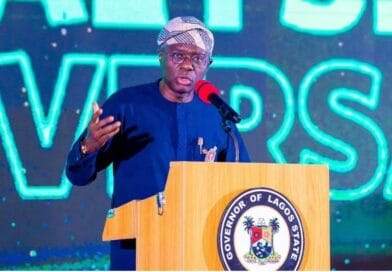
Representing the Lagos State Government at the opening, the Secretary to the State Government, Barrister Bimbola Salu-Hundeyin, described hospitality as a critical component of the state’s economy.
She said the sector extends far beyond the hotels and restaurants where visitors spend their money.
“For us in Lagos, hospitality isn’t simply about hotels, restaurants and tourism. It is an integral part of our economic ecosystem,” she said.
According to her, the sector supports businesses and investments, creates employment, strengthens Lagos’ entertainment and creative industries and promotes tourism.
She also noted that hotels and hospitality businesses facilitate conferences, events and business travel, while shaping the first impression that millions of visitors have of Lagos.
Why the Investment Matters
The arrival of another international hotel brand in Lekki is significant because the area has increasingly become one of Lagos’ major commercial and residential centres.
Lekki has attracted businesses, residential developments, entertainment venues and other investments over the years, increasing demand for accommodation and hospitality services.
A new hotel therefore has implications beyond the rooms it provides.
Its operations can create direct employment while generating opportunities for suppliers, food vendors, transport operators, event professionals, maintenance companies and other businesses connected to the hospitality value chain.
This is part of the wider economic argument for making private-sector financing easier.
When investors can raise capital under conditions that match the realities of their projects, they can potentially build more businesses, employ more people and expand the tax base.
The Bigger Funding Question
The opening of Ibis Lagos Lekki therefore presents two sides of Nigeria’s investment story.
On one side is the optimism represented by a new international hotel, additional rooms, employment opportunities and continued private investment in Lagos.
On the other is the difficult journey required to bring such an investment to life.
Okenla’s comments have consequently reopened a larger conversation about whether Nigeria’s current financing environment gives entrepreneurs and investors sufficient breathing space to develop long-term projects.
For projects such as hotels, manufacturing plants, real estate developments and other capital-intensive businesses, the ability to survive the period between investment and profitability can be just as important as securing the initial funding.
The new Ibis Lagos Lekki may now be welcoming guests, but the concerns raised at its opening point to a much bigger issue facing Nigeria’s private sector.
For investors to build at the scale Nigeria needs, the money must not only be available—it must also come with terms that allow the business enough time to grow.