From Rubbish to Revenue: Lagos’ Plan to Turn Waste Into Wealth
For many Lagos residents, waste is more than an environmental problem.
It is the overflowing bin on their street, the foul smell around their homes, the blocked drainage channel after heavy rain and the refuse that seems to return almost as quickly as it is cleared.
But the Lagos State Government is now betting that some of the waste causing these problems could become part of the solution.
Through the Lagos Waste Management Authority (LAWMA), the state is planning new waste-conversion facilities that will process refuse into energy, compost and recyclable materials, in a major shift from the traditional practice of simply moving waste from neighbourhoods to dumpsites.
The plan comes as Lagos grapples with an estimated 13,000 tonnes of waste generated every day, putting increasing pressure on existing waste collection and disposal infrastructure.
One of the biggest projects in the pipeline is a waste-to-energy plant planned for Epe. The facility is expected to process about 3,000 tonnes of waste daily and forms part of a wider five-to-10-year investment programme by the state to improve waste collection, treatment and disposal.
The idea is straightforward: instead of allowing tonnes of refuse to end up in landfills, the waste will be processed and converted into useful products, including electricity and other forms of energy.
The proposed facilities will complement another approach already being tested in Lagos — turning organic waste into energy at the point where it is generated.
At the Ikosi Fruit Market in Ketu, mountains of spoiled pineapples, watermelons, fruit peels and other organic waste are no longer simply discarded. A biodigester launched by the state government in February 2026 converts the waste into biogas for cooking and electricity, while the residue is processed into fertiliser.
For traders, the project has provided a glimpse of what Lagos could gain if its waste is treated as a resource rather than simply rubbish.
At the market, the biogas is being used for lighting, cooking and phone-charging businesses. One phone-charging operator told Channels Television that he previously spent between ₦15,000 and ₦20,000 daily on petrol before switching partly to the renewable energy supplied by the project. Food vendors have also reported lower cooking costs.
The Ikosi-Ketu market produces about 30 tonnes of waste every day, with roughly 90 per cent described as organic and therefore suitable for biodigestion. LAWMA has said the model could be replicated in other major markets across Lagos.
The state is also looking beyond organic waste. Plans for material recovery facilities in parts of Lagos are expected to allow waste to be sorted so that recyclable materials can be recovered instead of being buried in landfills.
For residents, however, the real test will not be the number of plants announced but whether they translate into cleaner neighbourhoods.
A waste-to-energy system can only work effectively if waste is properly collected, sorted and delivered to the right facilities. That means residents, businesses, markets, waste collectors and government agencies will all have a role to play.
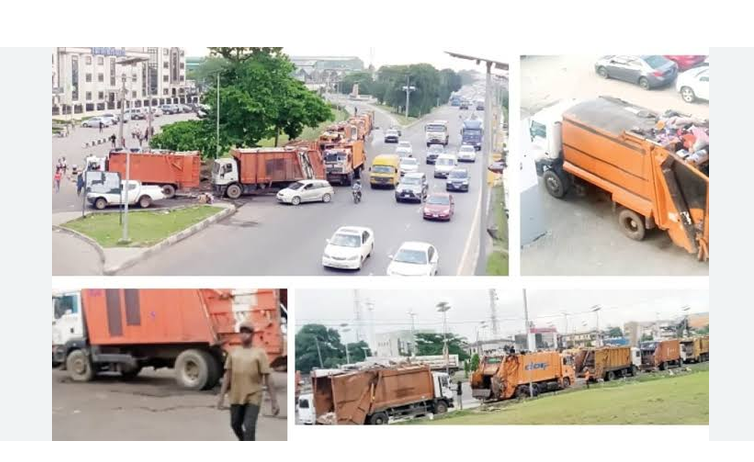
The government has also been strengthening its collection system, with additional compactor trucks expected to increase the capacity of waste collection across the state.
The potential benefits extend beyond sanitation. Converting waste into energy could reduce the volume of refuse sent to landfills, create jobs around recycling and waste processing, provide alternative sources of energy and reduce the environmental impact of decomposing organic waste.
The experience at Ikosi suggests that the concept can have a direct impact on everyday life. Spoiled fruit that once created odour, attracted pests and added to the waste burden is now helping traders cook food, charge phones and illuminate parts of the market. The facility also produces bio-fertiliser from the waste residue.
For a city as densely populated and commercially active as Lagos, the stakes are high. Every truckload of waste that is successfully converted into energy or recyclable material represents less pressure on already crowded dumpsites.
The ambition, ultimately, is to make Lagos less dependent on the old cycle of collect, transport and dump.
For residents who have lived for years with overflowing waste bins and polluted surroundings, the promise is simple: a Lagos where yesterday’s rubbish can help power tomorrow’s city — and where cleaner streets are not just an aspiration, but part of everyday life.