Ebola: Lagos Intensifies Surveillance, Assures Residents of Preparedness
Ebola: Lagos Intensifies Surveillance, Assures Residents of Preparedness
…Urges vigilance, prompt reporting and adherence to preventive measures
The Lagos State Government has intensified disease surveillance and emergency preparedness following the confirmation of an imported case of Ebola Bundibugyo virus in the Federal Capital Territory (FCT), Abuja.
The state government, however, has reassured residents and visitors that there is currently no confirmed case of Ebola in Lagos, urging the public to remain calm, vigilant and guided by verified information.
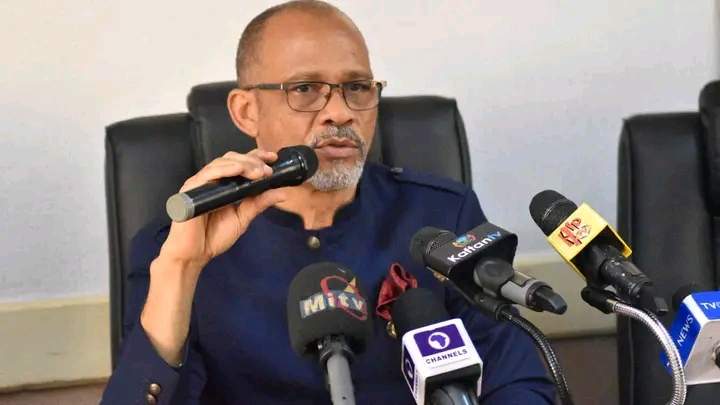
The Commissioner for Health, Prof. Akin Abayomi, disclosed this in a statement issued on Sunday, October 25, 2026, noting that the state was strengthening its capacity to prevent, detect and respond to potential public health threats.
According to him, the Lagos State Ministry of Health, through the Directorate of Epidemiology, Biosecurity and Global Health, is intensifying disease surveillance, risk communication and community engagement to ensure early detection and prompt response to any suspected case.
He said the ministry was also collaborating with relevant agencies at points of entry, particularly the Murtala Muhammed International Airport (MMIA), to strengthen monitoring and preparedness.
As part of the measures, the state government has conducted a strategic engagement and assessment at MMIA involving airport management, Port Health Services and other aviation and public health stakeholders.
The engagement focused on passenger screening, information sharing, infection prevention and control, as well as coordination of emergency response measures.
Abayomi added that the ministry was intensifying public enlightenment through educational materials explaining Ebola symptoms, modes of transmission and preventive measures.
Ebola Virus Disease is a severe and potentially fatal illness that spreads primarily through direct contact with the blood and other body fluids of an infected person who is showing symptoms. Transmission can also occur through contaminated materials, contact with the bodies of people who have died from the disease, and exposure to infected animals.
The commissioner advised residents to avoid contact with potentially infectious materials and refrain from spreading unverified information capable of causing unnecessary fear and panic.
He explained that symptoms could develop between two and 21 days after exposure and might include fever, severe weakness, headache, muscle pain, sore throat, vomiting, diarrhoea and abdominal pain. Unexplained bleeding or bruising may also occur in some cases.
The commissioner noted that the early symptoms could resemble those of malaria and other common illnesses, urging anyone who becomes unwell, particularly after possible exposure or travel from an area with active transmission, to seek prompt medical assessment.
He further reminded residents that, in line with Lagos State’s fever-management policy, anyone with a fever should undergo a malaria rapid diagnostic test before taking antimalarial medicines.
Where the test is negative, a healthcare professional should assess other possible causes of the fever and recommend appropriate treatment.
Other preventive measures recommended by the ministry include regular handwashing, avoiding contact with the body fluids of sick persons, refraining from handling potentially contaminated materials and avoiding contact with sick or dead wild animals.
Travellers arriving in Nigeria, especially from areas reporting Ebola transmission, have also been urged to cooperate with Port Health Services and other authorised officials, provide accurate travel and health information when requested, and comply with applicable public health guidance.
Anyone who develops symptoms during travel or after arrival should promptly notify the appropriate health personnel and seek guidance before visiting a healthcare facility.
The commissioner also called on airlines and airport operators to sustain established public health protocols, while advising travellers to consult official advisories from the Nigeria Centre for Disease Control and Prevention (NCDC), the Nigerian Civil Aviation Authority (NCAA) and the Federal Airports Authority of Nigeria (FAAN) for current guidance.
Residents who suspect they may have been exposed to Ebola, particularly through contact with a suspected or confirmed case, were advised to contact public health authorities promptly for guidance before visiting a healthcare facility.
The statement provided the following emergency contact numbers for reporting suspected cases or exposure concerns in Lagos: 112 or 767. Residents may also contact the Directorate of Epidemiology, Biosecurity and Global Health, Lagos State Ministry of Health, on 0802 316 9485.
Abayomi assured residents that the state government would continue to monitor developments, strengthen surveillance and response readiness, coordinate with relevant stakeholders and provide verified updates as necessary.
He urged Lagos residents to remain calm, observe recommended preventive measures and follow official public health announcements, stressing that early detection and prompt reporting were critical to saving lives.