How Wizkid’s Detty December Show Could Boost Lagos’ Economy
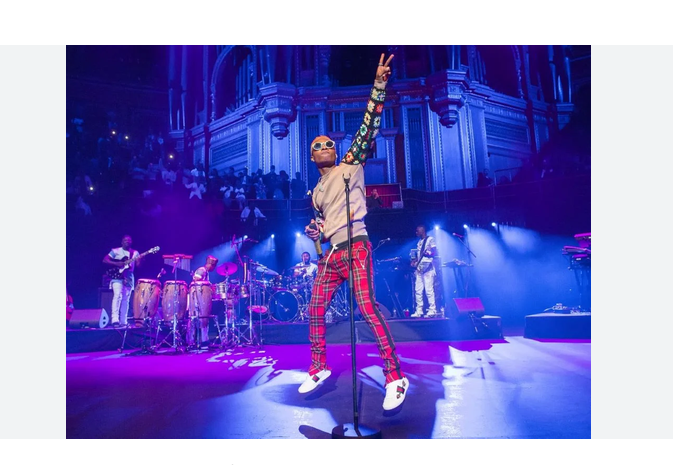
When Wizkid steps onto the stage in Lagos this December, the biggest story may not be the number of fans singing along to his hits.
For Lagos, the more important story could be what happens before the music starts and after the final song ends.
The Afrobeats superstar is set to headline the opening night of the 2026 Detty December Fest on December 18, launching a 13-day festival that will run until December 30. Organisers say the programme will combine concerts with food, shopping, nightlife, family experiences and youth-focused activities, with more than 300 performers scheduled across multiple stages.
That combination could give Lagos another opportunity to turn its famous December entertainment rush into a more organised, revenue-generating tourism economy.
The opportunity is already visible in last year’s numbers.
A report by MO Africa Co. estimated that consumer spending linked to the 2025 Detty December season reached ₦396.54 billion, with about 3.6 million people participating across hospitality, entertainment, food, fashion and other sectors. Accommodation and hospitality alone accounted for about ₦175.4 billion, while entertainment and nightlife generated approximately ₦129.5 billion.
Those figures change the way Lagos should look at a Wizkid concert.
It is not simply an event where people buy tickets and go home.
A fan flying into Lagos for the concert may spend money on an airport transfer, hotel or short-let apartment, food, clothing, hair and beauty services, transportation, nightlife and shopping before ever entering the venue.
The concert becomes the starting point of a much longer spending chain.
And that is where Lagos can potentially capture more value.
The 2025 figures showed that hospitality was the biggest beneficiary of the festive economy. More than 810,000 participants reportedly used paid accommodation, with hotels and short-let properties benefiting from the influx.
For Lagos, the next step should be ensuring that the spending spreads beyond a few premium locations.
The December economy can support hotels and restaurants on the Mainland just as it supports businesses in Lekki, Victoria Island and Ikoyi. Local attractions, markets, beaches and entertainment venues in areas such as Badagry and other parts of the state can also become part of the visitor experience.
There is evidence that tourists are already moving beyond the traditional nightlife corridor.
The Lagos State Ministry of Tourism, Arts and Culture said tourist arrivals increased sharply during the 2025 festive season, while more than 45,000 visitors were recorded weekly at Badagry beaches during the period. The ministry also reported increased activity across hotels, resorts, beaches and marine transportation.
The challenge, therefore, is not necessarily getting people to Lagos.
It is getting them to stay longer, travel farther and spend more.
Imagine a visitor arriving for Wizkid’s opening concert and buying a three-day Lagos experience instead of a single concert ticket.
The package could combine the concert with a hotel stay, a Lagos food tour, a Badagry heritage visit, a beach experience and transportation.
That is the kind of ecosystem that can turn entertainment into tourism revenue.
Small businesses could also be brought deeper into the equation.
The 2026 Detty December Fest already plans a food and craft market designed to showcase SMEs, while its Gen Z Republik will provide space for emerging artists, content creators and technology-focused activations.
Lagos-based entrepreneurs can build around that traffic.
A fashion designer can launch a December collection. A photographer can sell tourist photo packages. A food entrepreneur can offer local dishes to visitors. A tour company can package Lagos experiences. Transport operators can provide scheduled airport-to-hotel and hotel-to-event services.
Even content creators can turn the influx into business by producing travel guides, event content and branded experiences for visitors and companies.
For the state government, the opportunity is potentially larger still.
More hotel bookings, restaurant transactions, transport activity, tourism visits and retail spending mean more formal economic activity that can contribute to the state’s broader revenue base.
But capturing that value requires planning.
If visitors spend hours trapped in traffic, struggle to find safe transportation or encounter poor waste management around tourist locations, the city risks losing money even while attracting millions of people.
The 2025 experience demonstrated the scale of the pressure. The reported ₦396.54 billion spending boom came alongside huge demands on mobility, accommodation, security and infrastructure. The festival organisers themselves now describe the 2026 event as a 13-day ecosystem spanning music, nightlife, food, fashion, family entertainment and shopping.
That presents Lagos with an opportunity to move from simply hosting December to monetising December more strategically.
The state could promote official tourism routes around major concerts, improve traffic management around event clusters, expand public transport and marine transport options, support local vendors, enforce fair pricing and provide visitors with reliable information about attractions and approved service providers.
International visitors are particularly valuable.
The 2025 MO Africa report found that travellers starting their journeys in the United States accounted for 27 per cent of international arrivals, making the US the leading diaspora source market ahead of the UK for the first time.
These visitors bring spending power into Lagos from outside the country, making the festive season not just an entertainment opportunity but a potential foreign-exchange and tourism opportunity.
The bigger ambition should therefore be to make December a gateway into Lagos rather than a destination in itself.
Someone arriving for Wizkid should be encouraged to discover Lagos.
See the art, taste the food, visit the beaches, explore Badagry, shop with local designers, use local transport services, stay in hotels, and return.
That is how the economic impact of one superstar performance can multiply across an entire city.
For the hotel operator, Wizkid means another potential full booking calendar.
For the restaurant owner, more occupied tables. For the driver, more trips. For the designer, more orders.
For the tour operator, more customers. For the food vendor, more plates sold. For the content creator, more clients.
And for Lagos, potentially, a larger formal economy and stronger revenue base.
Wizkid may be the attraction on December 18, but Lagos should be thinking about the thousands of transactions surrounding the stage.
The real win would be turning the excitement generated by one of Africa’s biggest music stars into a wider economic engine — one that keeps money moving through Lagos long after the concert lights go off.