Lagos Health Sector Sitting on ‘Keg of Gunpowder’, Doherty Slams Sanwo-Olu Over 40,000-Worker Deficit
Lagos Health Sector Sitting on ‘Keg of Gunpowder’, Doherty Slams Sanwo-Olu Over 40,000-Worker Deficit
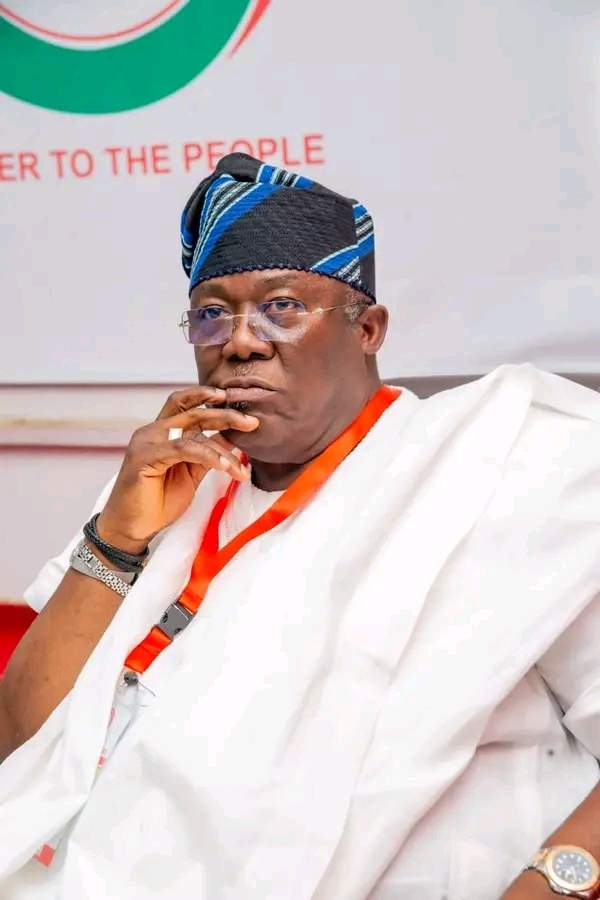
The Lagos State PDP governorship candidate, Engr. Adedeji Doherty, has criticised Governor Babajide Sanwo-Olu over the reported shortage of about 40,000 doctors and nurses in the state, describing the situation as evidence of a deepening crisis in the health sector.
Doherty said the governor’s disclosure that Lagos, with a population of more than 25 million, has only about 7,000 doctors amounted to an admission of failure after seven years of APC administration in the state.
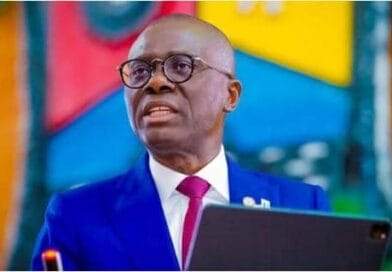
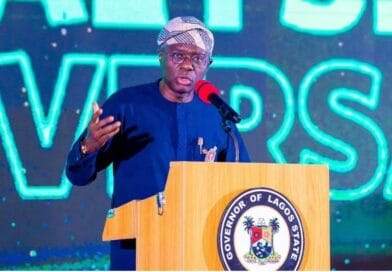
Sanwo-Olu reportedly made the disclosure on Thursday at the second Eko Health Convention held at the Oriental Hotel, Victoria Island. He said the shortage had placed enormous pressure on medical personnel, with each doctor effectively carrying the workload of about 10 people.
The governor also said the health sector required an additional N100 billion above its current budgetary allocation to adequately meet the needs of the state’s growing population. He further noted that donor funding for disease control, which had supported Lagos for about two decades, was declining.
Reacting, Doherty described the situation as alarming, saying the shortage could have serious consequences for patients and healthcare delivery across the state.
“This admission should worry every single Lagosian. After seven years, the governor is telling us that we are short of 40,000 doctors and nurses. That is not a plan. That is a crisis,” he said.
The PDP candidate argued that expanding health insurance coverage without adequate manpower, equipment and funding would not solve the problems confronting the sector.
He specifically questioned the significance of the reported enrolment of 1.5 million residents in the Ilera Eko health insurance scheme if there were insufficient doctors and facilities to provide care.
Doherty said a PDP administration would embark on aggressive recruitment and retention of medical personnel while improving their welfare through better remuneration, housing and car allowances.
He also promised scholarships for medical students and the establishment of a University Teaching Hospital within the university system to train more doctors and build Lagos’ medical workforce.
According to him, the proposed administration would also invest in continuous training and retraining of healthcare workers through partnerships with medical experts in advanced countries.
Doherty further pledged to introduce technology-driven healthcare, including robotic operating theatres, artificial intelligence for diagnosis and medical imaging, as well as an integrated digital health-record system that would allow patients’ medical information to be accessed across healthcare facilities.
He also promised measures to strengthen private healthcare providers, who he said play a critical role in meeting Lagos’ huge healthcare needs.
Among the proposed measures are a 50 per cent reduction in taxes payable by private hospitals and possible electricity subsidies to reduce their operating costs.
Doherty said the savings would enable private healthcare providers to employ more doctors, improve workers’ welfare and acquire modern medical equipment.
“We cannot talk about healthcare in Lagos without talking about private hospitals. They are essential workers in this sector. If we reduce their cost of power and taxation, they will have more resources to hire doctors, buy equipment and take better care of patients,” he said.
He maintained that Lagos, as one of Africa’s largest economies and most populous urban centres, required a healthcare system capable of meeting the needs of its rapidly growing population.
“Lagos deserves hospitals that work, doctors that are well paid and well trained, and a health system that saves lives instead of press conferences that announce death,” Doherty said.
The PDP candidate urged Lagosians to demand greater accountability and long-term planning in the health sector, arguing that the state must move beyond announcing challenges to implementing sustainable solutions.