Sanwo-Olu Calls for Tax Agency Autonomy to Boost State Revenues
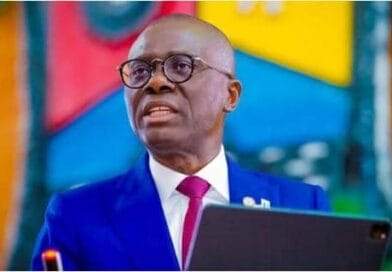
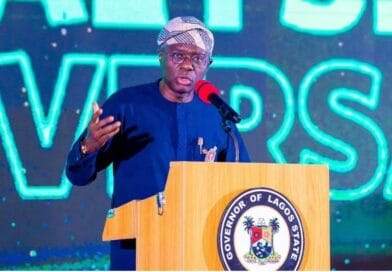
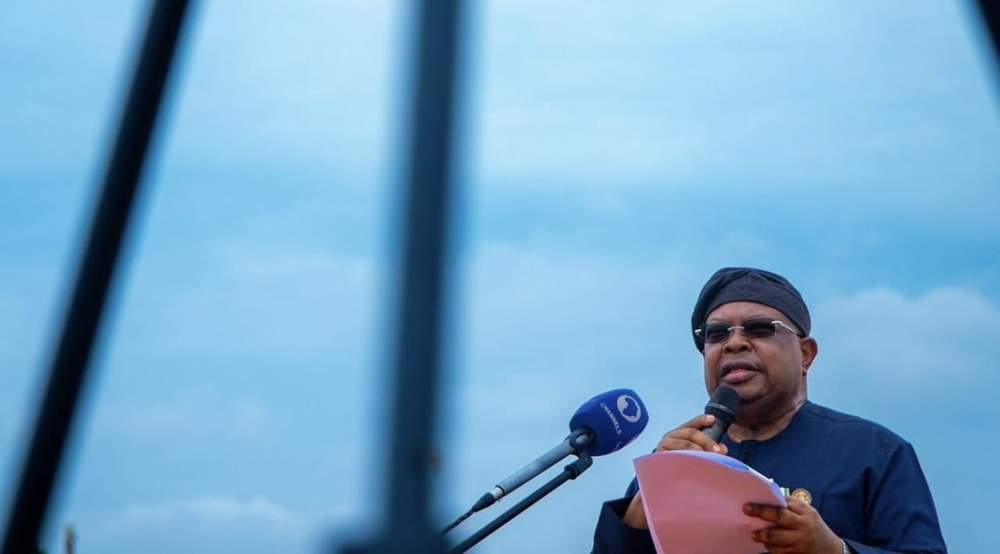
Lagos State Governor, Babajide Sanwo-Olu, has called on governors across Nigeria to grant greater autonomy and operational freedom to State Internal Revenue Services in order to boost Internally Generated Revenue (IGR) and accelerate development at the sub-national level.
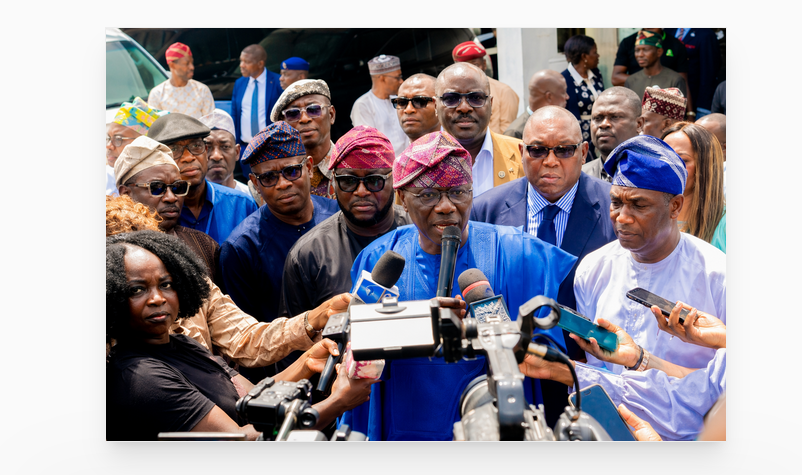
He made the appeal on Wednesday while receiving members of the Joint Revenue Board at Lagos House, Marina, where he officially declared open the 159th meeting of the Board.
Sanwo-Olu stressed that revenue agencies perform best when allowed to operate independently, with clear mandates and full institutional support. According to him, such autonomy strengthens taxpayers’ confidence and improves compliance, ultimately leading to better revenue outcomes.
“I will continue to encourage my brother governors to understand that only when you give revenue chairmen the space, independence, and tenure security they need, can you fully benefit from their expertise,” he said. “That confidence also reflects on taxpayers and improves overall compliance.”
He reaffirmed Lagos State’s commitment to Nigeria’s evolving tax reform framework and expressed willingness to share best practices with other states. Sanwo-Olu also highlighted ongoing collaboration between Lagos and the Joint Revenue Board to strengthen national revenue systems.
The governor noted that Lagos has deliberately invested in digital tax systems, expanded its tax base, and built trust with residents, resulting in significant revenue growth. He revealed that the state generated ₦1.3 trillion in IGR in 2024, with over 60 per cent now funding the state budget.
In his words, “Lagos is your partner in this reform journey. We are open to collaboration that strengthens data sharing, system alignment, and compliance across the board.”
He also linked revenue performance to development outcomes under the state’s THEMES+ agenda, pointing to investments in transport infrastructure, education, food security, and urban renewal projects benefiting over 24 million residents.
Earlier, the Chairman of the Joint Revenue Board, Zacch Adedeji, represented by the Executive Secretary, Olusegun Adesokan, praised Lagos for its leadership in tax administration and its consistent support for national revenue reforms.
He noted that Lagos remains Nigeria’s most successful sub-national revenue authority, crediting reforms initiated during the administration of former Governor Bola Ahmed Tinubu for laying the foundation for current achievements. He added that the state’s IGR has grown from less than ₦94 billion years ago to over ₦1.7 trillion annually, reflecting sustained institutional strengthening.
Adedeji also commended Sanwo-Olu’s infrastructure-driven governance, citing projects such as the Ojota–Opebi Link Bridge, the Abijo Agro Food Hub, the Tolu Schools regeneration project in Ajegunle, and ongoing rail development as evidence of effective use of public revenue.
Also speaking, Chairman of the Lagos State Internal Revenue Service (LIRS), Ayodele Subair, described the Joint Revenue Board as central to strengthening Nigeria’s tax ecosystem. He praised the Lagos State Government for continuous investment in staff welfare, infrastructure, and tools that enhance efficiency.
Subair assured that LIRS remains committed to delivering a world-class revenue administration system that will further reinforce Lagos’ leadership in fiscal governance.