NRS Chief: Tinubu’s Reforms Prevented Poverty From Doubling
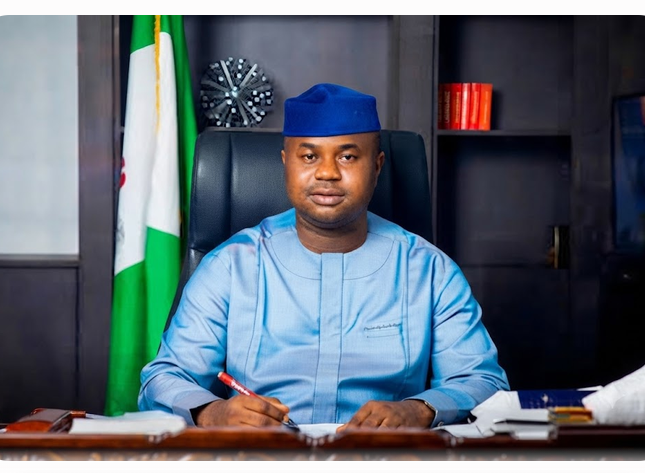
The Chairman of the Nigeria Revenue Service (NRS), Zacch Adedeji, has defended President Bola Tinubu’s economic reforms, saying poverty in Nigeria could have been twice as severe without the measures introduced by the administration.
Adedeji made the claim during an interview with Channels Television, arguing that the reforms should be judged against the economic conditions inherited by the Tinubu administration in 2023, rather than solely on the hardship Nigerians are experiencing today.
According to him, abandoning the reforms would have exposed millions more Nigerians to poverty.
“If we had not done what we were supposed to do, possibly double that population would have gone into poverty,” Adedeji said.
He cited improved government revenue, stronger state finances, increased access to credit and student loans, and developments in the capital market as signs that the reforms are gradually creating a more sustainable economic environment.
Adedeji also highlighted the NRS’s revenue performance, saying the agency collected about ₦15.8 trillion between January and May 2026, compared with ₦10.6 trillion during the same period in 2025. He said the agency was on track to surpass its ₦40 trillion annual revenue target.
Despite the government’s improved fiscal position, concerns remain over the impact of the reforms on household welfare. The International Monetary Fund has acknowledged improvements in Nigeria’s macroeconomic stability but warned that living conditions remain challenging, particularly amid elevated food and energy costs.
The IMF estimated that about 63 per cent of Nigerians were living below the national poverty line and noted that millions faced food insecurity in late 2025.
The reforms—including the removal of the petrol subsidy and changes to the foreign exchange regime—have also attracted investor interest and improved some key economic indicators. However, they have simultaneously increased the cost of living and placed additional pressure on household incomes.
The Tinubu administration has maintained that the reforms are necessary to rebuild public finances, attract investment and put the economy on a sustainable growth path.
Adedeji’s comments are likely to fuel the broader debate over whether the gains from the reforms are translating quickly enough into improved living standards for Nigerians, particularly those most affected by rising food, transport and energy costs.