Nigeria Leads Africa in Renewable Energy Skills
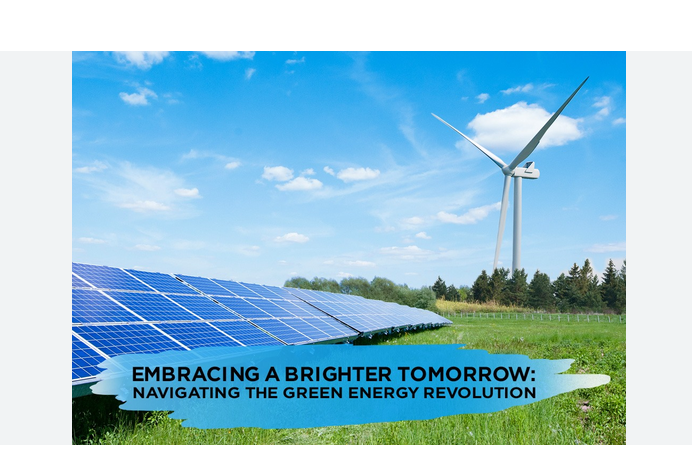
President Bola Ahmed Tinubu says Nigeria is positioning itself at the forefront of Africa’s renewable energy revolution by investing in the skills and technical expertise required to power the continent’s clean-energy future.
The push comes as demand for solar power, mini-grids, battery storage and other alternative energy solutions continues to grow, creating new opportunities for jobs, innovation and entrepreneurship.
Nigeria’s strategy is increasingly focused not only on deploying renewable technologies but also on developing the workforce capable of installing, operating, maintaining and improving them.
A major step in that direction is the National Clean Energy Skills Certification Scheme established through the Council for the Regulation of Engineering in Nigeria (COREN). The initiative is designed to train and certify Nigerians for emerging opportunities across the clean-energy industry.
The Federal Government has also linked renewable-energy skills development to its broader youth employment agenda. In July, Tinubu launched the Power Force, a programme aimed at training 5,000 young Nigerians as smart-meter installers and technicians.
The trainees are expected to receive technical training through the National Power Training Institute of Nigeria, equipping them with industry-recognised skills while creating potential employment opportunities across the electricity value chain.
But the skills drive extends beyond electricity metering. Opportunities are emerging in solar installation, energy auditing, battery technology, mini-grid development, energy efficiency and other off-grid solutions.
Private-sector players are also adding momentum. A joint initiative involving NNPC Exploration and Production Limited and Seplat Energy recently graduated more than 110 young Nigerians from a renewable-energy skills and entrepreneurship programme.
Participants were trained to develop practical solutions, including solar home systems, mini-grid models, solar dryers and biogas technologies, demonstrating how technical training can translate into local innovation.
Meanwhile, All On’s 2026 Off-Grid Energy Challenge is supporting Nigerian clean-energy businesses working on commercially viable solutions for communities and enterprises with limited access to reliable electricity.
For the Federal Government, developing local expertise is critical to ensuring Nigeria becomes more than a consumer of imported renewable technologies. A skilled domestic workforce could help reduce dependence on foreign technical expertise while creating opportunities for Nigerian professionals across the continent.
The strategy also supports the country’s broader Energy Transition Plan, which seeks to expand access to cleaner energy while stimulating investment, economic growth and job creation.
As Africa’s renewable-energy market expands, the demand for qualified technicians, engineers, entrepreneurs and other specialists is expected to rise sharply.
For Nigeria, that growing demand presents an opportunity to turn its large youthful population into a competitive advantage.
The ambition is clear: Nigeria wants to power its own clean-energy transition while building the skilled workforce capable of helping drive Africa’s renewable-energy future.