Dangote Refinery Slashes Petrol Price To ₦1,070/Litre
By Sherif Salau

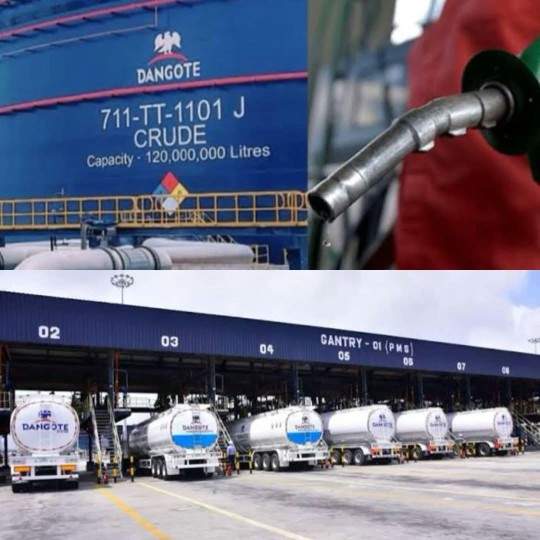
Lagos motorists and consumers are hoping for a breather from rising living costs as Dangote Petroleum Refinery cuts its petrol gantry price to ₦1,070 per litre. The move raises expectations of cheaper fuel, reduced transport fares, and relief for cash-strapped households if the reduction reflects at filling stations.
The latest adjustment, confirmed on Friday, represents a ₦60 reduction from the ₦1,130 per litre rate reported earlier in the week. It continues a series of successive downward reviews by the refinery in recent days, following periods when the gantry price had climbed above ₦1,200 and briefly reached ₦1,300 earlier this month.
Dangote Refinery remains the dominant supplier in Nigeria’s downstream market. Industry observers note that cuts at the gantry level typically create room for marketers and filling stations to review their retail prices, though the extent and timing of any reduction at the pump depend on existing stock, transport costs and individual operator margins.
In a previous statement reflecting the company’s pricing philosophy, President of the Dangote Group, Aliko Dangote, said: “Our goal has always been to make energy affordable and accessible for every Nigerian. By reducing prices and lowering the minimum purchase volume, we are empowering both large and small marketers to participate in the market, ensuring fuel reaches every corner of the country.”
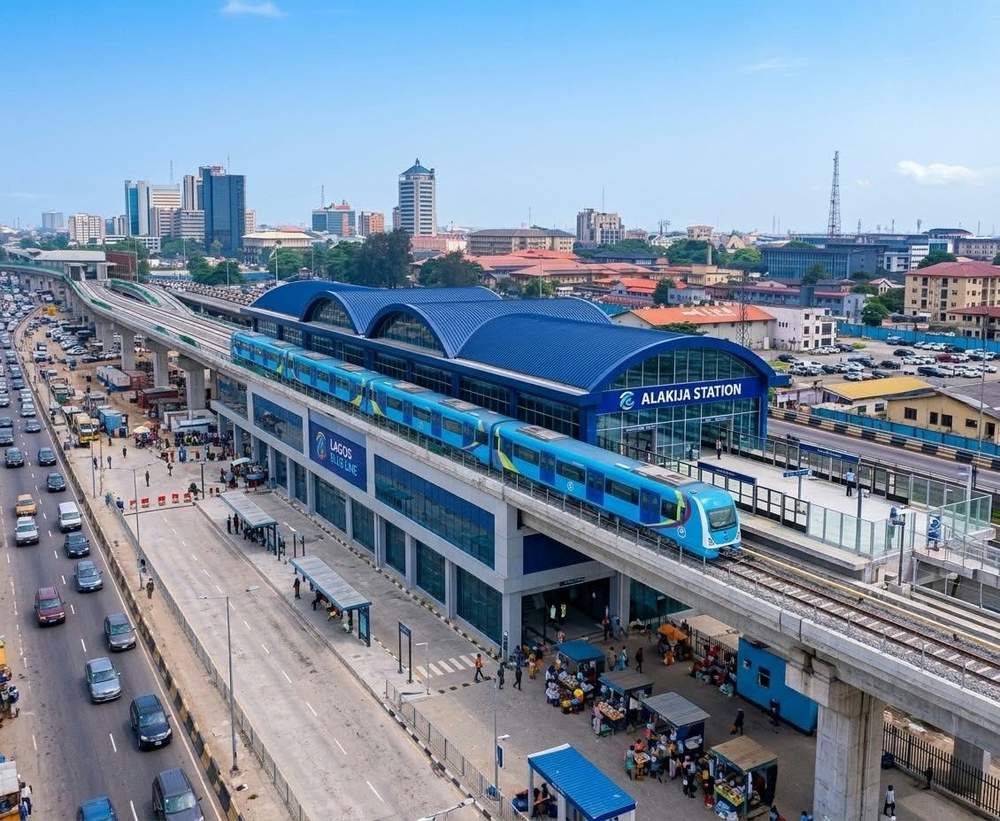
In Lagos, where elevated fuel costs have weighed heavily on household budgets and commercial operations, the latest cut has been received with cautious optimism. Many residents and business owners have spent months contending with high transportation expenses. Any sustained decline in pump prices is expected to ease pressure on daily commuting and operating costs.
Market checks in recent days already showed some retail outlets beginning to adjust their rates downward in response to earlier gantry reductions. Further declines are widely anticipated if the new ₦1,070 price is maintained and passed through the distribution chain.
The price movement coincides with softer international crude oil prices, which have eased production costs. Brent crude has trended lower in recent sessions, providing additional context for the refinery’s successive adjustments.
While the immediate benefit for consumers will depend on how quickly and fully the lower gantry price is reflected at filling stations, the latest cut has reinforced expectations of continued downward pressure on petrol prices. For many Lagos residents, even modest relief remains a significant development after an extended period of elevated fuel costs.