Lagos Power Supply Takes A Hit As Ikeja, Eko DisCos Receive Just 265MW Amid National Grid Crisis
By Sherif Salau
Lagos residents face concerns over worsening electricity supply as power allocation to Ikeja and Eko Electricity Distribution Companies (DisCos) drops to a combined 265 megawatts, amid a nationwide allocation crisis that has seen all 11 DisCos receive just 948MW to serve over 220 million Nigerians.
Load data indicated that Ikeja Electric was allocated 133MW and Eko Electricity 132MW at one point on Friday. The figure is substantially lower than the volumes the two distributors normally receive and coincides with a broader decline in national generation, which has hovered around 3,180MW in recent days. The 11 distribution companies have been forced to ration a total of approximately 2,885MW.
Ikeja Electric has attributed the reduced supply on its network to the limited quantum of power available from the grid. In an official notice, the company stated: “We wish to inform customers across Ikeja Electric network that the reduced hours of electricity supply is due to a shortfall in the amount of power currently allocated to our network from the national grid.”
The utility’s Head of Corporate Communications, Kingsley Okotie, said stakeholders across the power value chain were working to address the constraints. “We passionately appeal to our customers to bear with us at this difficult moment as the inherent constraints and challenges are being addressed head-on by all stakeholders within the power value chain,” he said, adding that the company regretted the inconvenience caused.
Eko Electricity Distribution Company has similarly pointed to limited allocation from the Transmission Company of Nigeria. In responses to customers, the company noted: “Please be informed that the lack of supply is due to limited allocation generated from the TCN, which has affected the nation as a whole and this cut across our network. Do accept our sincere apologies.”
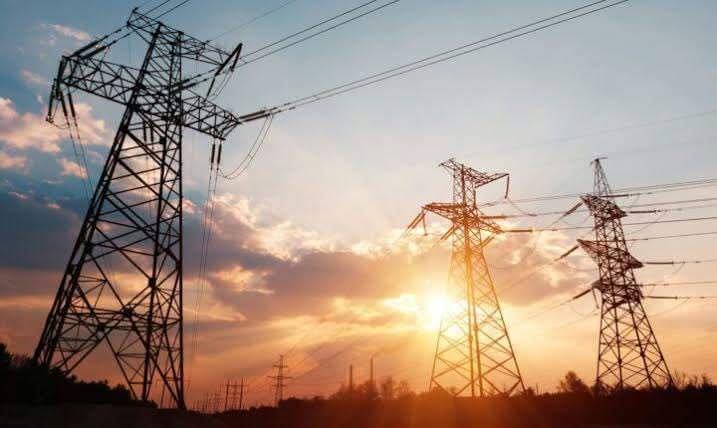
The shortfall forms part of wider system challenges. Generation has been constrained by gas supply shortages to thermal plants, while transmission disturbances have added further pressure. On Friday, the Nigerian Independent System Operator (NISO) reported that four major transmission lines tripped within a short period, resulting in significant load losses in the Lagos Complex and other areas. The operator stressed that the incident did not amount to a full grid collapse and confirmed that the affected lines were later restored.
For consumers in the Ikeja and Eko franchise areas, the practical effect has been longer and more frequent outages. Businesses face rising generator costs, while households contend with disrupted daily activities. Premium Band A customers, who pay higher tariffs in expectation of more reliable service, have expressed particular frustration at the gap between promised and actual supply hours.
Although officials continue to cite ongoing efforts to stabilise generation and transmission, the limited 265MW allocation to Lagos’s two principal distributors underscores the persistent imbalance between demand in the country’s commercial capital and the power currently available on the national grid.