Navy Seizes Drugs, Arrests 25 Stowaways in Lagos
By Emmanuel Daniji
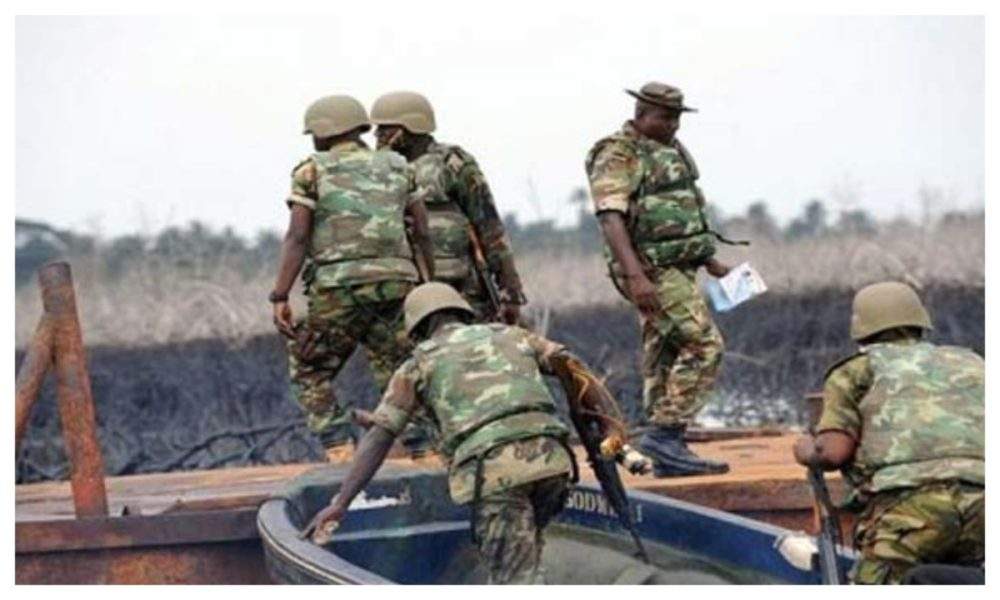
The Nigerian Navy has seized about 1.9 tonnes of cannabis in separate operations across Lagos and its surrounding waters, while arresting 25 people found hiding aboard commercial vessels.
The operations highlight growing security concerns around Lagos waterways, where authorities are working to tackle drug trafficking, smuggling and other criminal activities that threaten residents and maritime businesses.
The Commander of Nigerian Navy Ship (NNS) Beecroft, Commodore Adams Aliu, disclosed the seizures and arrests during a maritime stakeholders’ meeting at the Western Naval Command officers’ mess in Apapa, Lagos.
Aliu explained that the operations were part of ongoing efforts to prevent illegal activities within the Navy’s area of responsibility. He called for stronger cooperation among security agencies, maritime operators, government authorities and host communities.
According to the commander, naval personnel recovered five bags of cannabis weighing 480 kilogrammes around Abule Odo on February 18, 2026. Other illicit substances, including cannabis, tramadol and codeine, were also seized at Idi Araba, Apapa.
In another operation on April 28, officers intercepted two bags of cannabis weighing 192 kilogrammes at Ikare Island. On July 22, naval personnel recovered 11 bags weighing 756 kilogrammes at Wiliki Post, off Alpha Beach.
The seized drugs were handed over to the National Drug Law Enforcement Agency (NDLEA) for further investigation.
Beyond drug trafficking, the Navy also arrested 25 stowaways at different locations, including Lagos Anchorage, Lekki Dangote Terminal and Takwa Bay. The suspects were subsequently transferred to the Nigeria Immigration Service for further action.
Other suspects arrested during the operations were handed over to relevant security agencies, including the Nigeria Police Force, Nigerian Army, Department of State Services and Nigeria Security and Civil Defence Corps.
Aliu said the security situation in the maritime environment was generally calm but warned that continued surveillance and cooperation were necessary to prevent criminal activities from spreading across waterways and neighbouring communities.
He stressed that some maritime offences were connected to activities on land, making community participation important in identifying suspicious movements and reporting potential threats.
The commander urged stakeholders to establish reliable channels for sharing security information, appoint designated security officers and improve communication between maritime operators and security agencies.
At the meeting, the Chairman of Apapa Local Government Area, Senbajo Idowu Abike, also raised concerns about drug trafficking, child abuse, human trafficking and the growing involvement of young people in street gangs.
Although she acknowledged improvements in security compared with previous years, Abike warned that criminal activities continued to threaten residents, particularly schoolchildren.
The latest operations have renewed attention on the need to protect Lagos waterways while addressing the wider security challenges facing communities around the state’s busy maritime corridors.