Lagos Traffic: A Daily Sacrifice
Every weekday before dawn, thousands of Lagos residents begin a race against time, one they often lose before the day has truly begun.
While the city’s traffic jams have become synonymous with life in Nigeria’s commercial capital, their true cost goes far beyond hours spent behind the wheel. They take a toll on family relationships, mental health, productivity and overall quality of life.
For 34-year-old marketing executive Kehinde Akinola, the alarm rings at 4:30 a.m. every weekday. By 5:30 a.m., he is already on a bus from Ikorodu to Victoria Island, hoping to beat the morning rush. Even then, his commute can last more than three hours.
“I leave home before my children wake up,” he says. “When I get back, they’re either asleep or too tired to talk. Some days, I feel like I’m living with strangers.”
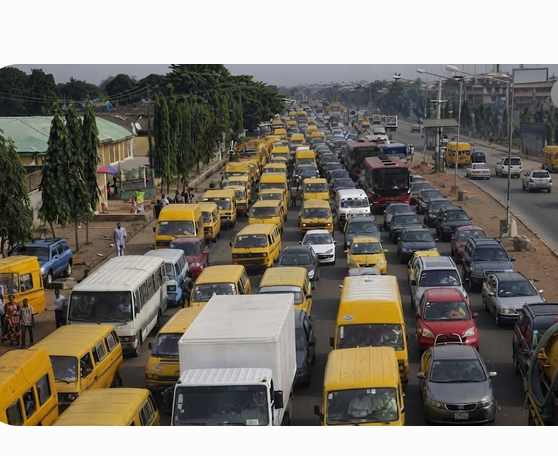
Kehinde’s story reflects the reality of countless Lagosians whose workdays begin long before sunrise and end well after sunset. A commute that should take less than an hour often stretches to three or four, particularly on major routes such as Third Mainland Bridge, Lekki-Epe Expressway, Ikorodu Road and Apapa-Oshodi Expressway.
Lagos remains one of Africa’s fastest-growing cities, with millions relying on the same road network every day. Population growth, road construction, vehicle breakdowns, flooding during the rainy season and limited public transport options continue to fuel congestion across the metropolis.
But beyond the endless queues of cars lies a quieter crisis.
Working parents miss school events, family dinners and bedtime routines. Entrepreneurs lose customers who cancel appointments because of gridlock. Office workers arrive mentally exhausted before the day’s work even begins.
“I spend nearly six hours commuting every day,” says Kehinde. “By the time I get home, I have no energy left—not for my family, not for myself.”
Health experts warn that prolonged exposure to heavy traffic can increase stress levels, contribute to anxiety and elevate the risk of hypertension. Constant uncertainty over travel times also affects workers’ concentration and overall well-being.
Businesses are equally feeling the impact. Employees delayed by traffic reduce productivity, while logistics companies and delivery services contend with rising operating costs due to fuel consumption and longer travel times.
For many small business owners, unreliable transport means fewer customers and lower daily earnings.
The Lagos State Government has intensified efforts to improve urban mobility through initiatives such as the Blue Rail Line, the Red Line rail project, expanded Bus Rapid Transit (BRT) services, road rehabilitation and greater investment in water transportation.
While these projects are expected to improve connectivity over time, many commuters say relief cannot come soon enough.
Despite the daily frustration, millions continue to endure the journey because Lagos remains the country’s economic heartbeat, offering opportunities unavailable elsewhere.
Yet for many residents, the greatest price paid is not measured in fuel costs or transport fares.
It is the birthday parties missed, the family conversations postponed, the hours lost in traffic instead of at home, and the growing exhaustion that has become part of everyday life.
In Lagos, traffic is more than a transportation challenge—it is a human story of resilience, sacrifice and the relentless pursuit of a better future.