Lagos Tasks HR Leaders With Preparing Workforce for AI Era
Lagos State has challenged human resources leaders to take the lead in preparing employees for a workplace being rapidly transformed by artificial intelligence, automation and emerging technologies.
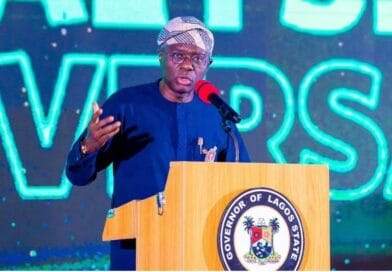
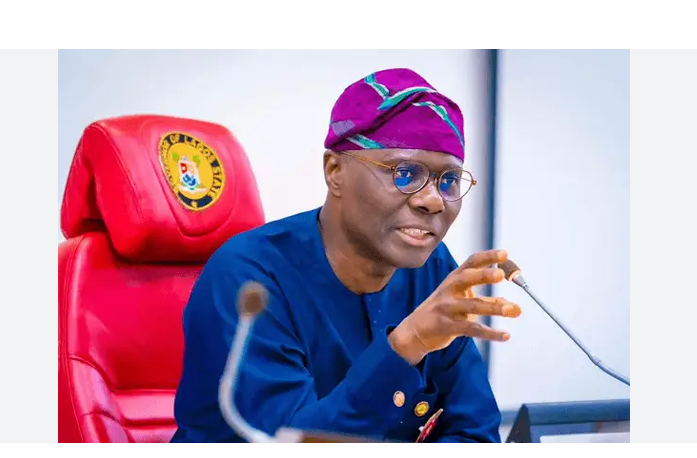
Governor Babajide Sanwo-Olu made the call at the Special Human Resource Forum 2026 in Lagos, urging HR professionals to move beyond traditional administrative functions and become key drivers of workforce transformation.
He said organisations must anticipate the skills that will define the future of work and invest in preparing employees to adapt to changing roles and technologies.
Sanwo-Olu also called for stronger collaboration between businesses and government to build the talent pipeline needed to sustain Lagos’ ambition of remaining a leading technology, innovation and economic hub.
The governor’s position reflects growing concerns over the disruption AI could bring to conventional jobs, particularly in sectors such as banking, telecommunications and logistics, where automation is already reshaping operations and skill requirements.
President and Chairman of the Governing Council of the Chartered Institute of Personnel Management of Nigeria, Ahmed Gobir, cautioned that the success of AI adoption should not be judged simply by how quickly organisations introduce new technologies.
He argued that the bigger question should be whether AI improves lives, creates meaningful opportunities, protects livelihoods and helps close inequality gaps.
Global AI and workforce specialist Erica Farmer pointed to the enormous economic potential of AI, noting projections that the technology could add as much as $1 trillion to Africa’s GDP by 2035. She, however, stressed that unlocking this potential would require sustained investment in training, reskilling and workforce development.
The push for a stronger strategic role for HR is also gaining momentum within Nigeria’s business community. At its 71st Induction Ceremony, the Chartered Institute of Personnel Management urged practitioners to move beyond routine administrative responsibilities and play a greater role in business strategy, organisational culture, talent management and workforce planning.
Meanwhile, preparations for the 2026 Beyond HR Conference in Lagos have also placed AI-driven workplace disruption, automation, talent development and business performance at the centre of discussions about the future of work.
As technology continues to redefine how companies recruit, train and deploy employees, HR professionals are increasingly becoming critical players in determining whether AI becomes a threat to jobs or a catalyst for greater productivity and opportunity.
For Lagos, the priority is clear: harness technological advancement while building a workforce equipped with the skills, adaptability and resilience required to thrive in the AI era.