Lagos Targets 24-Hour Power Supply With Over 6,000MW Requirement
Kehinde Adeleye
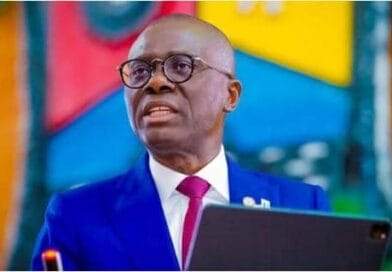
Lagos State requires more than 6,000 megawatts (MW) of electricity to achieve reliable and sustainable power supply and move towards a 24-hour electricity market, Governor Babajide Sanwo-Olu has said.
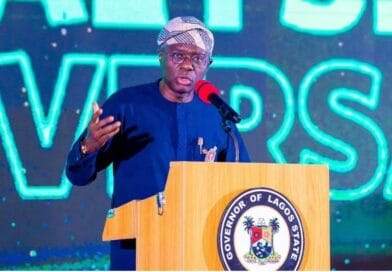
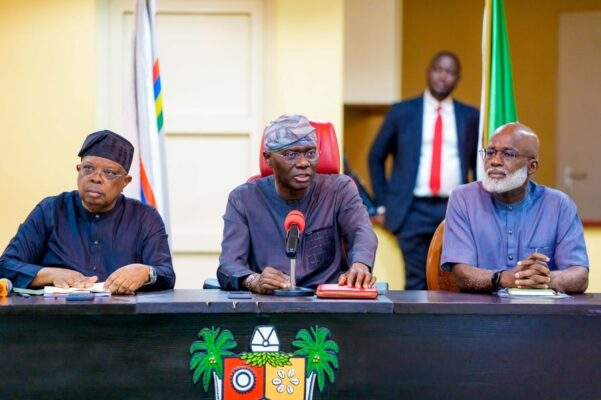
Sanwo-Olu disclosed this on Monday, October 5, after hosting the Ministerial Implementation Retreat on the Clean Lagos Electricity Market (CLEM), where he met with the Minister of Power, Joseph Olasunkanmi Tegbe, and other stakeholders to discuss challenges affecting electricity supply in the state.
“Lagos needs over 6,000MW of power and our goal is to build a more reliable and sustainable electricity market that moves us towards 24-hour power supply,” the governor said.
He said achieving the target would require increased investment in embedded and off-grid power generation, alongside improvements in electricity transmission and distribution.
Sanwo-Olu also stressed the need for a regulatory framework tailored to the peculiar requirements of Lagos and capable of supporting the development of a more functional electricity market.
According to him, the Electricity Act 2023 and the Lagos Electricity Law 2024 have provided the legal framework for the state to address challenges within the sector.
“With the federal Electricity Act 2023 and our Lagos Electricity Law 2024, we now have the legal backing to address grid bottlenecks and secure better gas supply for power generation,” he said.
The governor said the state was working with the Federal Government and other key stakeholders to tackle constraints affecting electricity generation, transmission and distribution while developing a market capable of supporting more reliable power supply.
He acknowledged the contributions of federal agencies and sector stakeholders, including the Transmission Company of Nigeria, Nigerian Electricity Regulatory Commission and Rural Electrification Agency.
Sanwo-Olu said the ultimate measure of the ongoing efforts would be their impact on residents and businesses across Lagos, particularly in terms of access to more reliable and sustainable electricity.