Ijede Fish Hub to Cut Fish Losses, Create Jobs in Ikorodu
For fish traders and fishermen in Ijede and other riverine communities across Ikorodu Constituency II, one of the biggest challenges has always come after the fish has been caught.
Without adequate facilities to preserve and process their catch, large quantities of fish are lost to spoilage. Others are sold quickly, often at lower prices, simply because the fishermen and traders have no proper means of keeping them fresh or accessing better markets.
That reality may soon begin to change.
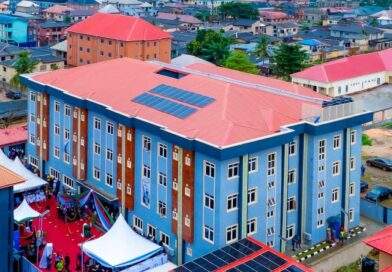
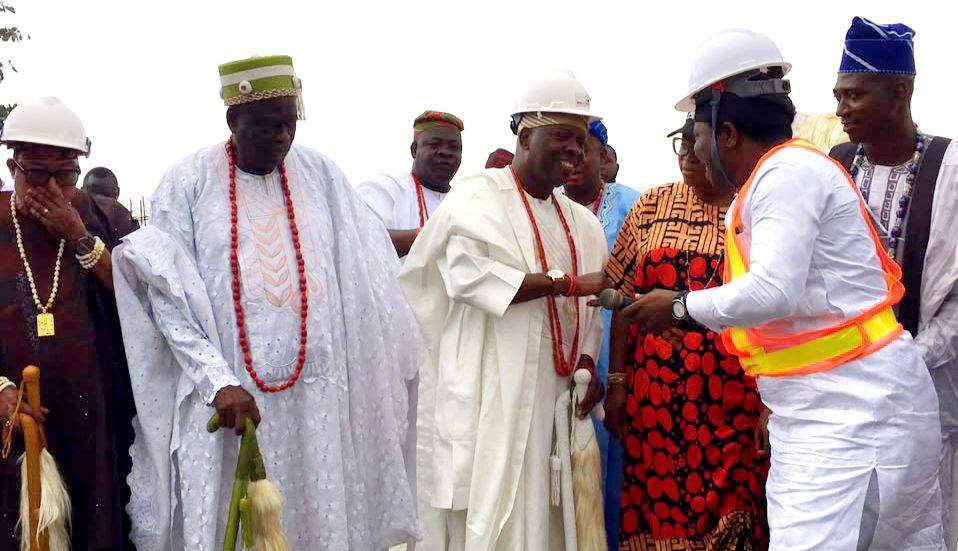
The Member representing Ikorodu Constituency II in the Lagos State House of Assembly, Hon. Aro Moshood Abiodun, has performed the groundbreaking ceremony for the Ijede Fish Hub Building Project, a facility expected to improve fish processing, reduce post-harvest losses and create new economic opportunities for residents.
The project is an initiative of the Lagos State Government through the Ministry of Agriculture and Food Systems.
For the communities around Ijede, Imota, Igbogbo/Baiyeku and other riverine areas, the project could provide the infrastructure needed to turn their natural advantage into a stronger source of income.
Speaking at the ceremony, Hon. Aro described the project as the fulfilment of a long-held vision to harness the economic potential of the constituency’s rivers and lagoons.
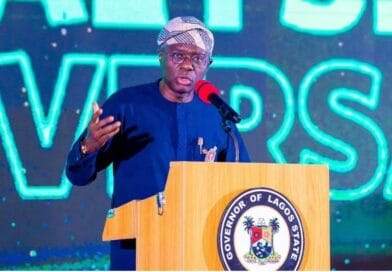
He expressed appreciation to Governor Babajide Sanwo-Olu for approving and funding the project, while also acknowledging the support of the chairmen of Ijede, Imota and Igbogbo/Baiyeku LCDAs.
According to the lawmaker, the area has the waterways and the people with the experience to thrive in aquaculture, but has not fully maximised its potential.
The Fish Hub is expected to provide a modern facility where fish can be processed, preserved and packaged to meet higher standards.
For fish producers, this could mean less waste and better value for their products.
For traders, it could provide access to a facility where fish can be properly preserved.
For consumers, it could eventually mean better-quality fish products.
Hon. Aro said the project was not simply about constructing another government building.
He described it as a strategic investment aimed at positioning Ikorodu Constituency II as one of Nigeria’s major centres for aquaculture and fish processing.
He therefore called for the support of private investors, development partners, financial institutions and other stakeholders to ensure the long-term sustainability of the project.
Representing the Commissioner for Agriculture and Food Systems, Ms Abisola Olusanya, the Permanent Secretary of the ministry, Mr Emmanuel Fatai Audu, said the project was designed to address a major problem affecting artisanal fishing communities.
He disclosed that between 40 and 50 per cent of fish harvested by local fishermen is lost because of inadequate processing and preservation facilities.
Much of the fish that survives the process, he added, is often sold below its potential market value because producers lack access to premium and export markets.
The ministry is collaborating with the Federal Department of Fisheries and the Aquaculture Division of the Federal Ministry of Marine and Blue Economy to develop internationally certified fish processing centres capable of producing export-quality products.
According to Audu, the Ijede Fish Hub is the flagship project of the initiative.
He commended Hon. Aro for facilitating the siting of the project in Ijede and disclosed that the facility could eventually include modern fish production systems, including cage culture, through private-sector investment.
This is expected to ensure a consistent supply of fish for processing.
For the traditional rulers who attended the ceremony, the project represents an opportunity to change the economic fortunes of the area.
The Ranodu of Imota, Oba Ajibade Bakare Agoro, described the project as the first of its kind in the area and a demonstration of purposeful representation.
The Obateru of Egbin Kingdom, Oba Abdulhakeem Adeoriyomi Oyebo; the Olubeshe of Ibeshe, Oba Richard Abayomi Ogunsanya; and Oba Saheed Hassan Adefarasin also praised the initiative and expressed confidence in its potential impact on their communities.
The Chairman of Ijede LCDA, Hon. Motunrayo Gbadebo-Alogba, said the Fish Hub would benefit not only the host community but the entire Ikorodu Constituency II.
She commended Hon. Aro for prioritising the development of Ijede.
Also speaking, the Executive Chairman of Igbogbo/Baiyeku LCDA, Omo’ba Hammed Olalekan Aroyewun, urged young people in the area to begin acquiring skills that could position them to benefit from the jobs and business opportunities expected to emerge from the project.
He praised the lawmaker’s leadership and appealed to the Ministry of Agriculture and Food Systems to ensure that construction was completed within the proposed six-month timeline.
Other stakeholders also described the project as a major intervention for the constituency.
Hon. Sunday Benson called it a transformational project, while Hon. Ade Bolowotan, Director-General of the SMILE Foundation, commended Hon. Aro for attracting development projects to Ikorodu Constituency II.
For the fishermen and traders in the area, however, the success of the project will ultimately be measured by what happens to their businesses after the facility becomes operational.
Alhaji Fahm of the Apex Council described the Fish Hub as a major boost for fish farming and a potential solution to the problem of fish spoilage.
Alhaja Mariam Olubi said the facility would provide fish traders with a modern place to process and preserve their products, while Hon. Wasiu Agoro expressed optimism that improved preservation infrastructure would significantly reduce losses.
The Chairman of the Community Development Committee in Ijede LCDA, Alhaja Kehinde Fesomu, described the project as a legacy development that could benefit generations of residents.
Project Supervisor, Engr. Bello Olalekan, assured residents that the contractor was committed to completing the project within six months.
He also appealed for the cooperation of the host community during the construction period.
When completed, the Ijede Fish Hub is expected to create opportunities not only in fish farming and processing but also in transportation, packaging, storage, marketing and other areas connected to the fisheries value chain.
For a community surrounded by waterways, the project is an attempt to ensure that the water is no longer just part of the landscape.
It could become part of the economy.
And if the six-month construction timeline is met and the facility is properly managed, the Ijede Fish Hub could give fishermen and fish traders something they have long needed: a better chance to make more from what they already know how to do.