From Afrobeats to Food: Lagos Wants Tourists to Experience the Real Lagos
Kehinde Adeleye
The Lagos State Government is looking beyond the city’s famous landmarks as it moves to package the everyday culture, food, creativity and community experiences of Lagos for tourists from around the world.
From the sounds of Afrobeats and the energy of its markets to local food, fashion, art and neighbourhood experiences, the state believes there is far more to Lagos tourism than the attractions already familiar to visitors.
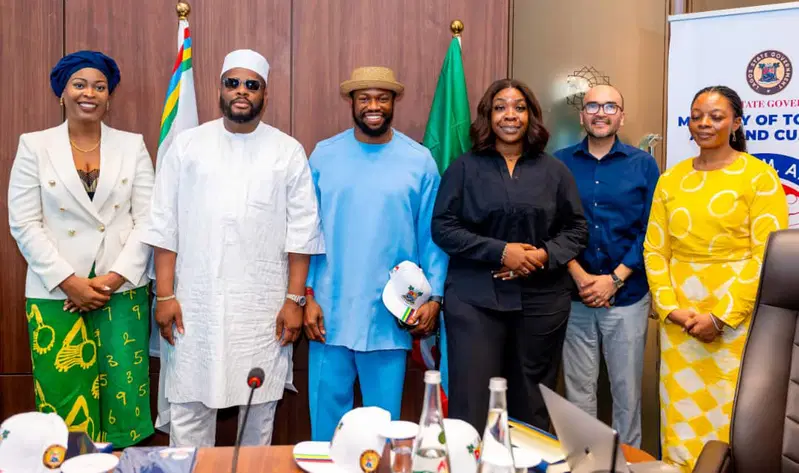
The idea took centre stage at a stakeholder meeting tagged ‘Experience The Best of Lagos’, where the state brought together representatives of local governments and grassroots communities to discuss how lesser known attractions could be turned into experiences worth travelling for.
The meeting, held in the Victoria Island area, also comes as Lagos prepares for the 2026 ember season, traditionally one of the busiest periods for tourism and entertainment in the state.
The Special Adviser to the Governor on Tourism, Arts and Culture, Idris Aregbe, said the state’s biggest tourism assets may sometimes be hiding in plain sight.
With 20 local governments and 37 Local Council Development Areas, he said Lagos has a vast network of communities where unique stories, traditions, locations and experiences can be discovered.
According to Aregbe, what may look ordinary to someone who has lived in Lagos all their life could be a completely new and exciting experience for a visitor.
He therefore urged local councils and communities to identify places, traditions and experiences that can be developed and presented to visitors in ways that preserve their identity while creating economic opportunities for residents.
For Lagos, the goal is not simply to bring tourists into the state but to give them reasons to stay longer, spend more and return.
“We need to make the 2026 ember season the beginning of a massive turnaround in the country, particularly Lagos tourism,” Aregbe said.
He added that visitors should leave with experiences memorable enough to make Lagos a destination they would want to return to.
Canada’s Deputy High Commissioner to Nigeria, Carlos Rojas Arbulú, supported the initiative, saying Lagos already possesses the raw material for a thriving international tourism industry.
Speaking from his own experience of living in Lagos for 2 years, he described his experience of the city and Nigeria as “transformational.”
The envoy said Lagosians often overlook the very things that could fascinate visitors because they have become part of everyday life.
“It’s understanding that you hold value; you have to find a way to package it in a way that speaks to that international visitor,” he said.
For Rojas Arbulú, the opportunity goes beyond physical tourist sites. He said Lagos also has a powerful cultural story to tell through its music, food, fashion, entrepreneurship and creative industries.
He pointed to Afrobeats, Nigerian cuisine and fashion as examples of cultural experiences that can connect international visitors emotionally to Lagos.
The envoy also stressed the importance of storytelling, arguing that Nigeria’s global image has often been shaped by negative stories while the country’s creativity, enterprise and cultural richness receive less attention.
“But if we speak about the amazing entrepreneurship of this country and the city, we speak about Afrobeats, about the food, about the fashion, about the things that can connect you emotionally to an experience, then we’re telling a different narrative,” he said.
He described Lagos as “a whole world to be discovered” and said better organisation and presentation could make many of the city’s existing experiences commercially attractive to international visitors.
He also expressed his willingness to encourage more Canadians to see Nigeria beyond familiar stereotypes, while noting that stronger links between Lagos and Toronto could create opportunities in tourism, investment and other areas.
The push therefore places Lagos’ culture at the heart of its tourism ambitions.
Rather than simply asking visitors to see Lagos, the state wants them to experience it through the people, stories, food, music, creativity and communities that give the city its distinctive character.