Francis Duru Explains Why Yoruba Actors Dominate Nollywood Despite Igbo Influence
Kehinde Adeleye
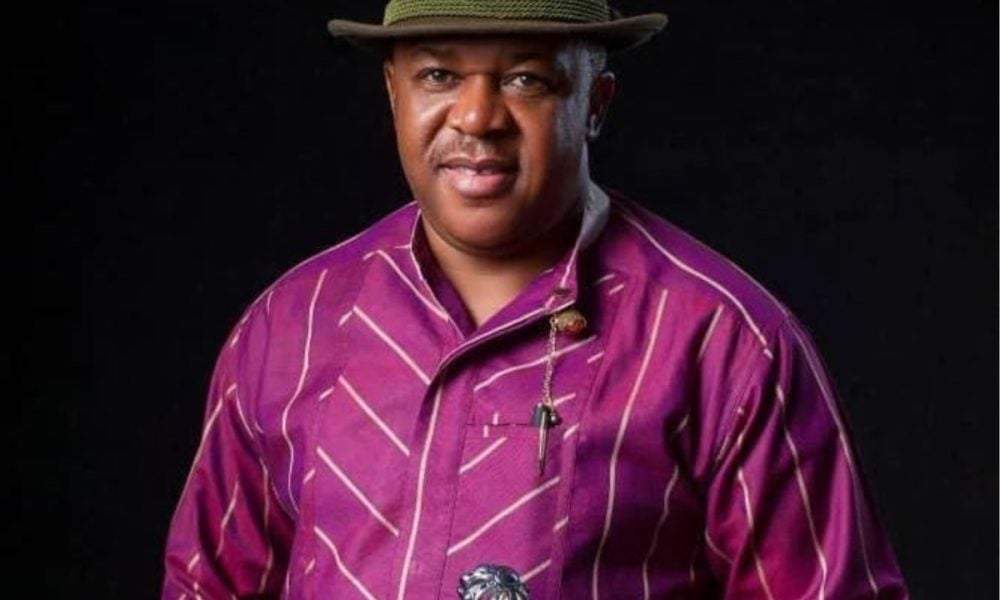
Veteran Nollywood actor, Francis Duru, has explained why he believes people of Yoruba extraction currently dominate Nollywood despite what he described as the significant contribution of Igbos to the industry’s early growth.
Duru acknowledged the role of Yoruba pioneers such as Herbert Ogunde in Nigeria’s early film industry but argued that the modern Nollywood era gained momentum in the 1990s and early 2000s following the rise of home video.
According to him, Igbos played a major role in the development of the home video industry but later lost significant ground to Yoruba filmmakers because of differences in organisation and support for their own.
“The Yorubas epitomise the saying, ‘Charity begins at home.’ We need to learn from them. If you don’t protect and project your own, who will do it?” Duru said.
The actor argued that Yoruba filmmakers had successfully created opportunities for themselves by supporting stories and talents connected to their heritage.
“We [Igbos] created Nollywood, but if you go to Netflix today, you hardly see one movie that speaks of Igbo heritage. But the Yorubas, on the other hand, created opportunities for themselves and utilised them,” he said.
Duru attributed what he described as the failure of some Igbos to build a stronger presence in the industry to an individualistic approach.
“Igbos failed to learn because of their individualistic mentality. You think you are the big man, so you are self-centred. But you forget that a time will come when you need to be expansive,” he said.
He urged Igbo filmmakers and businesspeople to be more proactive in identifying emerging opportunities within the entertainment industry.
According to him, the success of Yoruba filmmakers demonstrates the importance of collective investment and support for indigenous talent and stories.
“You need to be proactive and ask yourself, ‘There is a new market space; why am I not there?’” he said.
Duru also questioned why more films had not been produced about prominent Igbo personalities and historical figures, despite the abundance of influential figures and writers from the region.
“When was the last time you saw the epic of one of these great men?” he asked.
He further criticised what he described as the growing involvement of filmmakers from outside the South East in telling Igbo stories, citing the movie Ahamefuna as an example.
“We have great writers who are now writing for the Yorubas. You even see the Yorubas crossing over to write Igbo stories like ‘Ahamefuna’ and making a mess of who we are,” he said.