FEC Backs ₦215bn CNG, $900m Farm Investment
The Federal Executive Council (FEC) has approved a fresh wave of financing aimed at strengthening Nigeria’s transport and agricultural sectors.
It cleared ₦215 billion for the expansion of the Presidential Compressed Natural Gas (CNG) Initiative and $900 million to boost agricultural development across the country.
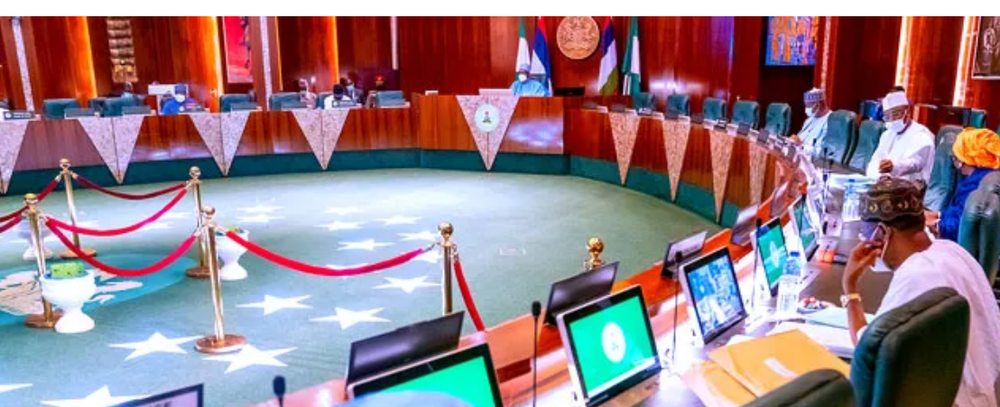
The approvals were announced by the Minister of Finance and Coordinating Minister of the Economy, Taiwo Oyedele, following the council meeting chaired by President Bola Tinubu at the Presidential Villa in Abuja. According to the minister, the funding forms part of a broader package of strategic investments designed to stimulate economic growth, lower transportation costs and improve food security.
Oyedele explained that the ₦215 billion allocation will complete ongoing investments under the Presidential CNG Initiative, including the procurement of CNG-powered buses, electric vehicles, tricycles and the expansion of vehicle conversion centres nationwide. The initiative is expected to provide Nigerians with more affordable transport alternatives while reducing dependence on petrol-powered vehicles.
The minister also disclosed that FEC approved financing arrangements worth $900 million for agriculture. The package will support the development of Special Agro-Industrial Processing Zones (SAPZ), strengthen agricultural value chains and fund rural technical and vocational training programmes aimed at increasing productivity, improving food processing and creating jobs in rural communities.
Beyond transport and agriculture, the council endorsed several other major financing packages. These include $160 million for solar energy projects in Niger State, with the Islamic Development Bank providing $150 million and the state government contributing $10 million in counterpart funding. FEC also approved $1.2 billion for the second section of the Sokoto–Badagry Super Highway to improve connectivity and support economic activities across multiple states.
In a further boost to business development, the council approved an additional €200 million and $500 million to be channelled through the Development Bank of Nigeria to improve access to affordable financing for micro, small and medium-sized enterprises (MSMEs), a move expected to enhance entrepreneurship, job creation and private sector growth.
Oyedele said the approvals reflect the Tinubu administration’s commitment to investing in critical sectors that can drive long-term economic transformation, improve infrastructure, expand access to clean energy and support sustainable development across the country.