BOI Focuses on Power, Factories as Businesses Battle Rising Costs
For a Nigerian manufacturer, the cost of keeping a factory running can sometimes be as daunting as finding customers for what it produces.
Unreliable electricity, expensive diesel, costly raw materials and tight access to affordable credit have continued to squeeze businesses and, ultimately, consumers.
The Bank of Industry (BOI) is now putting more of its financial muscle behind the sectors at the heart of those challenges.
Under its 2026 financing strategy, the development finance institution plans to direct 80 per cent of its lending to large enterprises towards priority sectors, including power, manufacturing, agribusiness, pharmaceuticals and digital infrastructure. It will also allocate 35 per cent of its overall funding to micro, small and medium-sized enterprises (MSMEs).
The move comes as businesses across Nigeria continue to contend with the high cost of production and a difficult financing environment. For manufacturers in particular, access to cheaper, longer-term capital can determine whether a company expands production, cuts jobs or simply struggles to remain open.
BOI’s latest approach is therefore less about putting money into businesses generally and more about targeting industries that can unlock wider economic activity.
The bank has identified electricity and power, transport and logistics, manufacturing, agribusiness, pharmaceuticals and digital technology as sectors capable of raising productivity and reducing Nigeria’s dependence on imports.
That emphasis builds on what BOI has already been doing. In 2025, the bank disbursed ₦644.9 billion to businesses across Nigeria, supporting 7,078 enterprises and an estimated 1.68 million jobs, according to its 2025 Development Impact Report.
The financing has already reached some of the pressure points in the economy. BOI says it invested ₦30.6 billion in power infrastructure, while its interventions also supported mini-grid deployment in 100 rural areas, connecting 11,777 new electricity customers. It also financed manufacturing and infrastructure projects while linking tens of thousands of smallholder farmers to processing facilities.
For manufacturers, the significance goes beyond getting a loan.
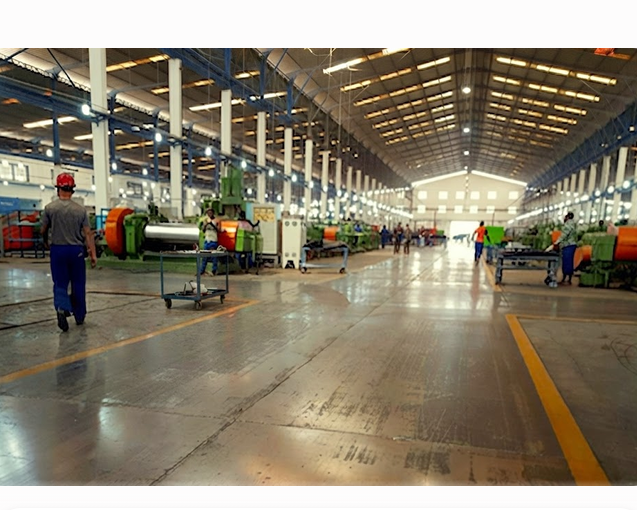
A factory that can secure financing to replace outdated equipment can increase output. A food processor with access to working capital can buy more from local farmers. A power project that expands reliable electricity can help businesses spend less on diesel and devote more resources to production and jobs.
BOI’s large-enterprise programme is specifically designed to provide low-cost, long-term financing aimed at expanding domestic production, improving industrial competitiveness, attracting investment and creating jobs.
The bank is also placing greater emphasis on inclusion. Its 2026 strategy earmarks funding for women-owned businesses, youth entrepreneurs, green projects and digital and ICT initiatives, while MSMEs are expected to receive 35 per cent of total funding.
That could be particularly important for smaller businesses that often lack the collateral or financial history required to secure conventional bank loans.
BOI’s challenge, however, will be ensuring that the money translates into cheaper production, stronger businesses and more sustainable jobs rather than simply larger lending figures.
The bank says its broader 2025–2027 strategy is aimed at scaling its operations and deepening development impact amid rising poverty and difficult economic conditions.
For the entrepreneur paying heavily for electricity, the manufacturer trying to keep workers employed or the consumer facing higher prices in the market, the real test of the new strategy will be felt on the factory floor and in the marketplace.
If the financing reaches the right projects at the right time, BOI’s new push could help turn access to capital into something Nigerians can feel: more production, more jobs, stronger local businesses and, eventually, lower pressure on the cost of doing business.