Lagos Needs 540m Gallons Of Water Daily, LWC Produces Just 7.21m
Kehinde Adeleye
Lagos water demand has reached an estimated 540 million gallons daily, while the Lagos Water Corporation (LWC) produced an average of just 7.21 million gallons per day in 2025, highlighting the gap between the state’s water needs and its public supply capacity.
The figures point to persistent challenges facing the state’s water infrastructure, as households and businesses continue to rely on private boreholes, water vendors and other alternatives to meet their daily needs.
Data on the corporation’s operations indicate that its installed production capacity stands at 210 million gallons per day. However, its average daily output of 7.21 million gallons in 2025 represents approximately 3.4 per cent of that capacity, while remaining far below the estimated demand across Lagos.
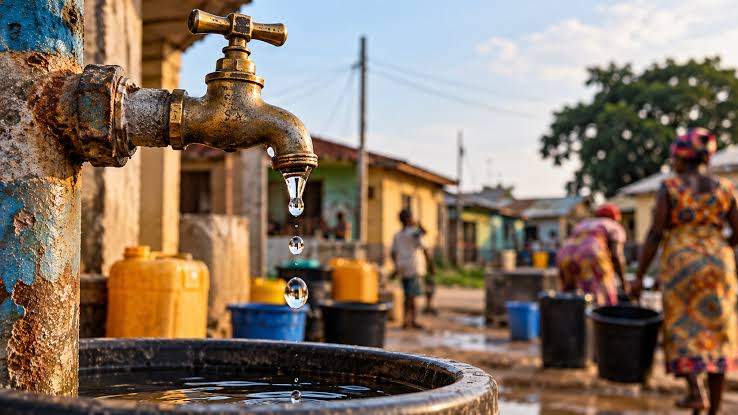
The gap has left many residents dependent on alternative sources, with the cost of accessing water adding to household expenses.
Residents in areas including Iponri, Oworonshoki, Costain, Apapa Road and Ebute Metta have reported relying on alternative water sources because of limited access to regular public supply. Some households spend as much as ₦45,000 monthly on water.
The scale of the challenge is also reflected in the number of people connected to the public water network. The LWC has about 34,424 registered household connections, estimated to serve approximately 206,444 residents. This represents roughly 1.03 per cent of Lagos’ estimated population of 20 million.
The figures suggest that the state’s public water network serves only a small proportion of residents directly, leaving many households to source water independently.
Meanwhile, the Lagos State Government has outlined several interventions aimed at improving water infrastructure and expanding access across the state.
The government’s second-quarter 2026 budget performance report showed spending on projects involving 15 mini and micro waterworks, while expenditure on the Adiyan Phase II water project stood at 4 per cent of its annual budget allocation as of June.
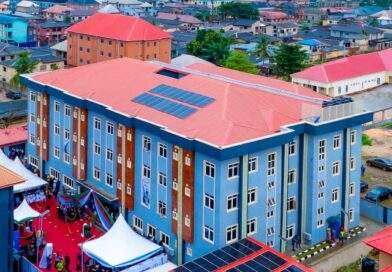
The report also referenced planned upgrades, including the Ojokoro Mini Waterworks and Lagos Island Micro Waterworks, alongside efforts to digitise aspects of water service delivery.
Other plans include the proposed Igbonla water plant, designed for a stated production capacity of 100 million gallons per day, and the rehabilitation of existing facilities.
The government has also stated that full rehabilitation of relevant water infrastructure could improve access for millions of households. However, the extent to which these projects will close the gap between demand and actual supply will depend on implementation, operational performance and the expansion of distribution networks.
With estimated daily demand standing at 540 million gallons and actual production averaging 7.21 million gallons, the figures underscore the scale of investment and operational improvements required to increase public water supply in Lagos.