Fake Drinks, Real Danger: Lagos Counterfeit Alcohol Scare Raises Cancer Concerns
Fake Drinks, Real Danger: Lagos Counterfeit Alcohol Scare Raises Cancer Concerns
By Kunle Awosiyan
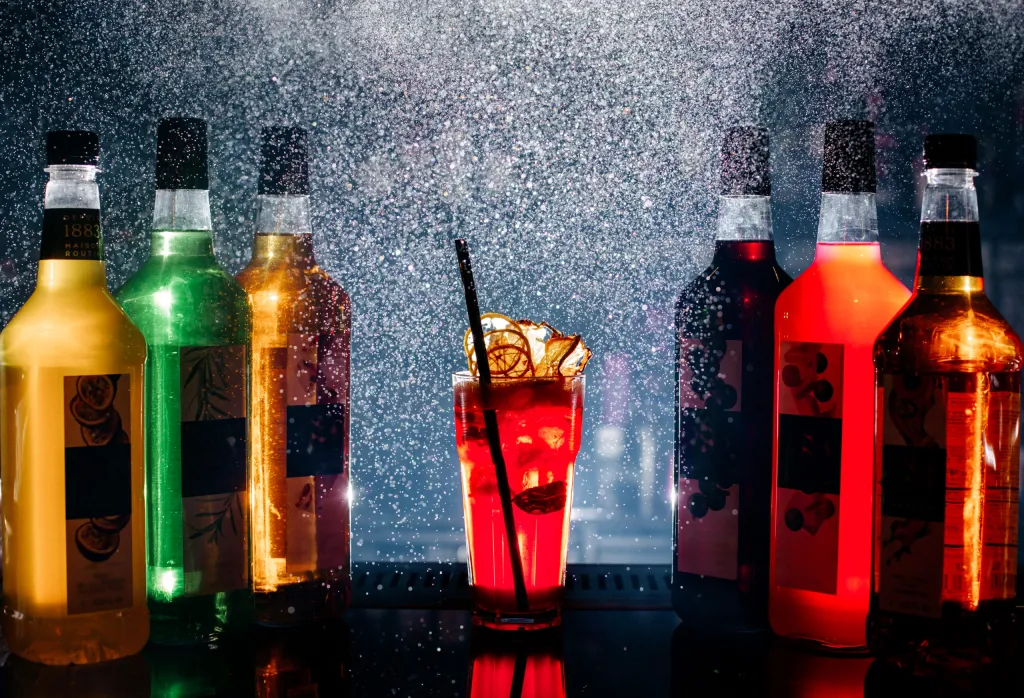
The discovery of counterfeit alcoholic beverages worth more than ₦2 billion at the Lagos International Trade Fair Complex has raised fresh concerns about consumer safety, the proliferation of fake drinks and the potential long-term health consequences of alcohol consumption, including cancer.
The operation by the National Agency for Food and Drug Administration and Control (NAFDAC), which uncovered more than 20 illegal stores at Zamfara Plaza, BBA Trade Fair Complex, along the Badagry Expressway in Ojo, Lagos, exposed an alleged network involved in blending and counterfeiting popular alcoholic beverage brands, revalidating expired and unsafe drinks for resale, and stockpiling banned imported products.
Two suspects were arrested during the operation on Tuesday, October 13, 2026, while the seized products were valued at over ₦2 billion.
Beyond the financial value of the seized products, the discovery raises a more troubling question: what happens when consumers unknowingly drink products whose ingredients, alcohol content, production conditions and safety cannot be guaranteed?
For Lagos residents who buy alcoholic beverages from neighbourhood shops, roadside sellers, bars, restaurants and open markets, the danger extends beyond losing money to counterfeiters. It concerns the possibility of exposing their bodies to unsafe substances and the consequences that may follow.
The cancer connection: What consumers need to know
Although counterfeit drinks may contain different substances depending on how they are produced, the relationship between alcohol consumption and cancer is already well established by medical research.
The World Health Organization (WHO) identifies alcohol as a carcinogen associated with several types of cancer, including cancers of the mouth, throat, voice box, oesophagus, liver, breast, colon and rectum.
This means that the health risk is not limited to fake or adulterated beverages. Even legally produced alcoholic drinks can increase cancer risk because ethanol, the alcohol in these beverages, is metabolised in the body into acetaldehyde, a substance capable of damaging DNA.
The International Agency for Research on Cancer (IARC) classifies alcoholic beverages and alcohol-related acetaldehyde exposure as carcinogenic to humans.
The concern surrounding counterfeit drinks is that consumers may be exposed to additional, unknown hazards on top of the established risks associated with alcohol itself.
Where products have been mixed improperly, produced under unsafe conditions, or relabelled after expiry, consumers cannot reliably determine what they are ingesting simply by looking at the bottle.
However, there is no evidence from the reported Lagos seizure establishing that the confiscated drinks contained specific cancer-causing contaminants. The cancer concern arises from the established risks of alcohol and the uncertainty surrounding the composition and safety of counterfeit products.
From fake labels to potentially dangerous contents
Counterfeiters often seek to exploit the reputation of established beverage brands by making their products resemble genuine ones. Such practices can make it difficult for unsuspecting consumers to distinguish authentic drinks from imitations.
In the Lagos operation, NAFDAC reportedly found suspected counterfeit production, the revalidation of expired and unsafe beverages, and the storage of banned imported products.
These activities raise questions about product traceability, ingredient quality, manufacturing hygiene and the accuracy of information presented to consumers.
One particularly serious concern is the possibility of methanol contamination. Methanol is a toxic industrial alcohol that must not be substituted for beverage-grade ethanol. Exposure can cause severe poisoning, blindness, neurological injury and death.
Although methanol poisoning is an immediate medical emergency rather than the principal established explanation for alcohol-related cancer, its potential presence illustrates why unregulated alcoholic beverages can pose dangers beyond those associated with ordinary drinking.
Other contaminants may also present health risks, depending on the substances involved and the level of exposure. Without laboratory analysis, it would be premature to claim that a particular counterfeit beverage contains a specific toxin or carcinogen.
Why Lagos consumers should be concerned
Lagos is a major commercial centre with a vast network of wholesalers, retailers, bars, restaurants and informal trading outlets. Products entering this network can reach consumers through numerous channels.
The discovery of more than 20 illegal stores in one commercial complex highlights the importance of monitoring not only the production of regulated products but also their storage, distribution and retail sale.
The public health challenge is particularly significant because consumers may purchase alcoholic drinks for personal use, family gatherings, parties, weddings and other social occasions without knowing whether the products are genuine.
An attractive label, familiar brand name or low price does not guarantee authenticity. Equally, an unusually cheap product is a warning sign rather than conclusive proof that it is counterfeit.
Consumers who unknowingly purchase adulterated beverages may have little information about the source of the alcohol, the substances used in production or whether the drink has been stored and handled appropriately.
The implications extend beyond individual consumers. If unsafe beverages enter the supply chain, they can expose multiple people to the same product before authorities identify and remove it from circulation.
A public health issue, not just an enforcement story
The seizure at the Trade Fair Complex should therefore be viewed not only as a regulatory enforcement operation but also as a reminder of the importance of preventing unsafe products from reaching consumers.
NAFDAC’s responsibility extends to identifying illegal production sites, testing suspicious products, tracing distribution networks and ensuring that prohibited or dangerous beverages are removed from circulation.
Investigations must also establish how the products entered the market, where they were distributed and whether additional outlets or suppliers are involved.
Where violations are established, those responsible should face the applicable legal consequences. Effective enforcement requires more than sealing shops; it also requires tracing suppliers, disrupting distribution networks and preventing the same operations from reappearing elsewhere.
Public education is equally important. Consumers need accessible information on how to identify suspicious products, verify registration details where applicable and report suspected counterfeit beverages.
NAFDAC has urged members of the public to report suspicious manufacturing, product revalidation and sales activities through its complaints line:
What consumers can do to protect themselves
Consumers should buy alcoholic beverages from reputable, traceable outlets and avoid products with broken seals, damaged packaging, suspicious labelling, altered expiry dates or unusual changes in colour, smell or appearance.
They should not consume a drink merely because it carries the label of a familiar brand. Suspected counterfeit products should be reported to NAFDAC rather than sampled to determine whether they are genuine.
Anyone who develops symptoms such as blurred vision, severe headache, vomiting, confusion or difficulty breathing after drinking a suspicious beverage should seek emergency medical attention immediately. They should not wait for symptoms to worsen or attempt to treat suspected poisoning at home.
For cancer prevention, reducing alcohol consumption or avoiding it altogether lowers alcohol-related risk. WHO stresses that no level of alcohol consumption is entirely risk-free in relation to cancer, and that the risk generally rises as consumption increases.
Beyond the ₦2 billion seizure
The value of the products confiscated in Lagos is substantial, but the ultimate measure of success will be whether the operation protects consumers and prevents unsafe beverages from returning to the market.
The case also reinforces a wider message: counterfeit drinks are not merely a commercial deception. Depending on their contents and how they are produced, they can create serious and potentially life-threatening public health risks.
For Lagos residents, the cancer question deserves attention, but so does the immediate danger of toxic contamination. The established link between alcohol and cancer makes reducing consumption an important preventive measure, while strict regulation and effective enforcement remain essential to stopping counterfeit products from exposing unsuspecting consumers to additional hazards.
As investigations into the seized beverages continue, laboratory findings and the outcome of the enforcement process will be crucial in determining the precise health risks posed by the products.
Until then, consumers should exercise caution, regulators should pursue the supply chain, and suspected counterfeit alcoholic beverages should be treated as a serious public health concern.