
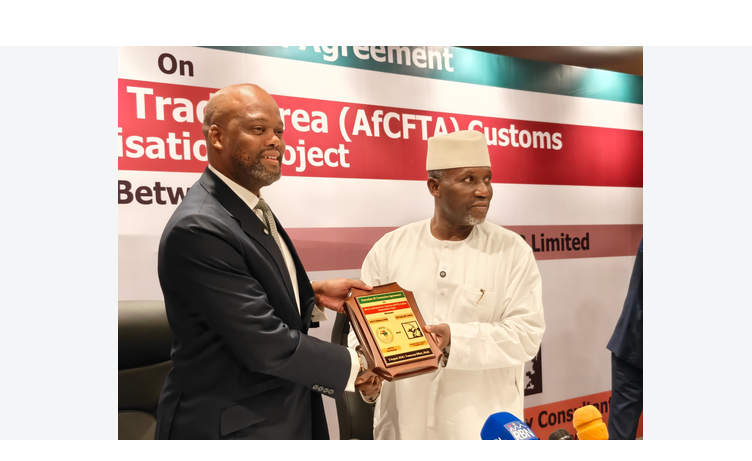
Faster Borders, More Jobs: AfCFTA Seals $3.1bn Deal to Make African Trade Easier
A new $3.1 billion customs modernisation agreement could make it easier for African businesses to move goods across borders, cut delays and unlock fresh opportunities for traders, manufacturers and entrepreneurs across the continent.
The agreement was signed under the African Continental Free Trade Area (AfCFTA) framework to modernise customs systems and strengthen trade facilitation across African borders.
At its heart, the deal is about tackling one of the biggest frustrations facing businesses that trade within Africa: slow and complicated border processes.
For a small trader moving products between neighbouring countries, a manufacturer waiting for raw materials or an exporter trying to reach a new market, hours or days lost at a border can translate into higher costs and lost customers.
The customs modernisation programme is expected to support the digital transformation of customs operations, improve the exchange of trade information and strengthen cooperation among African countries.
What It Could Mean for Everyday Businesses
The bigger ambition is to make intra-African trade faster, more predictable and less expensive.
Better customs systems could help businesses spend less time navigating paperwork and border bottlenecks while giving them greater confidence to sell their products in other African markets.
For entrepreneurs and small businesses, that could mean easier access to customers beyond their home countries.
Manufacturers could also benefit from smoother movement of raw materials and finished products, while transport and logistics companies could see increased demand as regional trade expands.
A Bigger Push for African Businesses
The agreement comes as AfCFTA continues efforts to turn Africa’s large consumer market into a more integrated trading space.
Although the continent has a combined population of more than a billion people, businesses still face significant barriers when moving goods from one African country to another.
Modernising customs is therefore seen as an important step towards making the promise of AfCFTA more practical for businesses on the ground.
The success of the initiative, however, will depend on how effectively participating countries implement the reforms and translate the agreement into simpler processes at actual border crossings.
If that happens, the impact could extend well beyond customs offices.
For the trader trying to reach a new city, the factory looking for cheaper inputs and the young entrepreneur hoping to sell across borders, a faster African border could mean a bigger market—and more room to grow.