TakeItBack Protesters Demand Action on Hardship, Security
… as Demonstrations Hold in Lagos, Abuja
The #TakeItBack Movement on Wednesday staged coordinated protests in Lagos, Abuja and several other parts of the country over the rising cost of living, insecurity, inflation and what organisers described as political repression under the administration of President Bola Ahmed Tinubu.
The demonstrations, organised under the theme “Festival of the Oppressed,” attracted protesters who called on the Federal Government to urgently address worsening economic conditions and security challenges confronting Nigerians.
In Lagos, demonstrators converged on the Maryland area, where they marched peacefully while chanting solidarity songs and slogans, including “Revolution.” Security personnel were deployed to monitor the protest, while tear gas was later used to disperse the crowd after tensions escalated.
The protesters demanded immediate government intervention to rescue victims of banditry and kidnapping across the country, the implementation of a proposed ₦500,000 national minimum wage, the withdrawal of charges against activist Omoyele Sowore, and stronger diplomatic action to address reported xenophobic attacks against Nigerians in South Africa.
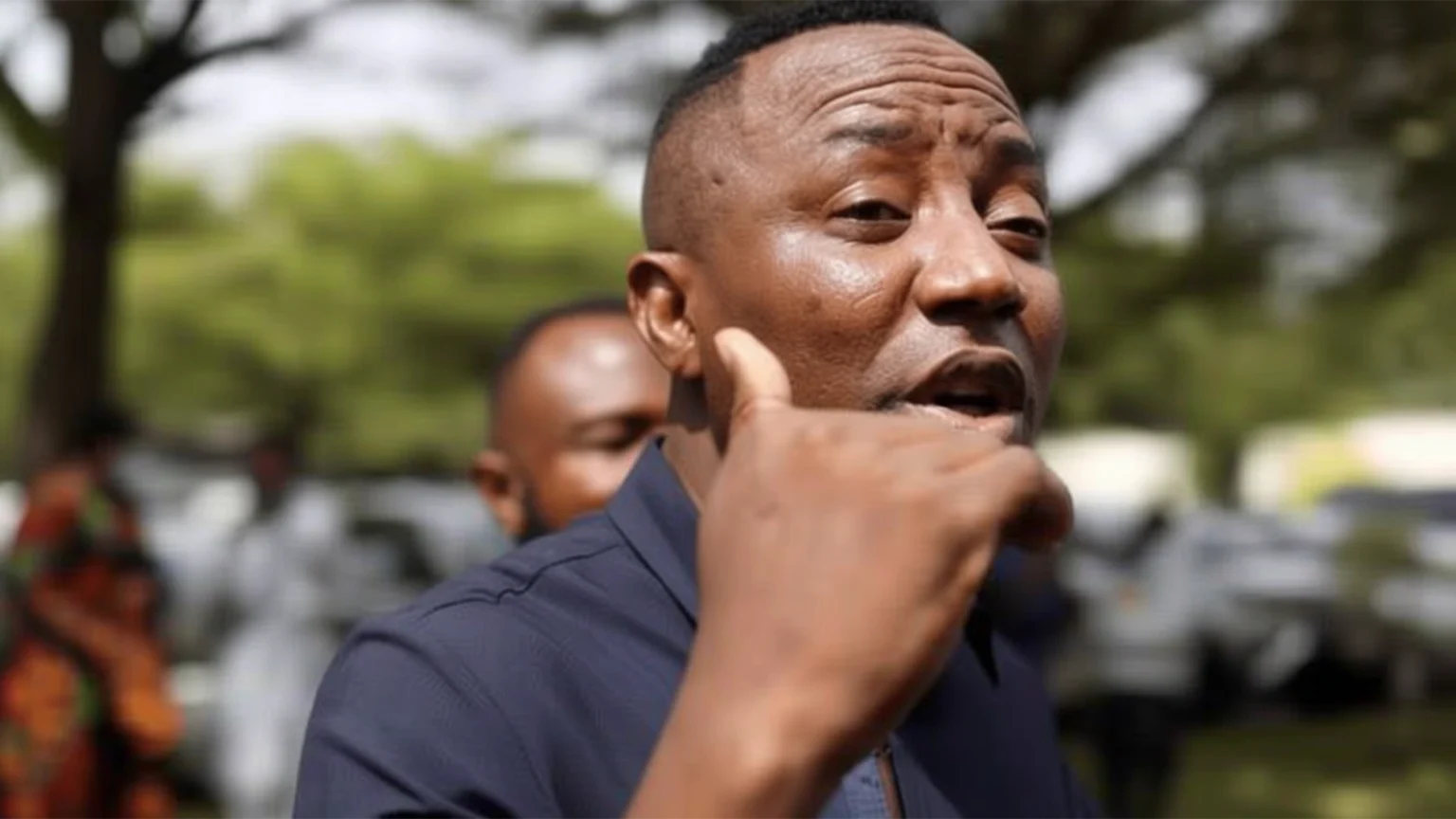
In Abuja, the demonstration was led by activist Omoyele Sowore, who joined scores of young Nigerians carrying placards bearing inscriptions such as “Nigeria is Bleeding,” “Rescue Our People Now,” “Free All Political Prisoners,” “No to Xenophobia,” and “Revolution is the Answer.”
Addressing journalists during the protest, Sowore said the demonstration was intended to draw attention to what he described as the urgent need for fundamental political and economic reforms in the country.
He reiterated the group’s demands, including improved workers’ welfare, the release of detained separatist leader Nnamdi Kanu, the discontinuation of ongoing criminal trials involving activists, and broader reforms aimed at addressing governance and accountability.
The Head of Legal Aid for the #TakeItBack Movement, Bolaji Oluwatosin, also criticised the disruption of the protest by security operatives, describing the action as an infringement on citizens’ constitutional right to peaceful assembly.
Meanwhile, a coalition of civil society organisations held a separate rally in Abuja, where members expressed support for President Tinubu’s administration and urged Nigerians to allow the government to continue implementing its Renewed Hope Agenda.
Speaking during the rally, the National Chairman of Nigeria Citizens Watch for Good Governance, Collins Eshiofeh, commended the Federal Government over its economic reforms, including the approval of a new national minimum wage, and praised the Department of State Services (DSS) for its efforts in tackling insecurity.
The coalition also called on the DSS to investigate and arrest Sowore over what it described as comments capable of threatening national security. The group alleged that the activist’s repeated calls for revolution could undermine national stability, although it did not publicly present evidence to support the claims.
The contrasting demonstrations highlighted the widening divide in public opinion over the country’s economic direction, governance and security situation, as Nigerians continue to express divergent views on the challenges facing the nation and the appropriate path forward.